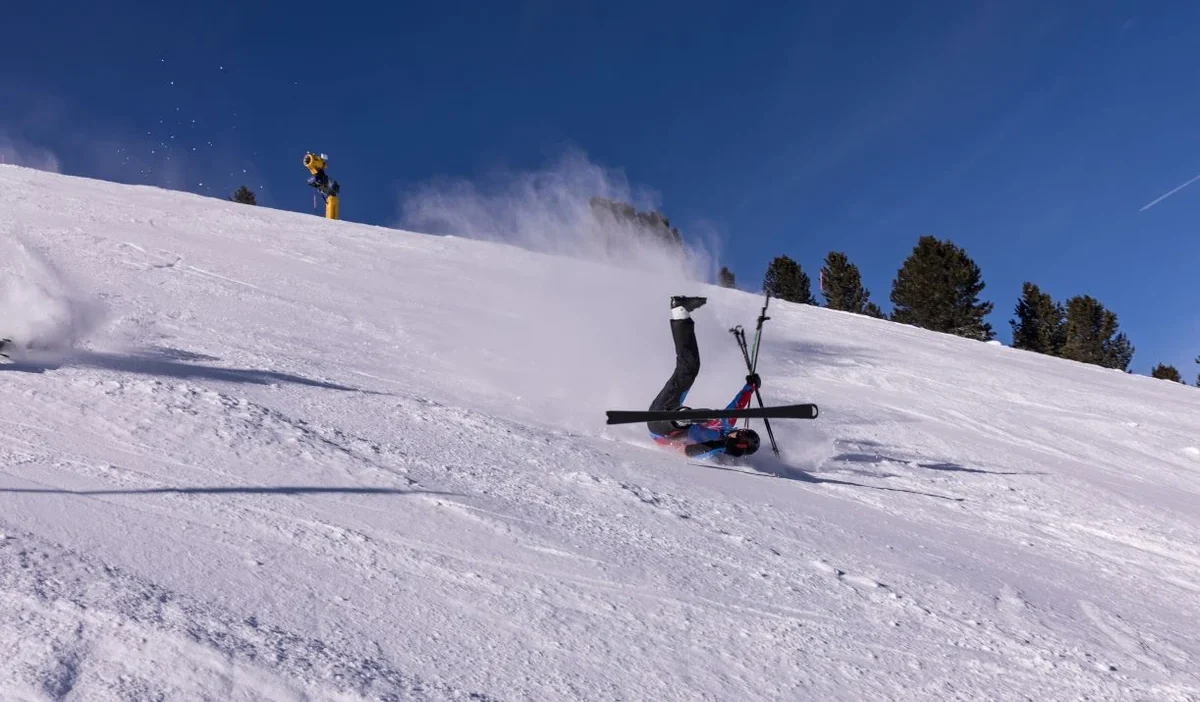
Over 1,200 ski accidents recorded this season as an 11-year-old dies in collision, with authorities warning of legal penalties for safety violations.
Over 1,200 Ski Accidents This Season
Marcin Szczurek, head of the Beskid GOPR rescue group, states that the scale of incidents is unprecedented. The main causes remain excessive speed, lack of preparation, and not following safety rules. He reminds that skiers can face real legal consequences, from fines to criminal liability.
So far this season, over 1,000 incidents have been recorded since January, with more than 1,200 since the ski season began in December. This compares to just over 920 accidents during the entire previous winter season.
Primary Causes of Ski Accidents
The increasing number of accidents is directly related to growing skiing popularity. More people, including many beginners who aren’t technically or physically prepared, are on the slopes.
A key problem is not adjusting speed to skill level and conditions, leading to loss of control and collisions with others or obstacles. Accidents also occur from cutting off other skiers, sudden maneuvers, or going off-trail.
Fatal Incident Highlights Risks
This season saw a tragic fatal incident when an 11-year-old boy died after colliding with another skier, suffering extensive injuries. This case shows that consequences of irresponsible behavior on the slopes can be irreversible.
Equipment and Preparation Issues
Many skiers don’t adequately prepare for the season, which requires not just technical skill but proper physical condition and equipment. This season’s conditions are particularly challenging with hard, icy snow that makes ski control difficult.
Technological changes in ski resorts have made slopes more accessible to those without basic skills, as modern chairlifts and gondolas allow beginners to reach peaks that previously required some proficiency to access.
Safety Rules and Legal Consequences
GOPR rescuers emphasize helmet use, noting about 10% of those helped this season wore no head protection. While helmets are mandatory in Poland only for those under 16, they significantly reduce the risk of serious head injuries.
Safety rules are governed by Polish law from August 18, 2011, on safety and rescue in mountains and organized ski areas. Criminal Code Article 160 § 1 provides for up to 3 years imprisonment for endangering another person’s life or health, while Article 155 covers cases resulting in death, with penalties from 3 months to 5 years.
Skiers must stop after an accident and provide assistance. Leaving the scene can lead to criminal and civil liability, including covering the victim’s medical and rehabilitation costs.
Mountain Trail Safety Concerns
Rescuers have conducted 66 operations on hiking trails since the beginning of the year. The most common reasons for calls include inadequate equipment, improper route planning, and overestimating one’s abilities.
Additional dangers include relying solely on mobile phones, which have faster battery drain in winter conditions, potentially preventing calls for help. Rescuers recommend using the “Ratunek” app for quick location sharing.