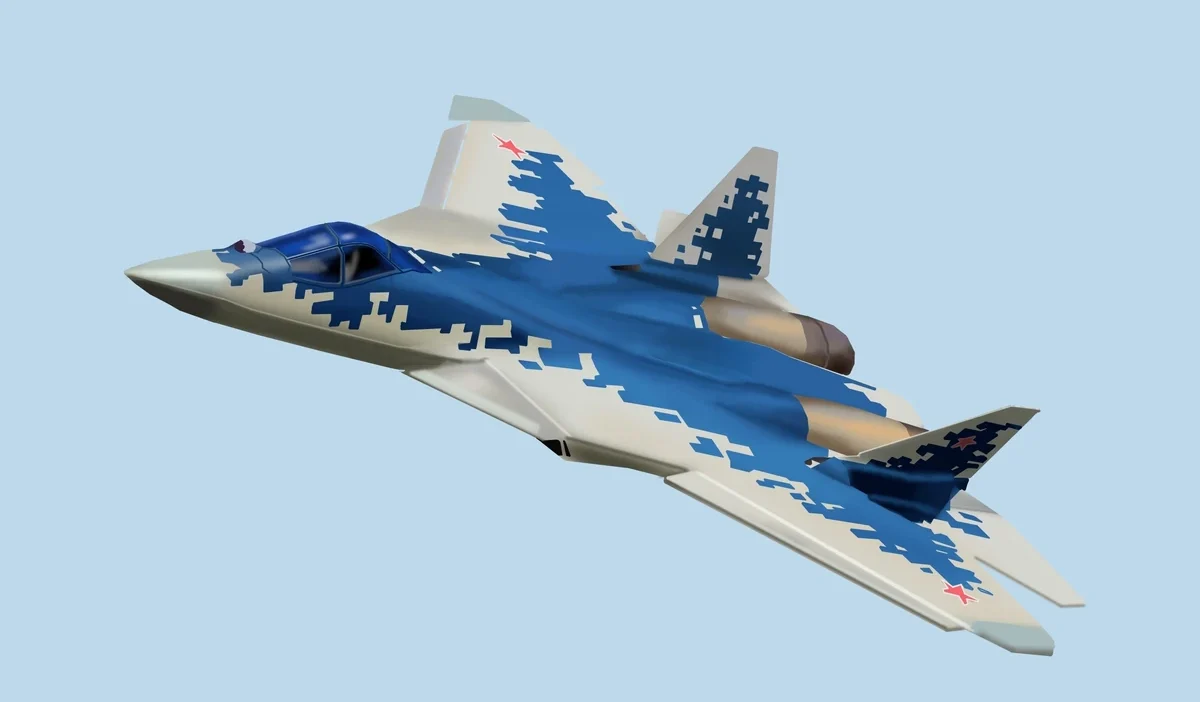
Algeria acquires 12 Russian Su-57 fighters as part of a broader military modernization deal.
Algeria Leverages Russian Technology
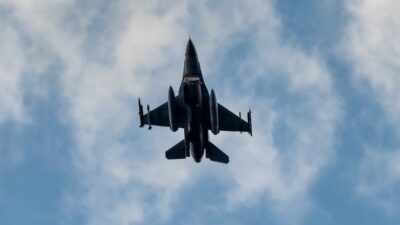
The appearance of Su-57E fighters over Algerian skies effectively confirms months-long speculation about the expansion of Russian aviation technology in North Africa. Despite official diplomatic channels of both countries consistently remaining silent on technology transfers, industry analysts point to this as a logical continuation of events from early 2025, when Algerian state media first mentioned pilot training conducted in Russia.
Key Details of the Transaction
Key information about the scale of the transaction came from leaks of financial documentation from the Rostec corporation from late 2025, as reported by specialized service Defence Blog. According to available data, the order includes 12 Su-57E units and 14 4++ generation Su-35 fighters, suggesting a comprehensive modernization of Algerian air forces based on Russian systems.
The delivery schedule, assuming the transfer of machines will begin at the turn of 2025 and 2026, seems to be implemented according to plan, despite the tense geopolitical situation and the burdens on Russian defense industry resulting from ongoing conflicts.
Contract Raises Expert Concerns
However, this contract raises controversy among experts from Defence Blog, particularly regarding the actual combat capabilities of the machine promoted as a fifth-generation fighter. Russian assurances about advanced stealth characteristics are regularly challenged by Western analysts who point to deficiencies in the refinement of the airframe and radar-absorbent coatings.
Moreover, the decision to export machines of which Russian air forces possess only about 20-25 units raises questions about the Kremlin’s priorities in modernizing its own army at the expense of foreign exchange earnings.
Are Russians Trying to Save Their Defense Industry?
From an industrial perspective, the sale of the Su-57E version to Algeria is perceived as a strategic move aimed at saving the profitability of production lines. Maintaining continuity in factory operations and building a position in external markets is crucial for further funding of the Su-57 project development.
For Russia, export success in North Africa is not only an injection of capital but above all a political tool that allows for the expansion of its sphere of influence in the region and the demonstration of the ability to trade advanced technology despite international sanctions. Moscow’s growing influence in West Africa is particularly painfully felt by France, which is losing economic influence in its former colonies.