Lithuania, Latvia and Estonia have outlined an evacuation strategy that could relocate up to 400,000 residents within 40 kilometres of the Russian‑Belarusian border amid heightened Russian provocations.
Scenarios: from sabotage to mass flight
Renatas Pozela, chief of Lithuania’s fire brigade, said the country is preparing for both a full‑scale attack and hybrid threats. He is part of a team drafting the evacuation strategy.
Officials warn that the darkest possibility is a rapid Russian offensive that could occupy the Baltics in three to seven days. They also consider more subtle destabilisation tactics such as sabotage of infrastructure, communication paralysis, mass migration flows, disinformation campaigns, and attempts to spark riots among Russian‑speaking minorities.
Thousands of shelter sites
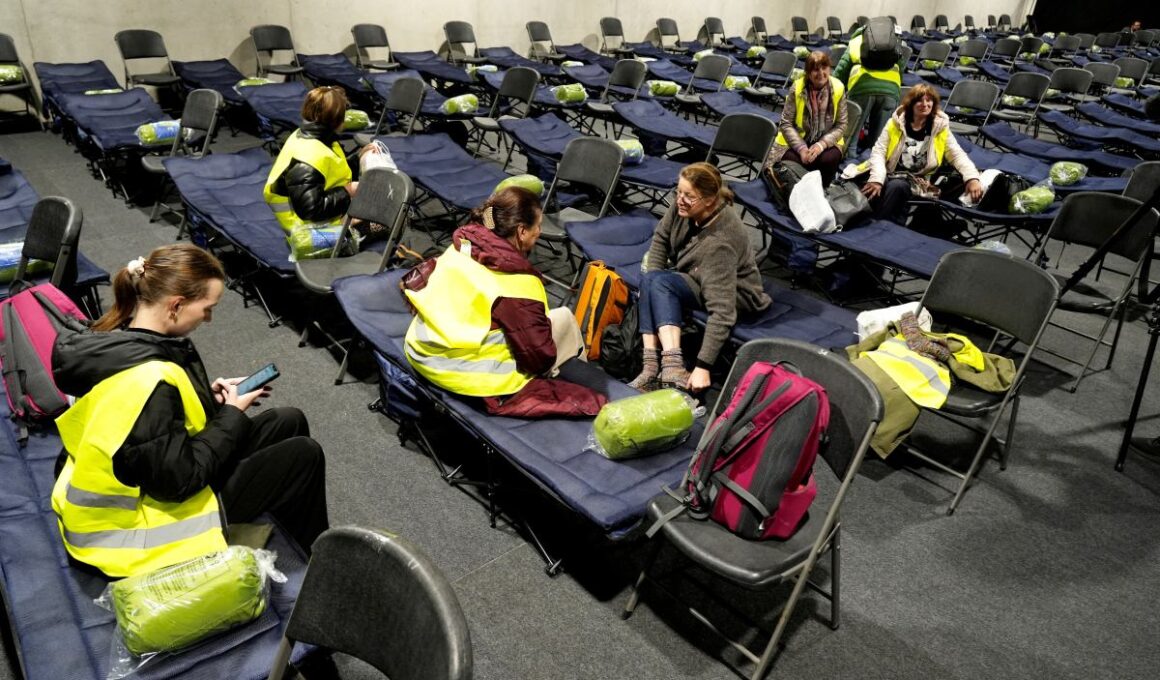
The plan covers about 400,000 residents living within a 40‑kilometre belt from the Russian‑Belarusian frontier. Kunun‑style facilities are being set up in schools, sports halls, churches and universities to host 300,000 evacuees.
Local governments are establishing gathering points, amassing supplies, and arranging buses and trains for transport. Alternative routes for drivers are defined so that main roads remain available for military use. A map of host cities is already online.
Security adviser Kestutis Budrys told the press: “It’s a vital signal for our society that we are prepared. We’ve done our homework.”
Suwałki Gap under special protection
The Baltics emphasise the strategic importance of the Suwałki Gap—a narrow strip that links Lithuania to Poland and separates Belarus from the Kaliningrad enclave. NATO’s key logistics corridor could run through it.
Priorities are set to keep transit into Lithuania open for military movement, rather than for private cars trying to leave the region. Estonian evacuation adviser Ivar Mai noted that securing this route is part of the scenarios being studied.
Who will find shelter?
Estonia plans shelters for roughly one‑tenth of its population, while the rest are expected to stay with relatives. Special preparations target Narva, a 50‑kurt city largely inhabited by Russian speakers.
Latvian emergency services project that, in a conflict, up to one‑third of the country’s residents could be compelled to leave their homes. Ivars Nakurt, deputy head of Riga’s emergency services, stressed the need for readiness at all times.