In 2011 the German government signed a military‑training agreement with Russia, outlining joint development of a combat training centre in Mulino, plans later cancelled after Russia annexed Crimea.
Background
In 2008 Russia won its war in Georgia, exposing severe shortcomings in its armed forces. President Vladimir Putin then decided to overhaul Russia’s military.
Germany was identified as the preferred partner for this comprehensive upgrade. The cooperation was considered unprecedented and was only halted when Russia annexed Crimea in March 2014.
German‑Russian Commission
A specialised “German‑Russian Weapons Commission” was set up to consolidate collaboration, but a retired German general noted such close military cooperation is normally confined to allies and friendly states.
Training Centre Initiative
The original 2011 plan called for eight combat training centres across Russia’s military districts. Mulino in Povolzhie was to host the flagship centre, with a 2020 completion deadline.
Funding was estimated at about one trillion euros. The centre was to include simulators capable of training up to 30,000 soldiers annually and host major Western‑front exercises every four years.
Rheinmetall Joint Venture Proposal
The German defence contractor Rheinmetall was to build the Mulino facility together with a Russian Ministry of Defence services firm. A joint‑venture company was intended to repair and modernise Russian military equipment.
The German government allegedly pushed Rheinmetall to pursue this partnership, arguing that trust built through joint training would foster peace and allow German experts to gauge the real state of Russian forces.
Technology‑Based Trade Concept
The June 2011 Unterlüß accord valued the first training centre at €135 million and was attributed to Russian engineer Valeri Gerasimov, later chief of staff of Russia’s forces in Ukraine.
The agreement promised a state‑of‑the‑art training base for Mulino, it claimed, and included visits by Bundeswehr and Rheinmetall personnel. Russian experts were also to visit Germany, and German soldiers were slated for permanent deployment in Russia.
Proposed Joint Command Structure
According to the magazine, there was a plan to embed a Russian liaison officer within the German Army’s headquarters in Strausberg, alongside U.S., French and British representatives.
The arrangement would allow the Bundeswehr officer to relocate to the Russian General Staff office, gaining access to strategic documents. Russians were initially reluctant but eventually consented, though full implementation did not occur before 2014.
Planned Joint Exercises and Their Cancellation
Neutral Russian‑German drills were intended for Kamenice in 2013, designed to practise “targeting and elimination of armed groups.” Baltic states, Poland and Finland warned that the exercise resembled the Rapallo and Ribbentrop‑Moultow pacts.
Critics noted that German military officials felt difficult to disclose the maneuver in detail. The exercises were postponed to 2014 and then cancelled.
End of Cooperation
Following Crimea’s annexation, Germany halted all military collaboration with Russia, revoking earlier export licences. Rheinmetall, which had resisted German export bans, sought compensation, arguing that the Mulino technology was almost fully produced and ready for delivery.
To date, equipment remains stored in Bremerhaven warehouses.
Current Status of Mulino Facility
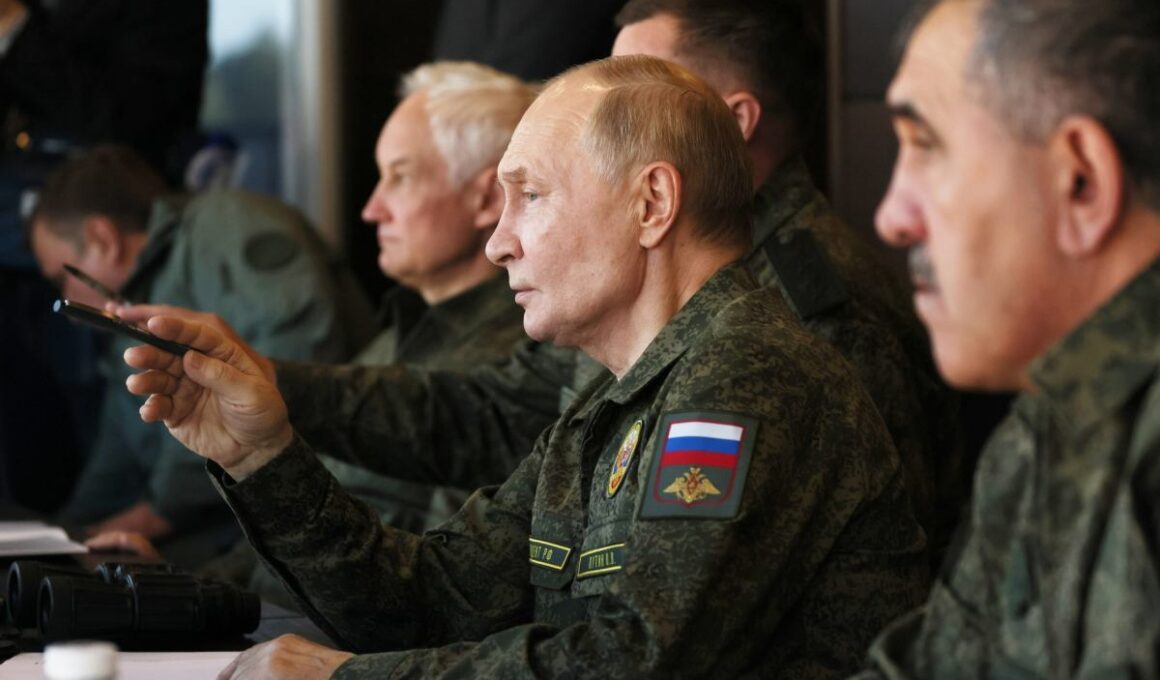
Despite the collapse of German support, the combat training centre in Mulino was built. In 2021, the site hosted a major “Zapad 2021” exercise involving 200,000 Russian and Belarusian soldiers, possibly signaling the start of Ukraine‑bound operations.
It remains unclear how the training facility was constructed without Rheinmetall technology.
German Military Reflections
Modern German officers recall that the past conditions were different, and they wondered how a comprehensive technical and tactical German support might have altered Russia’s 2022 offensive in Ukraine. This question continues to vex German military circles.