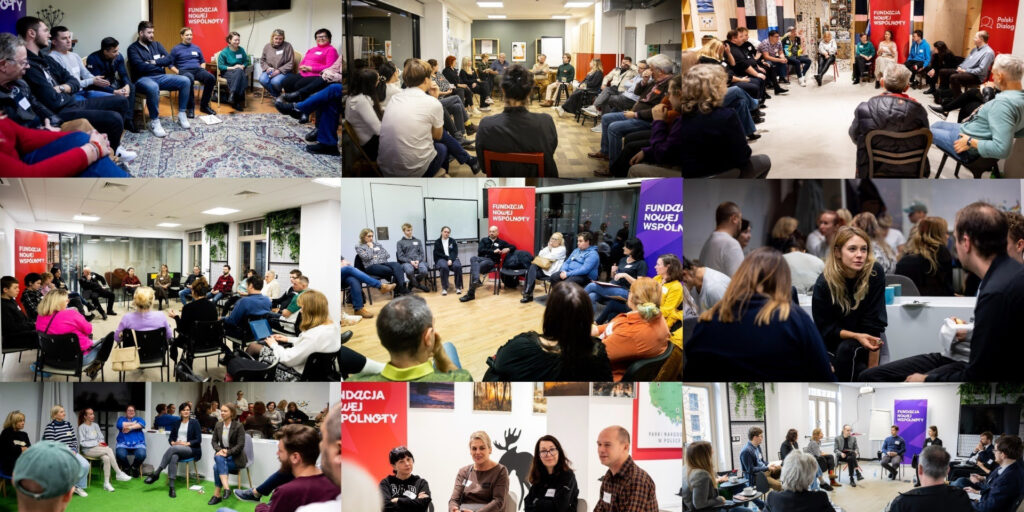
Eight public dialogues in 2024‑25, comprising 116 Warsaw residents, disclosed widespread lack of knowledge about the city’s Clean‑Transport Zone, raising concerns over municipal communication failures.
Dialogues Reveal Low Awareness of the SCT
During eight community discussions held by the New Community Foundation between late 2024 and early 2025, participants—average 116 residents from six Warsaw districts and two suburban municipalities—reported a mean knowledge score of 5.4 out of ten about the Clean‑Transport Zone (SCT).
By the end of the sessions the average rose to 7.2, yet participants highlighted persistent gaps that led to confusion over the zone’s purpose and implementation.
Inadequate Information from Authorities
Participants noted that institutions expected to inform residents, including city officials, media, and civic groups, failed to provide clear, accessible explanations of the SCT and its broader context.
One resident expressed frustration at the lack of a dedicated website presenting research outcomes: “I would like a clear page that shows the studies, their significance, and why this is positive, but I found none.”
Impact on Citizens’ Sense of Agency
Researchers Marta Szycman and Joanna Zięba recorded a decline in perceived participation from 73 % at the start of meetings to 59 % afterwards.
Both scholars concluded that the failure to involve residents in decision‑making reflects a larger communication problem between governments, media, civil society, and the public.
Residents’ Environmental Concerns and Social Equity
Although many participants voiced environmental concern, they struggled to see the SCT as part of a broader ecological strategy and focused on perceived negative impacts.
Fears included increased burden on public transport and the potential deepening of social inequalities through compulsory vehicle replacement for low‑income owners.
Key Findings and Recommendations
The study identified that “free‑talking in plain language” helped residents grasp the SCT’s mechanics.
When participants from diverse backgrounds used factual discussion rather than politicized confrontations, the topic remained civil and constructive.
Researchers emphasised that addressing residents’ knowledge gaps and listening to their concerns must precede any expert communication on benefits, to reduce social tension.
Study Highlights Need for Clear Communication
The Foundation’s report stresses that municipal policy should genuinely enhance daily urban life, with information delivered in simple, understandable terms.
Without such clarity, civic initiatives risk alienating the very communities they aim to serve.