

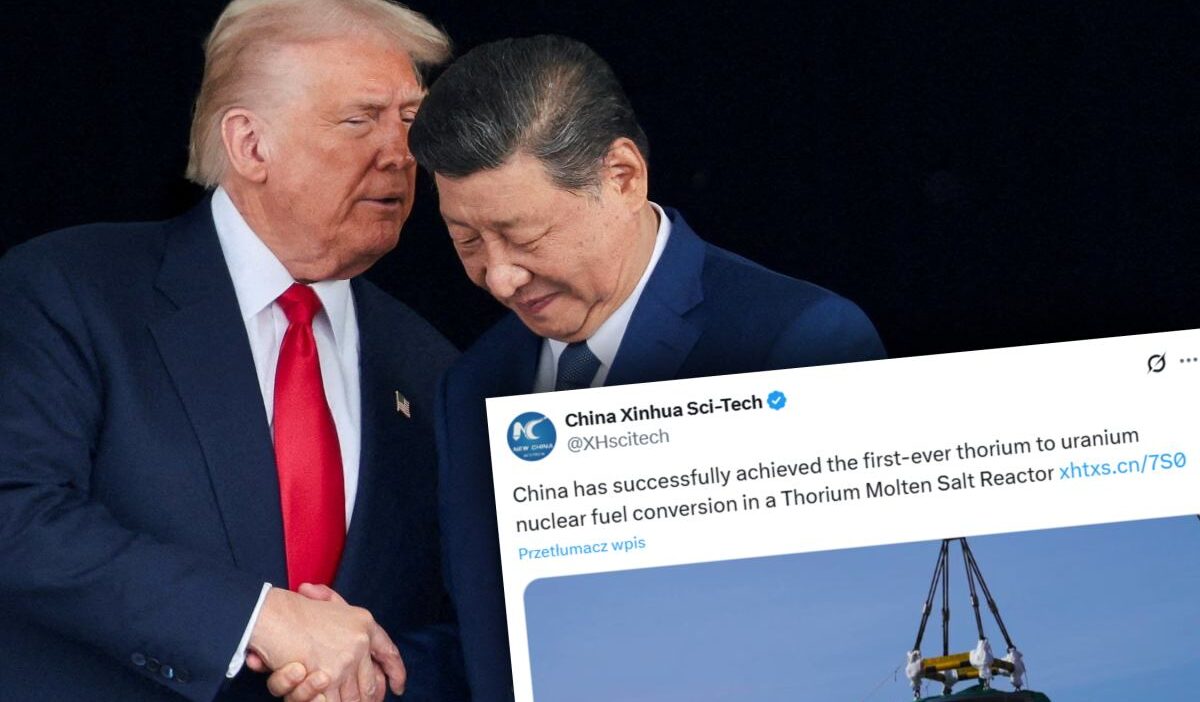
In October 2023, a Chinese experimental reactor in the Gobi Desert achieved criticality, converting thorium into fissile uranium and proving molten‑salt, thorium‑fuel technology can power large‑scale nuclear power plants.
Nation‑wide Criticality Achieved
Since 11 October 2023, the TMSR‑LF1 reactor in the Gobi Desert has been generating heat through a sustained chain reaction, as confirmed by Li Qingnuan, deputy director of the Shanghai Institute of Applied Physics. The moment of criticality marks the point where the reaction becomes self‑sustaining and the reactor operates stably.
From Thorium to Uranium Inside the Reactor
The breakthrough lies in the reactor’s ability to transmute thorium into uranium in situ. Researchers first introduced a small amount of uranium or plutonium to initiate the reaction; during the subsequent chain reaction, thorium is converted into fissile uranium, which both fuels the reactor and releases energy.
Advantages of Molten‑Salt Cooling
Unlike conventional water‑cooled reactors, TMSR‑LF1 uses liquid salts—often fluorides—that heat to temperatures where they remain molten. The salts operate at atmospheric pressure, eliminating the risk of high‑pressure water explosions and enabling safer, lower‑loss designs. In a leak, the molten salt would solidify in a dedicated chamber, containing radioactive material.
Historical Context and US Withdrawal
Thorium‑based reactor research peaked in the U.S. during the 1960s and 1970s, producing prototype reactors that combined thorium and uranium or used molten salts. When uranium‑fuelled reactors became the dominant commercial technology, thorium projects were abandoned. In 2011, the Chinese Academy of Sciences revived the work, building on publicly released U.S. research.
Future Demonstrators and Commercial Prospects
China plans a second, 100 MW demonstrator—fifty times larger than the current prototype—to prove commercial viability by around 2035. The molten‑salt design allows continuous fuel circulation, reducing the need for periodic shutdowns and enhancing fuel utilisation while cutting long‑term radioactive waste.
Implications for Energy Independence
By eliminating the need for water cooling, thorium‑fuel reactors can be sited anywhere, not just coastal or river plains. Chinese plans also include a container ship powered by a thorium reactor, capable of carrying 14,000 containers and operating for years without refuelling.


