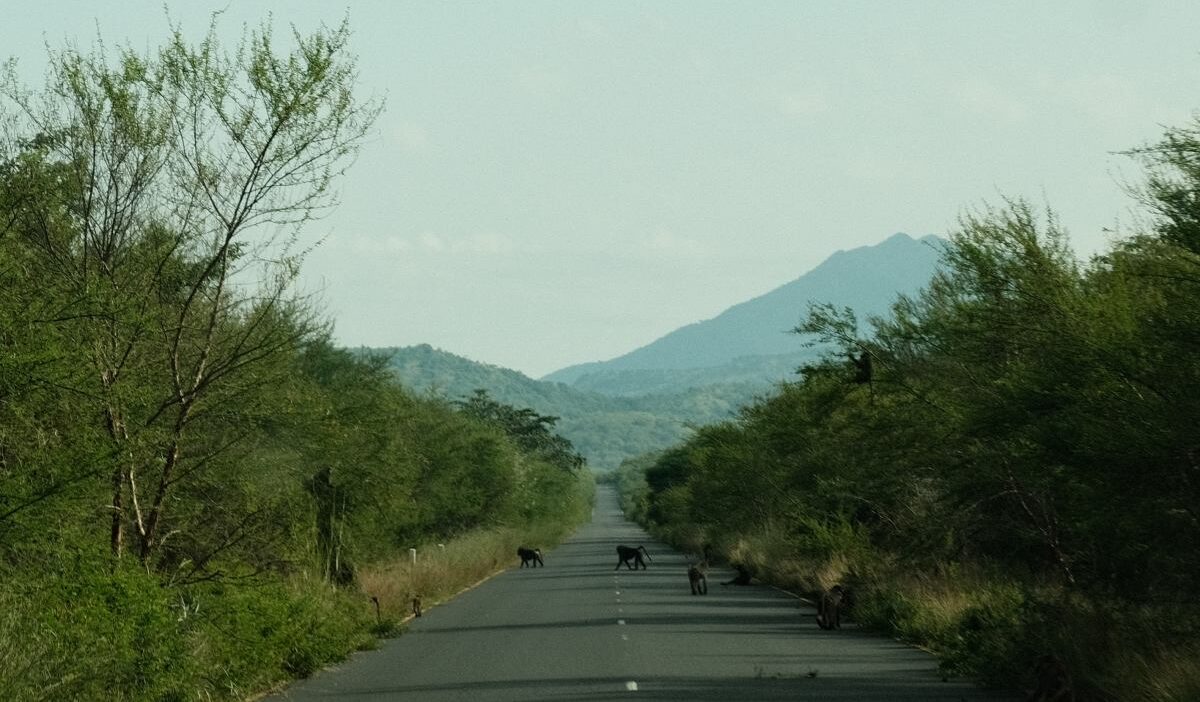
In Ethiopia’s Omo Valley, a national park described as a “small Serengeti” faces climate‑induced droughts, floods, and escalating human‑wildlife conflict as locals kill endangered animals in desperation.
The Omo Valley: A “Small Serengeti”
Nuru Yimer Abuye, a ranger at Ethiopia’s Omo National Park, compares his park to Tanzania’s famous Serengeti. The valley, surrounded by mountains, draws far fewer visitors—only about 1,000 a year—yet locals report rising environmental problems linked to warming climate.
Park Size and Biodiversity
Covering over 4,000 square kilometres—nearly seven times Poland’s largest Biebrza National Park—the Omo National Park protects river valley, steppe and mountainous terrain and shelters more than 300 bird species and 73 mammal species, including elephants, rhinos, giraffes, zebras, several monkey species and antelopes.
Cultural Richness
Beyond natural wealth, the park’s borders host over 80 ethnic groups ranging from a few individuals to tens of thousands, each with its own language, customs and traditions. Many communities live semi‑nomadic, relying on livestock and grazing, with cattle rearing holding significant economic and cultural value.
External Pressures: Sugarcane and Climate
Land is being converted for sugarcane plantations that require extensive irrigation dams, disrupting the river ecosystem, especially during dry periods. This, coupled with global climate change, creates frequent droughts and floods that strain both wildlife and human livelihoods.
Climate Chaos Threatens Nature
Abuye has witnessed, over a decade, heightened extremes such as intensified droughts, floods and shifting rainfall patterns. Previously predictable wet and dry seasons are now erratic, with late or short rains or sudden intense downpours causing floods, as seen nationwide in 2023.
Human‑Wildlife Conflict
Illegal killing of wildlife is strict but sometimes unavoidable for pastoralists whose cattle are their only income. When drought forces animals to leave the park, they clash with people, leading to retaliatory killings of lions, hyenas and monkeys, and in extreme droughts and floods, even famine prompts people to hunt elephants and other large animals for food.
Community Support and International Aid
Abuye stresses that protecting nature hinges on supporting residents, building knowledge to resolve conflicts without killing animals and safeguarding herds from predators. The Polish International Aid Center in southern Ethiopia trains community animal health workers, supplies vaccines and parasite treatments, and aims to reduce poverty and conflict by preventing cattle disease deaths.
Partnerships and Tourism Potential
The Omo Valley collaborates with neighbouring national parks, sharing best practices, and Abuye notes that increased tourism could provide much-needed revenue for residents and for environmental protection. However, limited infrastructure and guides, compounded by the pandemic and the 2020‑22 civil war, have kept visitor numbers low.
Energy as a Conservation Solution
Abuye points out that while river diversion for sugarcane farming harms the environment, hydroelectric power could offer positive impacts. Reducing deforestation driven by wood and charcoal for cooking and industry could be achieved by expanding electricity access, decreasing the need for tree felling.