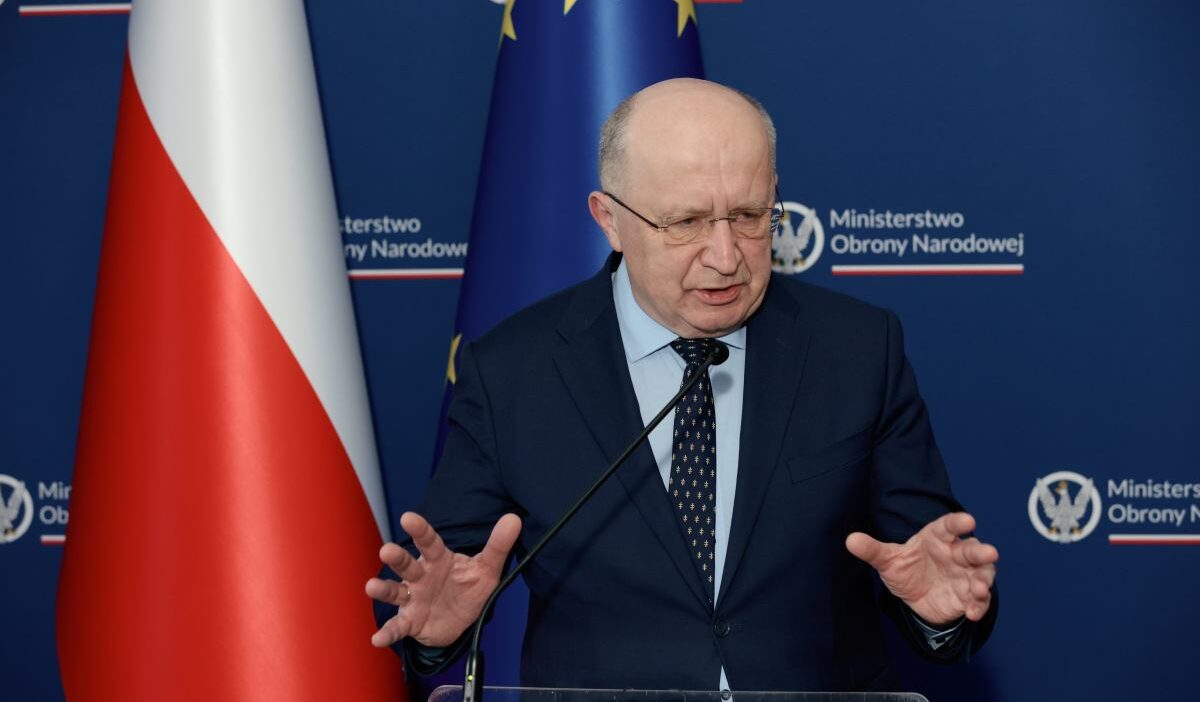
EU Commissioner for Security Andrius Kubilius warned in Vilnius that Russia could test NATO’s collective defence by 2030, pointing to the Baltic states as a likely first target.
Kubilius warns Russia could attack NATO by 2030
In a speech in Vilnius, the EU Commissioner for Security said the foremost question for the EU and NATO is how to defend the Baltic states and what lessons can be drawn from Ukraine. The urgency stems from public statements of intelligence services in Germany, Denmark, Finland, the Netherlands, and the whole region that Vladimir Putin may be ready to test Article 5 within the next two to four years, before 2030.
Intelligence signals a possible Article 5 test
Commissioner Kubilius cited a report by the European Parliament that intelligence agencies have indicated a likelihood that Russia would seek to trigger NATO’s collective defence clause. The warning arrives amid heightened tensions on the eastern flank of the alliance.
Baltic states could be preferred targets of Kremlin’s aggression
Kubilius added that the Baltic countries might become “one of the preferred targets of the new aggression of the Kremlin”. He warned that such a move would constitute an attack not only on the affected states but on all of NATO and the European Union. He referenced the book “If Russia Wins. Scenario” by Carlo Masali of the German Armed Forces University, which portrays a scenario where NATO cannot agree on a response to an occupation of Narva.
EU’s SAFE fund to support Polish defence
European Commission President Ursula von der Leyen said that Poland, which spends the most on defence in Europe, will be the biggest beneficiary of the 150 billion‑euro SAFE fund that offers low‑interest loans for Europe’s demilitarisation. Poland is set to receive over 43 billion euros. “Together we are stronger,” she added.
Economic Commissioner sees sabotage as part of Russia’s destabilisation
EU Commissioner for Economy Valdis Dombrovskis said that sabotage acts in Poland are part of Russia’s destabilisation strategy. While he did not identify who was responsible for the derailment of a railway line, he noted that the incidents fit the pattern of Russian operations.