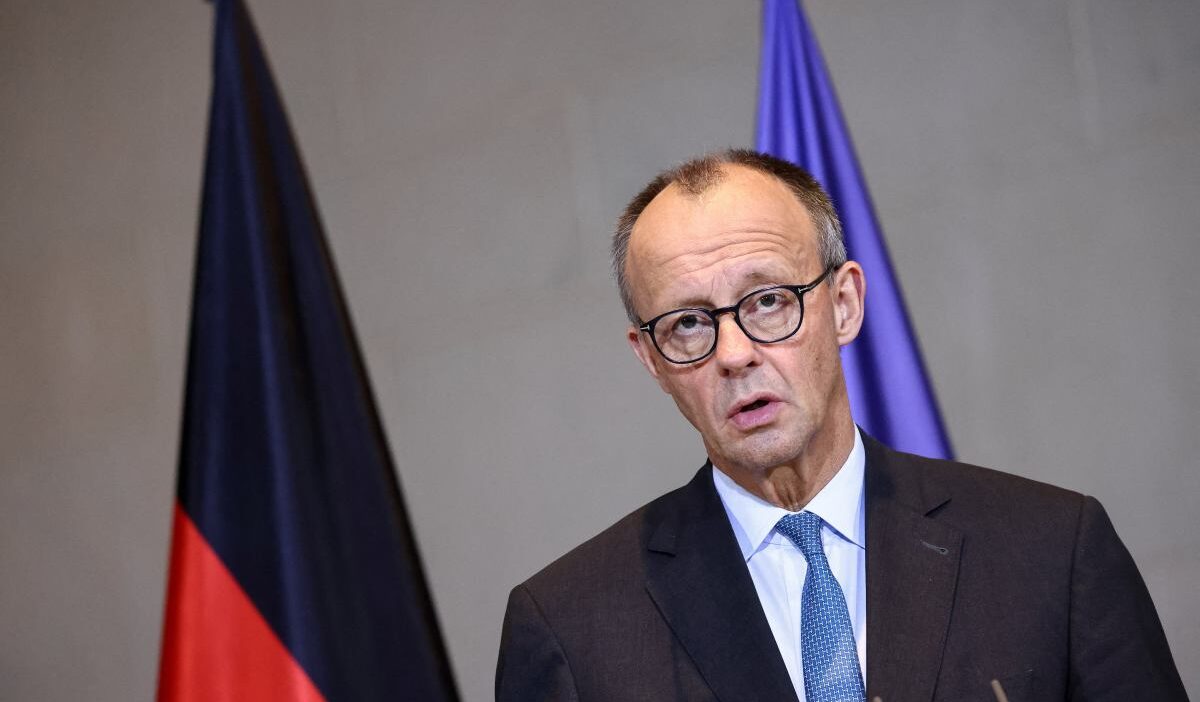
German Chancellor Friedrich Merz said on Tuesday that he does not foresee a breakthrough in negotiations on Ukraine’s war this week, despite progress reported in Geneva.
New Peace Plan Version
Delegations from the United States, Ukraine, and several European states, including Germany, met in Geneva on 23 November to discuss the U.S.–proposed 28‑point plan for ending the Ukraine war. The original draft demanded heavy concessions from Kyiv, such as handing over large parts of eastern Ukraine to Russia, shrinking its armed forces, and relinquishing NATO aspirations.
US 28‑Point Plan Adjustments
Zelenski urged that the plan needed “much more” to be acceptable, noting that Russia seeks a “true acknowledgment of what it has stolen.” He highlighted that all Ukrainian prisoners and citizens held by Russia, as well as the return of children taken by the Kremlin, must be fully freed. The U.S. State Department, represented by Secretary Marco Rubio, expressed optimism that agreement could be reached “very quickly.”
German Perspective
Chancellor Merz welcomed the “intermediate result,” but cautioned against unilateral territorial concessions to Russia, saying Ukraine could not be forced to give up ground. He emphasized that Ukraine must retain strong military capabilities and robust security guarantees from partners. He also stressed that Russia must come to the negotiating table.
Russian Response
President Putin initially repeated that the old U.S. plan could serve as a basis for ending the war. Later, foreign policy adviser Yuri Usakow called the new proposals “non‑constructive,” expressing discontent with the adjustments being considered by Germany, France, the UK, and EU leaders.
Western Officials’ Reactions
UK Prime Minister Keir Starmer welcomed “significant progress,” while French Foreign Minister Jean‑Noël Barrot said work continued to create conditions for a peace that respects Ukraine’s sovereignty. EU Council President Antonio Costa noted a few issues remained but the direction was positive.