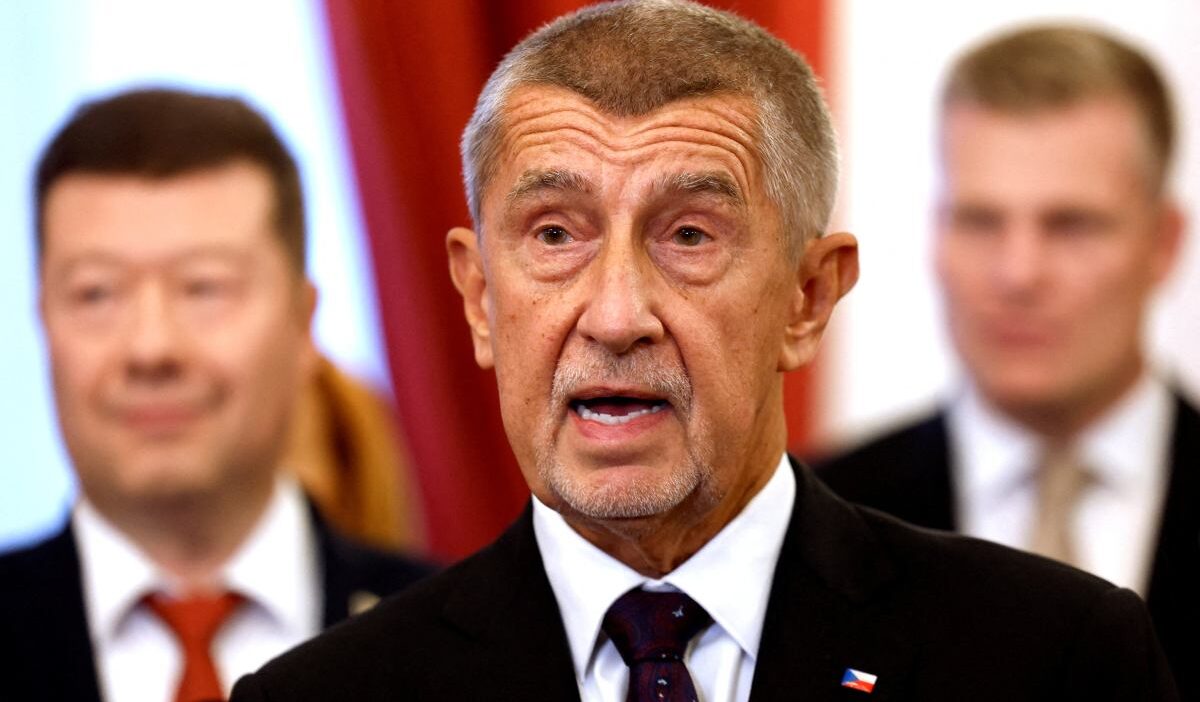
Andrej Babisz, the Czech politician dubbed the “Czech Trump”, was sworn in as prime minister on December 9, 2023, after his ANO movement secured a parliamentary majority.
New Term Begins
On Tuesday, December 9, President Petr Pavel formally appointed Andrej Babisz as prime minister.
Election Victory and Coalition Formation
The ANO movement secured the October parliamentary elections with just over 34% of the vote, the second‑best result ever in the Czech Republic. Babisz’s party formed a coalition with the right‑wing, eurosceptic party Zmotoryzowanych and the far‑right, xenophobic, anti‑European Union SPD movement.
He will not assume full governing powers until the entire cabinet is appointed, a date yet to be set.
Profile of Andrej Babisz
Andrej Babisz, 71, was born in Slovakia, later naturalised as a Czech citizen, and built a business empire centred on the Agrofert conglomerate, which operates across chemical, agricultural and food sectors and includes over two hundred firms worldwide.
He has faced accusations of conflict of interest, former ties to communist security services, and his status as a political oligarch. Entering politics ~15 years ago, he built a reputation fighting corruption, which helped him win voters disillusioned by scandals of traditional parties.
Since founding ANO in 2013, he served two terms as prime minister. He was called the “Czech Trump” for his wealth and style. After a four‑year stint in opposition and a failed presidential bid, he returned to prime ministership.
Lex Babiš Conflict‑of‑Interest Law
Under Czech law, a prime minister cannot hold a business that receives public subsidies or contracts. Agrofert meets this criterion, so President Pavel issued an ultimatum: Babisz must present a plan to resolve the conflict.
He pledged to relinquish influence over Agrofert and related financial benefits. The law, known as “lex Babiš”, gives him one month to complete the necessary divestments.