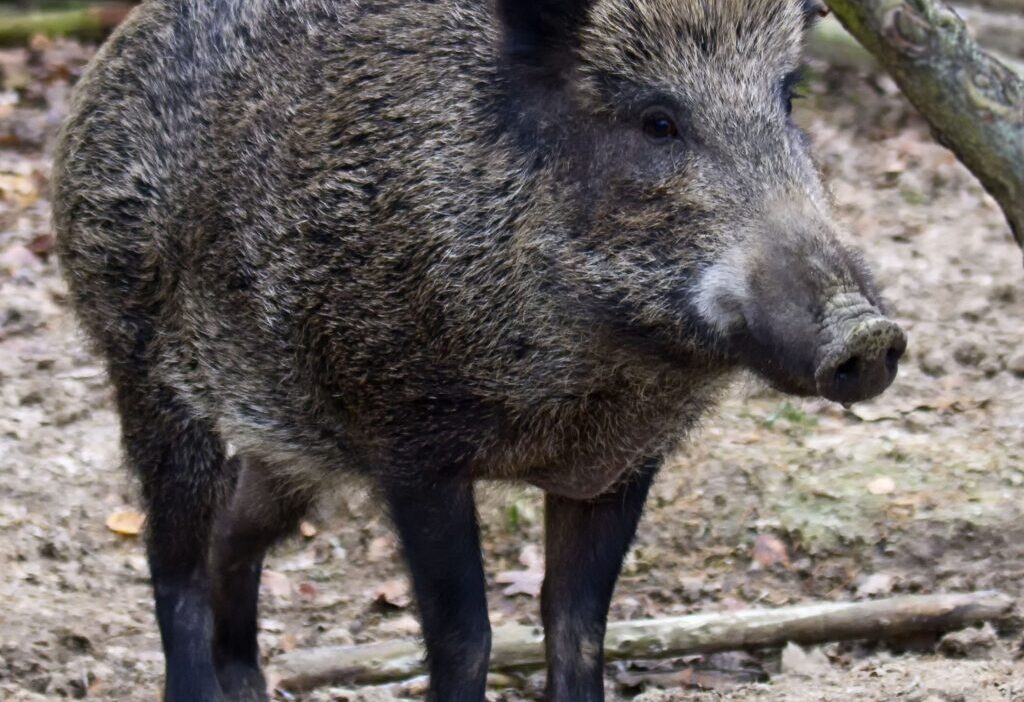
In recent years, wild boars have increasingly appeared across Warsaw’s streets, parks and schools, drawn by easier food access in the city, prompting growing concerns among residents.
Boars Finding Comfort in Urban Settings
Wild boars are increasingly seen on Warsaw housing estates, in parks and near schools. The city offers more ready food than forests, making urban areas attractive.
The Role of City Expansion and Habitat Loss
As Warsaw grows, former forest and field areas are built over. Boars lose natural habitats and are pushed further into human‑occupied spaces.
Human Feeding Practices as a Catalyst
Residents leaving garbage bins open, scattered leftover food, or unsecured compost containers create a reliable food source. Feeding boars directly also reduces their natural fear of people.
Dangers of Close Contact
Boars generally avoid people but can become aggressive when surprised or when protecting young. Encounters are most dangerous when boars feel cornered or are approached aggressively.
How Residents Can Reduce Encounters
Secure all waste containers, keep food out of reach, and avoid feeding boars. If an encounter occurs, stay calm, retreat slowly, keep dogs on leashes, and never approach the animal.
The Need for Collective Action
Long‑term solutions depend on consistent waste management and the cessation of feeding practices. The frequency of boar sightings will decline only when residents change their habits.