Poland’s Ministry of Development and Technology introduces sweeping changes to laws governing residential communities, the first major overhaul in 30 years.
Legal Status of Housing Communities
Poland is preparing significant changes to laws governing housing communities. The Ministry of Development and Technology is working on an amendment to the Act on Ownership of Premises, marking the first major update to this legislation in 30 years.
The project proposes changing the definition of a housing community to establish it as a unit without legal personality but with legal capacity under the law. This clarification means communities will be able to have their own property, separate from apartment owners’ assets, and acquire rights and incur obligations.
Property Rights and Liability
Currently, the civil law status of housing communities is determined indirectly through provisions in the Civil Code, which do not fully resolve the issue of community subjectivity. The proposed law aims to incorporate the Supreme Court’s view on community property rights into legislation, providing legal certainty in economic transactions involving such entities.
The project would also grant communities the right to independently pursue claims related to defects in common property, without needing to transfer rights from apartment owners. Currently, only apartment owners can file warranty claims, requiring unanimous consent from all owners to transfer these rights to the community.
Shared Property Elements
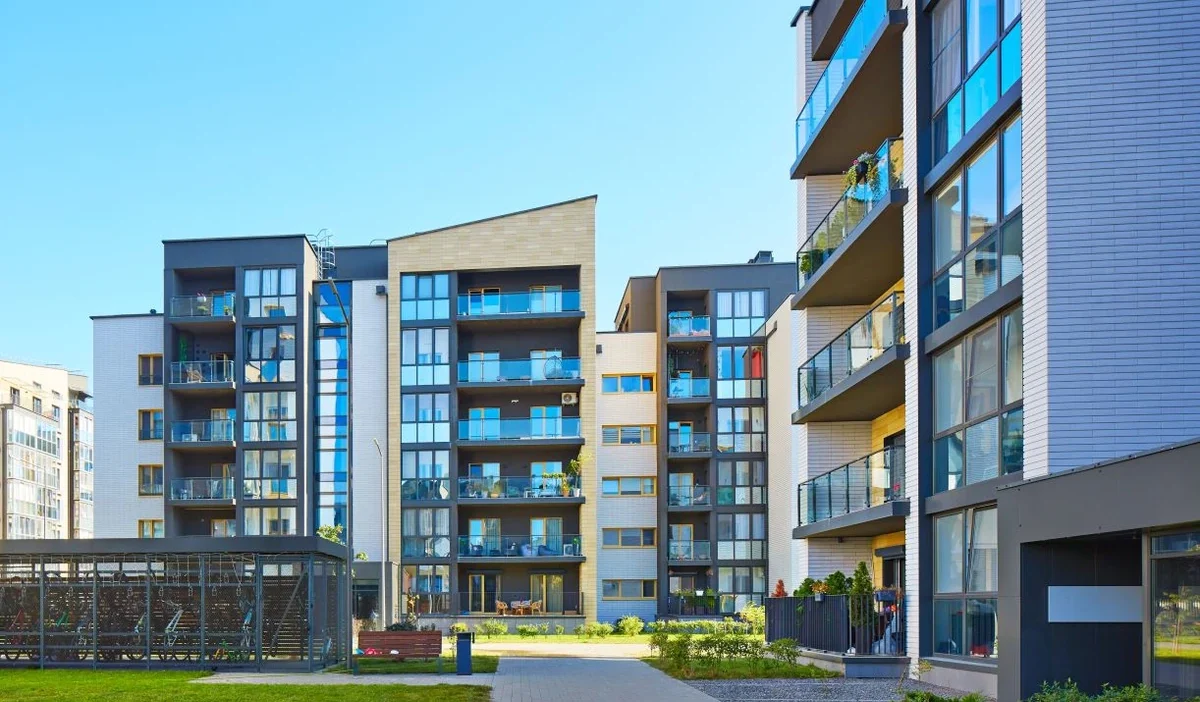
The project will change the definition of common property to include structural elements of balconies, loggias, and terraces, such as beams, balcony slabs with insulation, railings, and other elements that form part of the building’s facade. This clarification will eliminate uncertainties about who is responsible for maintaining these elements in good condition. Apartment owners will retain exclusive rights to the interior space of their balconies.
Fee Structures and Utilities
The Ministry of Development and Technology proposes allowing communities to increase advance payments for maintaining common property for all units if their usage patterns result in increased costs. Currently, such increases are only permitted for commercial units when their actual use generates higher costs for the community.
Expenses for measuring devices like heat meters, water meters, and heat cost allocators will be classified as costs related to common property. This means their maintenance and all associated activities, including installation, replacement, legal verification, conservation, and repairs, will be the responsibility of the community. The project also proposes that payments for media services and waste disposal fees be due by the 10th of each month, ensuring communities have timely funds to maintain service continuity.
Management Authority
The amended law will include a definition of “ordinary management activities” that boards or property managers can handle independently, without requiring votes from apartment owners. These will be routine matters related to normal use and maintenance of common property. Currently, communities rely on Civil Code provisions, which often leads to disputes between management and apartment owners about decision-making authority.