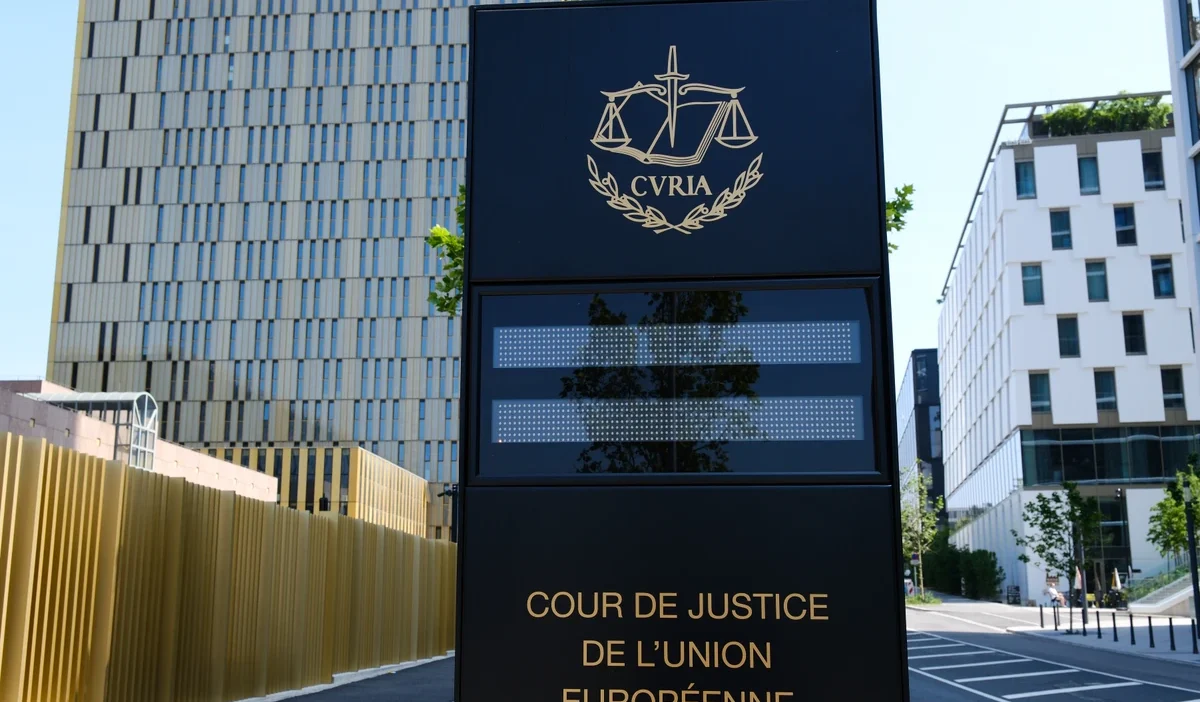
The CJEU rejected Poland’s appeal to reclaim €68.5 million in fines from the Turów case, overriding its own Advocate General’s opinion.
Case Initiation
The case began when Czechy filed a complaint with the CJEU under Article 259 TFUE, concerning the extension of the lignite mine concession in Turów without consulting Prague. The CJEU’s vice-president ordered an immediate halt to mining in May 2021.
In September 2021, the CJEU ordered Poland to pay a daily penalty of €500,000 to the European Commission until compliance. This fine accumulated until February 2022, the day after Poland and Czechy reached an agreement.
Advocate General’s Critique
Although the practical issue was resolved, Poland faced significant fines for nearly five months. Since Poland did not pay, the European Commission deducted them from its owed funds.
Poland filed two lawsuits with the Court of the European Union to annul five decisions on deductions, but they were dismissed as unfounded in May 2024.
Poland’s Arguments
The Polish government hoped to recover the money, arguing that the obligation was void due to the agreement and the case’s removal from the CJEU register.
The Advocate General’s July opinion suggested this might succeed, noting the lack of experience with this tool. Poland argued that interim measures are accessory to the main proceedings, which the Advocate General agreed with, stating they should not be treated as sanctions.
Critique of 2021 Ruling
The Advocate General pointed out flaws in the 2021 ruling’s justification. The CJEU vice-president based the decision on a provision allowing concession extension without an environmental impact assessment, but the mine operator had included such an assessment.
This raised doubts about the validity of the ruling. She also questioned whether the CJEU properly balanced Polish arguments about damages from halting mining.
Nature of the Fine
The Advocate General emphasized that interim measures aim to ensure future rulings’ effectiveness and are not sanctions. Their accessory nature means they must cease when the case is withdrawn due to an agreement.
Eliminating them retroactively aligns with the parties’ intentions regarding these measures.
Final CJEU Ruling
The CJEU ruled that the agreement between Czechy and Poland did not retroactively annul the imposed daily penalty. The judge who imposed it can only reconsider it for the future, not retroactively.
The CJEU stated that the penalty’s preventive character, not punitive, justifies its retention despite Poland’s arguments.