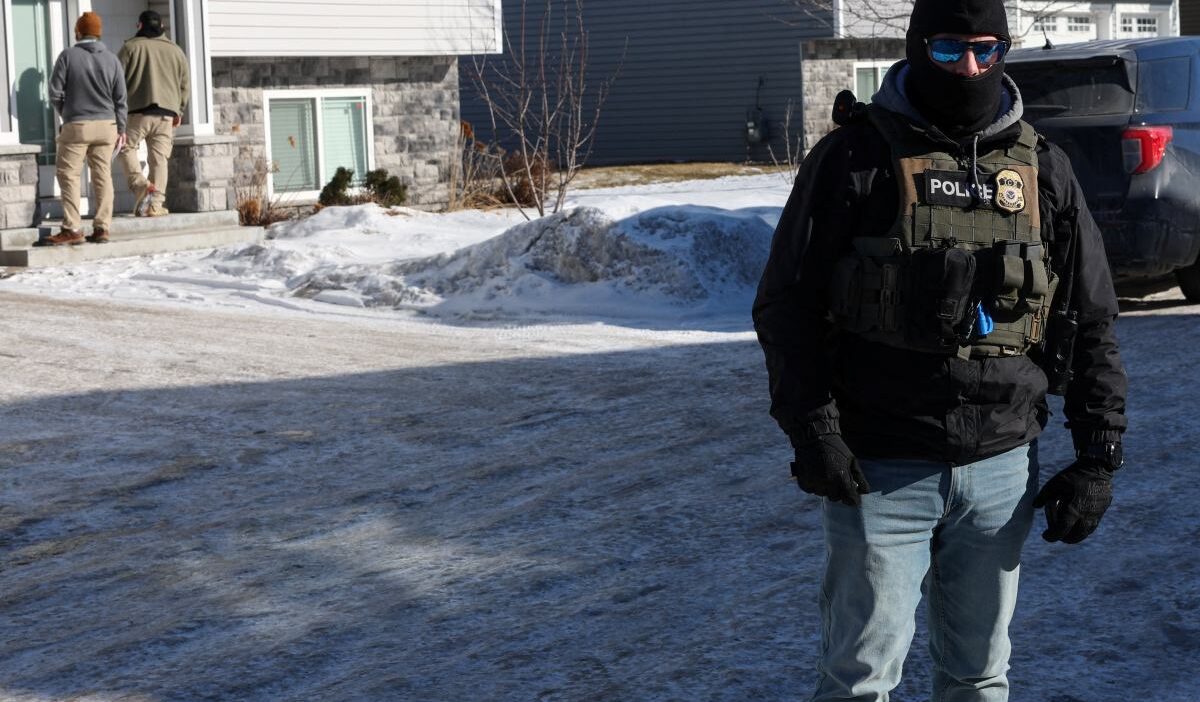
ICE in Minnesota implements new guidelines after two civilian deaths, restricting contact with protesters and targeting only immigrants with criminal records.
Ban on Contact with Protesters
According to new instructions, ICE officers must completely avoid contact with individuals described as “agitators.” An email from a high-ranking ICE official states: “Do not communicate or engage in conversations with agitators. This serves no purpose other than escalating the situation.” Agents are to use megaphones to announce detention stages.
The guidelines do not specify what civilian behaviors would result in orders being issued or what action to take if orders are not complied with.
Only “Targets with Criminal Connections”
The most significant change concerns detention scope. ICE in Minnesota is to conduct only “targeted actions” against immigrants with criminal charges or previous convictions. “We are switching to enforcing the law against foreigners with a criminal history,” Reuters quotes from internal guidelines.
Until now, general raids were conducted.
Reaction Following Civilian Deaths
The strategy change follows two interventions in Minnesota where federal agents shot U.S. citizens – Renee Good and Alex Prettie. The Trump administration initially portrayed the victims as aggressors, but video recordings contradicted this account.
President Trump announced “deescalation of tensions” in Minneapolis and St. Paul. Oversight of operations was given to Tom Homan, who officials say will implement more selective actions.
Personnel Changes
ICE will now conduct operations independently, with Border Patrol officers shifted to support roles. This reverses the previous practice under Border Patrol Commander Gregory Bovino, known for confrontational actions in Los Angeles and Chicago.
Bovino has been demoted and is set to retire. The guidelines include checking vehicle license plates, with agents instructed to make arrests if the owner is an immigrant with a criminal past.
Possible Agent Withdrawal
“You can’t solve the problem without having conversations,” Homan said after meetings with local authorities. He admitted not all federal actions were “perfect,” stating, “The safety of local communities is the most important.”
The presidential envoy indicated withdrawal of some federal forces is possible if agents gain wider access to state prisons. Homan mentioned a plan to reduce immigration services in Minneapolis is being developed.
“Nothing Has Changed”
Despite Trump’s promises of deescalation, Minneapolis and St. Paul residents report no practical changes. ICE raids continue, and local warning groups report ongoing federal agent presence.
Immigrants fear leaving their homes, with some families living in hiding or leaving the city. Residents state, “Nothing has changed,” noting fear and uncertainty remain the same.
No Evidence of Deescalation
Similar conclusions come from local authorities and schools. Governor Tim Walz sees no evidence of restricted ICE actions, while teachers report increasing student absenteeism and trauma among children.
Although the Trump administration changed its tone and personnel, federal officers remain visible in Minnesota, with residents noting the sense of security has not been lower in a long time.