A woman sentenced to 10 years for murdering her newborn has been released after Poland’s Supreme Court overturned the verdict due to the involvement of a controversially appointed judge.
Crime and Initial Conviction
In October 2021, 27-year-old Magdalena P. arrived at a hospital in Krasnystaw complaining of abdominal pain and bleeding. It emerged she had given birth earlier that day. The body of the newborn, born in the 33rd week of pregnancy, was found hidden in a linen bag at her home in Izbica. An autopsy indicated the child could have survived with appropriate hospital care.
Experts established that Magdalena P. had used intoxicating and abortifacient substances. She was charged with murder but did not plead guilty. It is known she has two other children, her partner worked abroad, and she likely hid her third pregnancy. In July 2024, the District Court in Zamość sentenced her to 10 years and 1 month in prison for murder and drug possession. In November 2024, the Court of Appeal in Lublin upheld this verdict.
Supreme Court Overturns Verdict
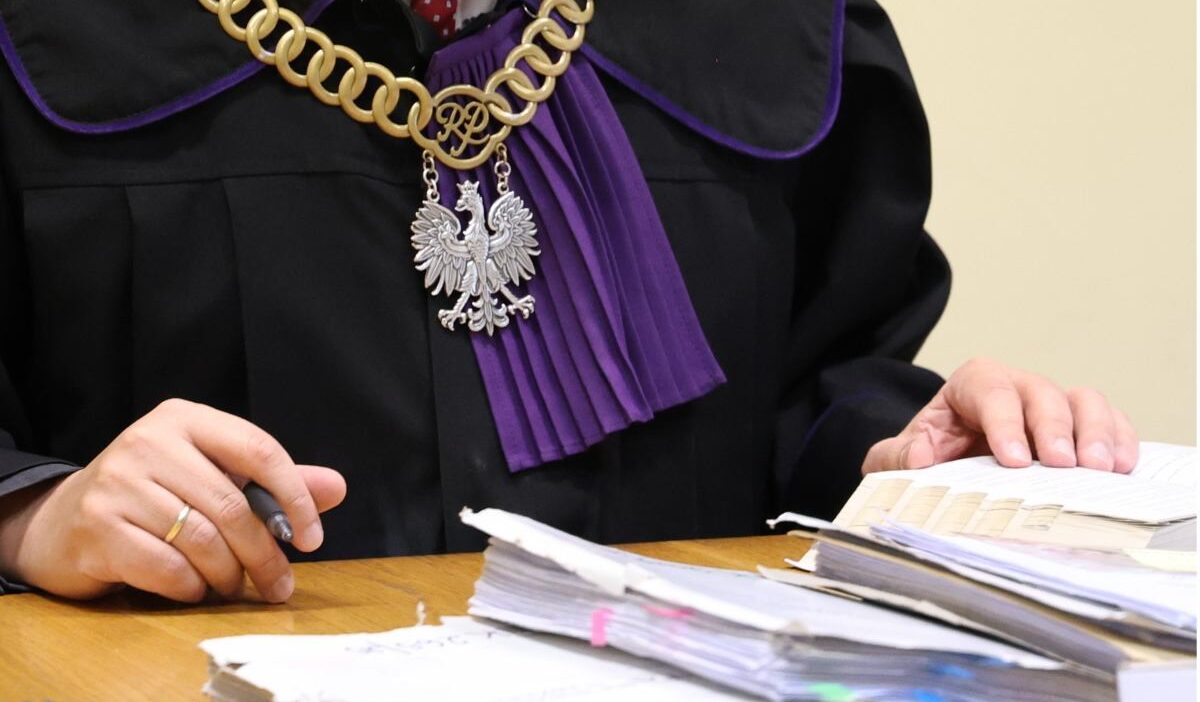
As determined by Gazeta.pl, on December 11 last year, the Supreme Court quashed both verdicts and referred the case back to the District Court in Zamość for reconsideration. The reason for the quashing was the participation of a judge appointed under controversial circumstances. The judge was appointed to the District Court in Zamość in March 2023 at the request of the National Council of the Judiciary (KRS), formed under disputed new regulations.
The Supreme Court noted that the judge had unsuccessfully applied for promotion multiple times in the past (2005, 2007, 2009), receiving only “moderately positive” opinions or negative reviews from the court college. The Supreme Court rapporteur, Judge Jacek Błaszczyk, had previously signed a declaration refusing to adjudicate with judges appointed by the “new” KRS.
Release from Custody
With the prison sentence annulled, the Supreme Court initially ordered temporary arrest to prevent Magdalena P. from leaving prison, citing the high probability of a severe sentence being reimposed. However, on January 22, the Supreme Court lifted the temporary arrest and imposed police supervision instead. This requires her to report to the police once a week and prohibits her from leaving the country. She has been confirmed to be at liberty.
The rapporteur for this decision was Judge Ryszard Witkowski. The court ruled that there was no justification for continued arrest, noting the accused had previously complied with police supervision and there was no evidence of her obstructing the proceedings. The Supreme Court emphasized that quashing the lower court rulings had formally restored the presumption of innocence.