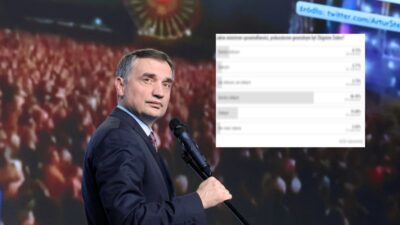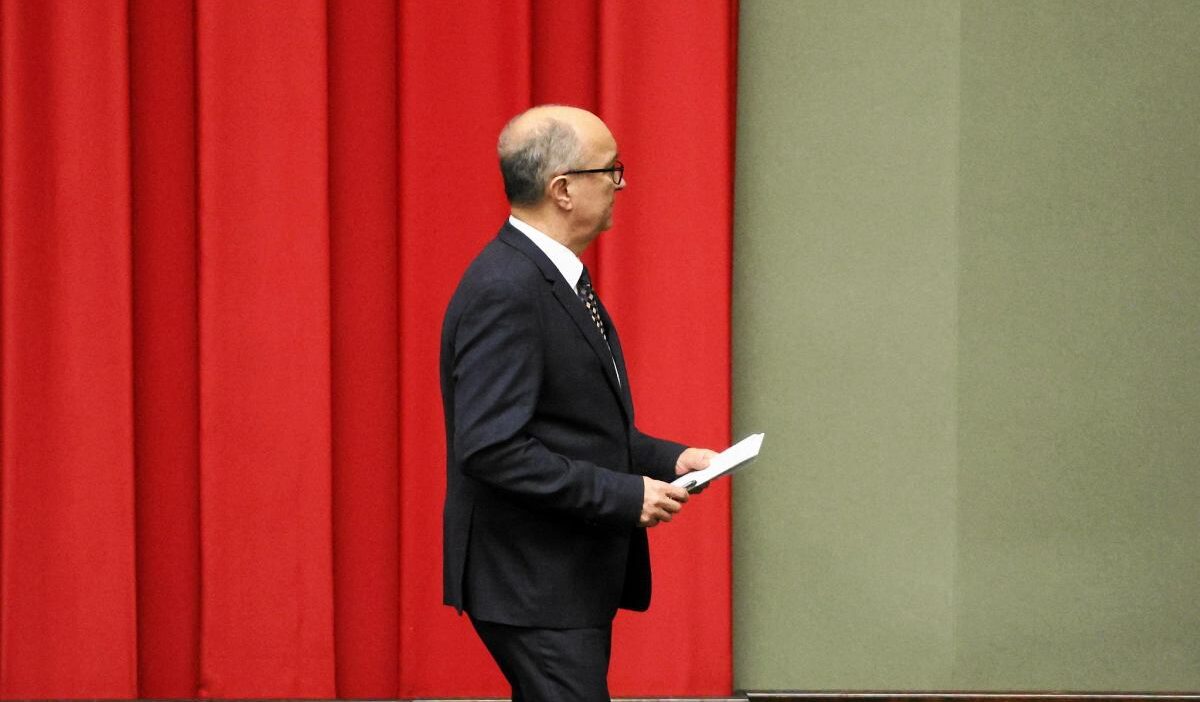
Konfedercja’s Mentzen unexpectedly defended Sejm Marshal Czarzasty in a Radio ZET interview, declaring no Americans will dictate Poland’s parliamentary leadership choices.
Mentzen Downplays Czarzasty Controversy
In a February 10 Radio ZET interview, Sławomir Mentzen dismissed the urgency of discussing alleged contacts between Sejm Marshal Czarzasty and Russia at the National Security Council (RBN) meeting. He deemed the issue “exaggerated” and argued it was not significant enough for RBN deliberation, suggesting intelligence services should handle it instead.
Mentzen characterized the matter as unnecessary political amplification of Czarzasty and the Left party, suggesting President Andrzej Duda was retaliating against long-standing attacks from the opposition. He also found PiS’s proposal for secret Sejm proceedings incomprehensible.
Mentzen Condemns US Ambassador’s Remarks
When questioned about the dispute between Czarzasty and the US Ambassador, Mentzen emphasized Polish sovereignty in electing parliamentary leadership. He stated, “It’s our postcommunist,” and asserted, “No Americans will tell us who should be marshal of the Polish Sejm.”
Mentzen demanded the US Ambassador be summoned to the Ministry of Foreign Affairs (MSZ), suggesting it might help him “find his place,” and stressed ambassadors should not interfere in Poland’s internal affairs.
Czarzasty Defies Intimidation
Sejm Marshal Czarzasty confirmed his attendance at the February 4 RBN meeting. He addressed President Karol Nawrocki with four points: refusing to be intimidated, demanding clarification of Nawrocki’s past, maintaining his current conduct towards him, and urging Nawrocki to address the problems of Poles and public sentiment.
Simultaneously, Czarzasty revealed the Sejm Chancellery, led by Minister Marek Siwiec, had requested an additional point be added to the RBN agenda. This includes explaining Czarzasty’s contacts with pseudo-hooligan circles and organized crime figures, and clarifying his past security work at Grand Hotel Sopot in the 1990s/early 2000s when it hosted criminal elements.