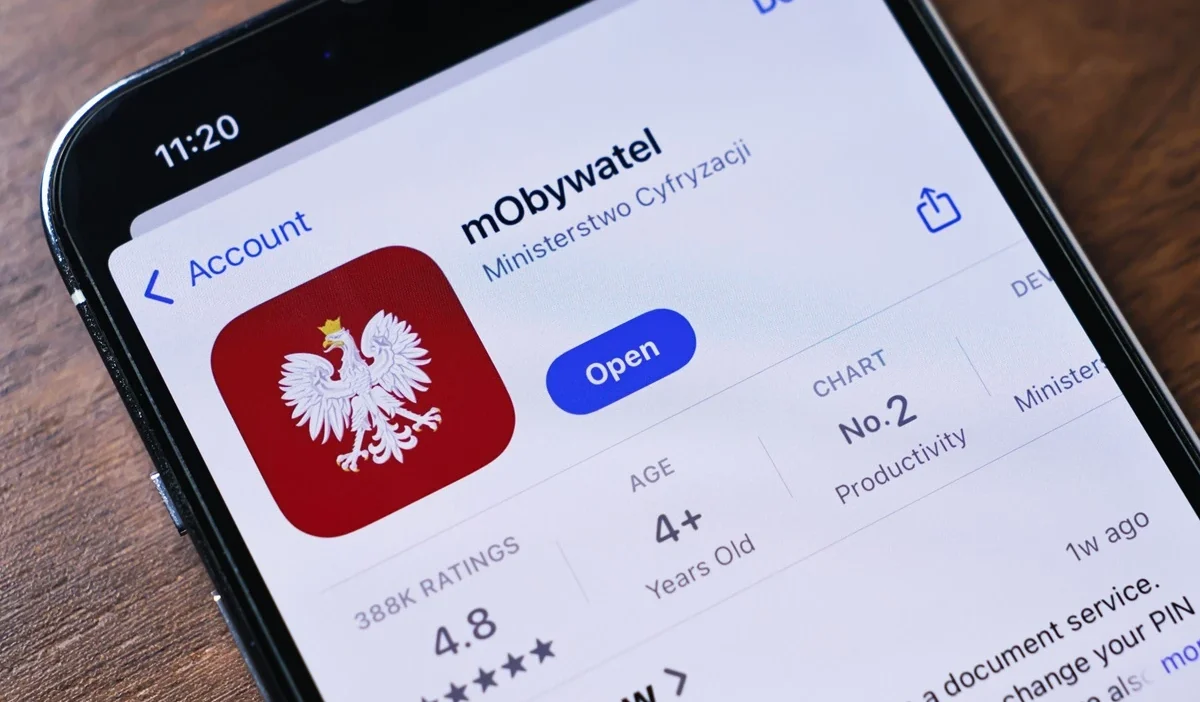
The Polish mObywatel app now supports Apple Pay and Google Pay for faster, more secure official fee payments.
Google Pay and Apple Pay in the mObywatel App: How do the new ePayments work?
The ePayments service in the mObywatel app is gaining additional functionalities. Google Pay and Apple Pay have been added to the available methods for settling official obligations. This is a response to the growing popularity of digital payments in public administration.
New Payment Methods in mObywatel: Google Pay and Apple Pay
The introduction of Google Pay (for Android) and Apple Pay (for iOS) means even faster and more convenient settlements. The new methods allow for contactless, online, and in-app payments using saved payment cards or bank accounts. However, the availability of these options depends on the specific municipality – it is the municipality that decides on the implementation of selected payment methods within ePayments.
Users with iPhones will see Apple Pay alongside methods such as BLIK or payment card – if their device has enabled this function. Similarly, Android smartphone owners can use Google Pay if the option has been activated by their municipality.
To make a payment, it is enough to select an obligation in the app, go to payments, and indicate the preferred method. Details of the operation are saved in the transaction history, and the user receives current information about the payment status.
ePayments in mObywatel – Speed, Security, and Convenience
Google Pay and Apple Pay enable transaction approval with one click or using biometric authorization, such as fingerprint or Face ID. Importantly, payment card data is not transmitted to the office or stored in the mObywatel app, which increases the level of security.
New payment forms can also be used for installment obligations. Information about available installments is provided by the relevant office and visible in the ePayments system. After approving the operation, the user receives confirmation, and the transaction goes to the payment history.
What can be paid through ePayments in 2026?
The list of obligations that can be settled without commission directly on the phone is constantly growing. Currently, the system supports, among others:
The scope of available liabilities and payment methods depends on the degree of service implementation in a given municipality. For users, this means no commission and greater control over obligations to public administration. For offices – automation of processes, greater financial transparency, and lower service costs.