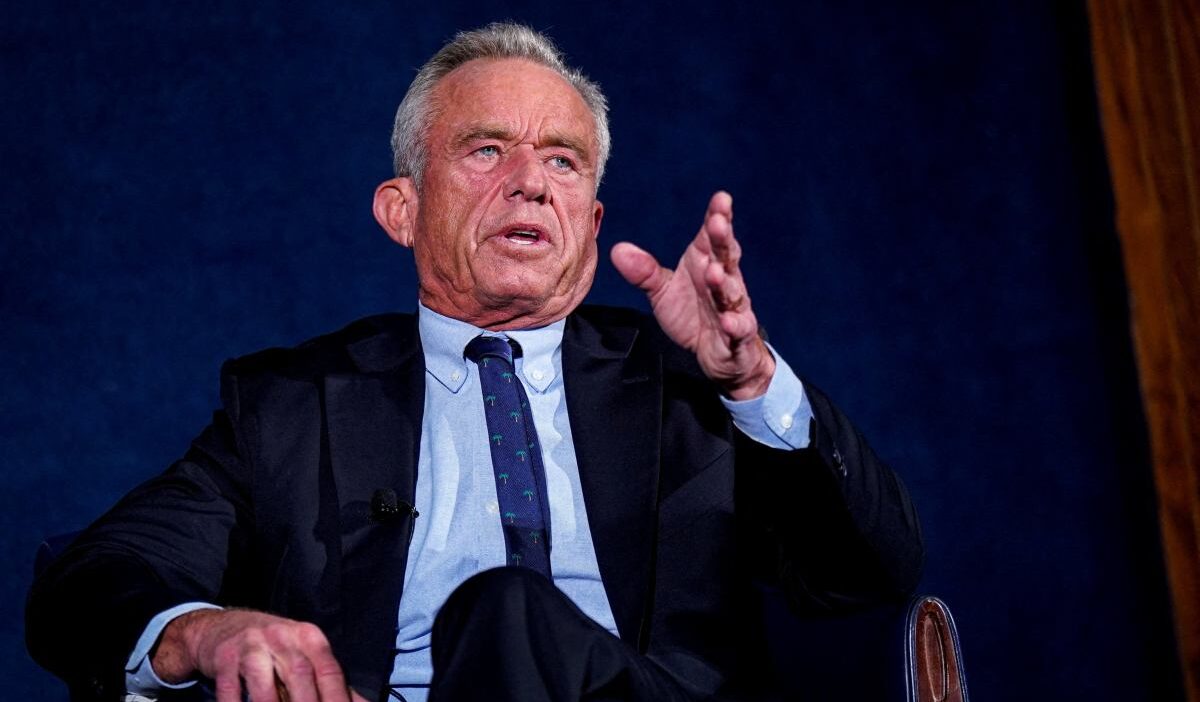
U.S. Health Secretary Robert F. Kennedy Jr. admitted to past cocaine use during a podcast interview, reigniting controversy over his history of addiction.
Shocking Admission During Podcast
Robert F. Kennedy Jr., the U.S. Secretary of Health and Human Services, made an unusual admission while guesting on Theo Von’s podcast. Discussing drug addiction, which both men have struggled with, Kennedy mentioned he met Von at addiction support meetings suspended during the pandemic. The group continued meetings despite risks, stating, “I’m not afraid of germs. I used to do cocaine with desexdesos.”
Kennedy emphasized his addiction is a life-threatening illness requiring ongoing treatment, specifically daily meetings, for him to survive. He described participation as his way of staying alive.
Non-Profit Group Calls for Resignation
The advocacy group Protect Our Care, focused on affordable healthcare, reacted to Kennedy’s statement by demanding his resignation. They labeled him “the most dangerous, overreaching, and unsuitable person ever to lead such a critical federal agency, where life and death are in their hands.”
Sky News notes Kennedy has long spoken openly about his drug addiction, which began after his father’s assassination in June 1968. He has been arrested twice for drug offenses: once in 1970 for marijuana possession and again in 1983 for heroin possession, the latter prompting him to seek treatment.
Controversial Figure and History
Robert F. Kennedy Jr. was appointed Health Secretary during Donald Trump’s second term. He is widely known for his anti-vaccine views, prominently voiced during the COVID-19 pandemic, though he held them earlier. In 2005, he published an article incorrectly linking vaccines to autism in children.
Kennedy has promoted other controversial theories. In 2023, he claimed COVID-19 was a biological weapon targeting White and Black people, with Ashkenazi Jewish and Chinese people most resistant. In the same year on Joe Rogan’s podcast, he suggested cellphone and Wi-Fi radiation could cause cancer, leading to a Department investigation announced in January 2026.
However, “Scientific American” notes federal health agencies like the FDA and the FCC have long stated there is no evidence linking cell phone use to cancer, a position the FCC also holds.