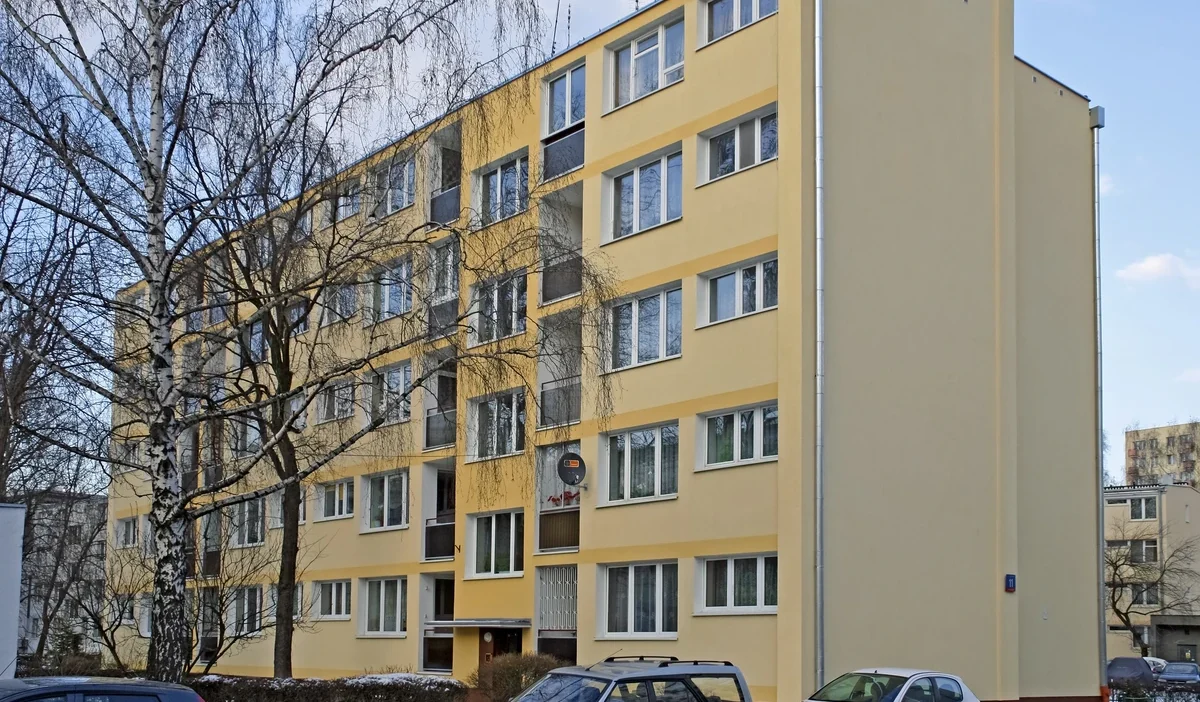
Polish municipality questions proper VAT accounting for residential utility cost refactoring to tenants.
Factual Scenario
A Polish municipality, as an active VAT taxpayer, manages residential properties through a municipal budgetary housing unit. The municipality owns residential apartments that are part of the municipal housing stock. One apartment is located in a building managed by a housing association where the municipality is a member.
The housing association has utility supply contracts for the buildings it manages, including water supply and sewage disposal. Invoices for these utilities are issued directly to the housing association. The municipality subsequently receives an invoice from the association for the apartment’s utility costs and refactors these charges to the tenant.
VAT Treatment
The municipality leases residential apartments through civil law contracts, which are exempt from VAT under Article 43(1)(36) of the VAT Act. The municipality accounts for VAT on a monthly basis using the JPK_V7M format. There are no VAT-related connections between the municipality and the tenant as defined in Article 32(2) of the VAT Act.
The municipality charges tenants utility costs based on meter readings, including water supply, sewage disposal, and treatment. In December 2025, the municipality received water and sewage invoices and issued a refactoring invoice to the tenant on January 12, 2026, for 108 PLN with payment due by January 20, 2026.
Question of Compliance
The municipality applied VAT exemption to this utility refactoring. The core question is whether this action was correct and how the municipality should properly account for VAT when refactoring residential utility costs to tenants.