The death of Quentin Deranque in clashes between far-right and far-left groups has sparked a diplomatic dispute between France and the United States.
Quentin Deranque’s Death Shakes France
23-year-old Quentin Deranque died as a result of a beating that occurred on February 12 in Lyon during clashes between far-right and far-left groups. His death caused immense political upheaval in France, with President Emmanuel Macron and members of the government, including Sébastien Lecornu, commenting on the tragedy.
The far-right National Rally (RN), which is leading in polls, as well as some government ministers, blamed the far-left France Unbowed (LFI) for the events’ outcome. Among those detained by police as potential perpetrators were individuals linked to the disbanded anti-fascist group Young Guard, whose leader, Jean-Luc Mélenchon, has spoken warmly of them. Two associates of LFI MP Raphaël Arnault, a co-founder of the Young Guard in 2018, were also arrested.
Political Fallout and Internationalization
Jordan Bardella and Marine Le Pen hope that LFI’s troubles will lead to it being politically isolated, allowing the RN to enter the political mainstream with full rights. Meanwhile, Mélenchon condemned the recent act of violence but did not distance himself from the Young Guard. Left-wing media reminded people that Deranque was not merely a ‘math student attacked by Antifa’ as his own circle portrays him, but was involved in neo-fascist and nationalist organizations.
The dispute over Deranque’s death has quickly moved from a domestic to an international level. While the question of which side is right will not bring the 23-year-old back, the political consequences for France, especially in the context of upcoming elections, are hard to predict.
Kushner Underestimated French Hospitality
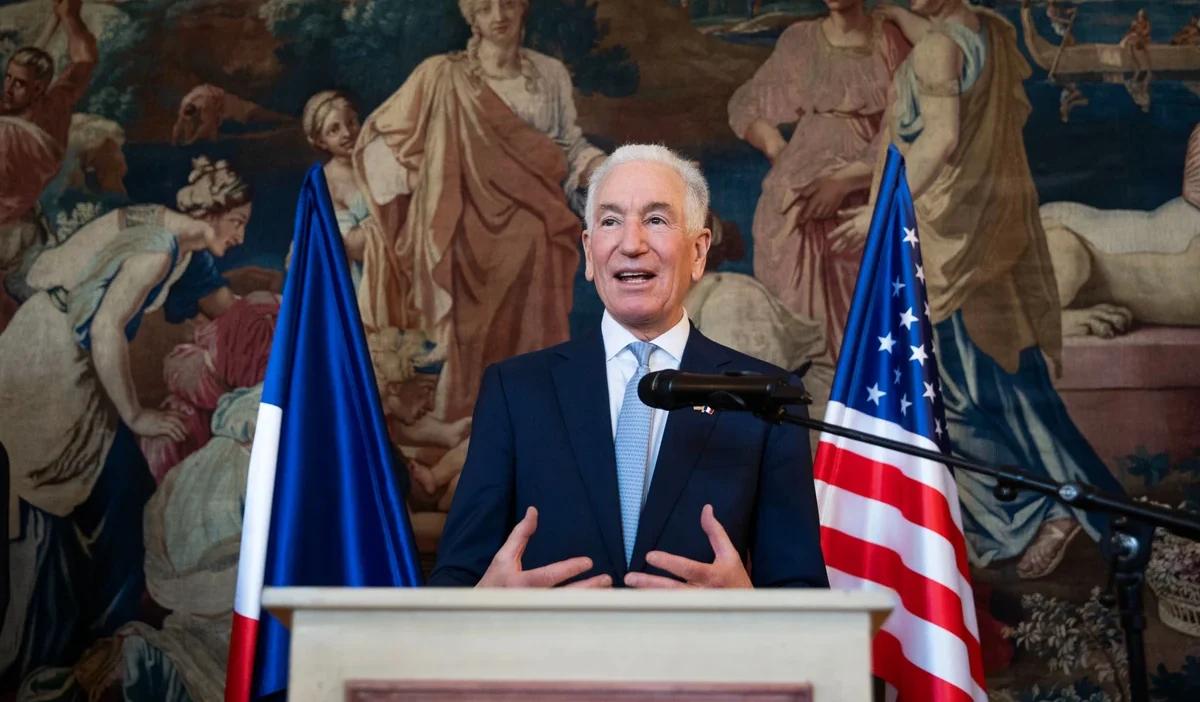
The dispute began with a post on X by the US Embassy in France, which echoed a statement from the State Department’s Counterterrorism Office, condemning ‘brutal leftist extremism’ and its role in Deranque’s death. In response, French Foreign Minister Jean-Noël Barrot summoned Ambassador Charles Kushner, stating the Lyon incident is a purely domestic matter.
The ambassador, in an undiplomatic move, did not show up for the summons, leading Barrot to bar him from meeting with other French government officials. Tension eased only after a phone call between the two. This is not Kushner’s first diplomatic incident in Paris; he was previously summoned for criticizing France’s efforts to combat anti-Semitism in an open letter.
A Pattern of Intervention
In recent weeks, US ambassadors in other European countries, including Bill White in Belgium and Thomas Rose in Poland, have also been involved in public disputes with host governments. While such interventions are not new, it appears they are increasingly motivated by the political interests of the MAGA movement, not just economic concerns.