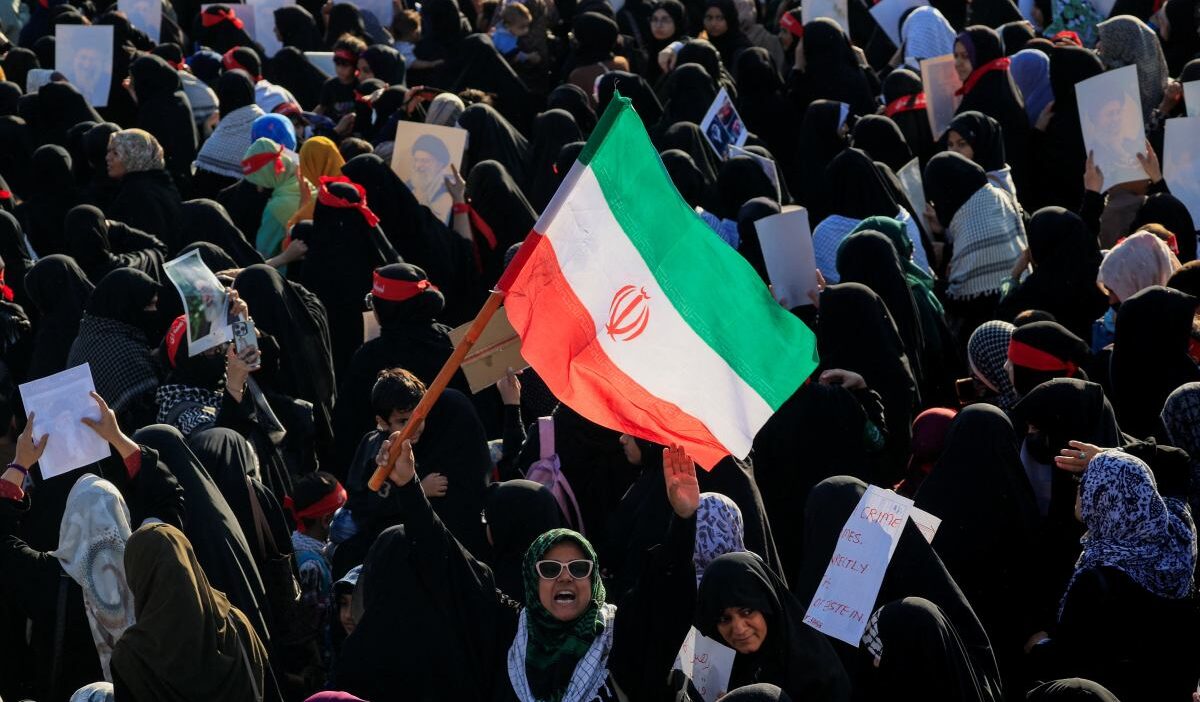
Iran’s Assembly of Experts will appoint a new Supreme Leader within two days after the death of Ayatollah Ali Chamenei in US-Israeli airstrikes.
Iranian Assembly of Experts Will Soon Choose a Leader
The previous leader of Iran – Ayatollah Ali Chamenei, died along with his closest colleagues in the first day of US-Israeli air strikes, February 28, which caused a power vacuum, unprecedented in the 47-year history of the Islamic Republic. Chamenei was only the second person to hold the position of Supreme Leader.
Meanwhile, Iranian parliamentarian Mohsen Zangeneh announced on Friday, March 6, that the new Supreme Leader of Iran will be appointed within two days. He added that both final candidates “would reluctantly accept this position”.
Contradictory Reports on Election Timeline
In recent hours, contradictory reports have emerged regarding the timeline for electing Iran’s new leader. A high-ranking member of the Assembly of Experts told state media that the process is “close to completion”, while another member informed that the duration of the process is “unclear”.
International Reactions
Israel warned that any new leader will be a target for attack. Meanwhile, US President Donald Trump said that he “must be involved” in appointing a new leader of Iran, just as was the case with Venezuela.
Iran. Who Is the Supreme Leader?
The Supreme Leader is the highest religious and political authority in the Islamic Republic. This position gives powers incomparable to most other political systems. He is the commander-in-chief of the armed forces and exercises direct supervision over the judiciary, state media and the Guardian Council, which gives him effective veto power both over legislation and election candidates.
He has a decisive voice in foreign policy and broadly defined domestic policy. This position is for life. The decision on the choice of candidate is made by the Assembly of Experts, consisting of 88 Islamic scholars elected for an eight-year term.
The Appointment Process
However, before the Assembly makes its final decision, the candidate must first be verified and approved by the Guardian Council – a 12-member body whose members are appointed by the Supreme Leader and the Head of the Judiciary (also appointed by the Supreme Leader). As a result, a structure functioning in a closed circuit is created: the Supreme Leader approves persons authorized to sit in the body whose constitutional task is not only to choose the most important person in the state, but also to supervise him, and even to remove him from office.