Washington and Tehran have reportedly reopened a direct communication line through intermediaries despite a history of failed negotiations and military actions.
Initial Breakdown in Talks and Military Action
Negotiations between Washington and Tehran regarding Iran’s nuclear program collapsed following a US-Israeli attack on Iran on February 28th, halting dialogue between the two countries. On March 2nd, Ali Laridjani, Secretary of Iran’s Supreme National Security Council, stated Iran would no longer negotiate with the US.
Former US President Donald Trump subsequently stated Iran had expressed a desire to talk, to which he responded, “Too late!”
Re-establishment of Communication Channel
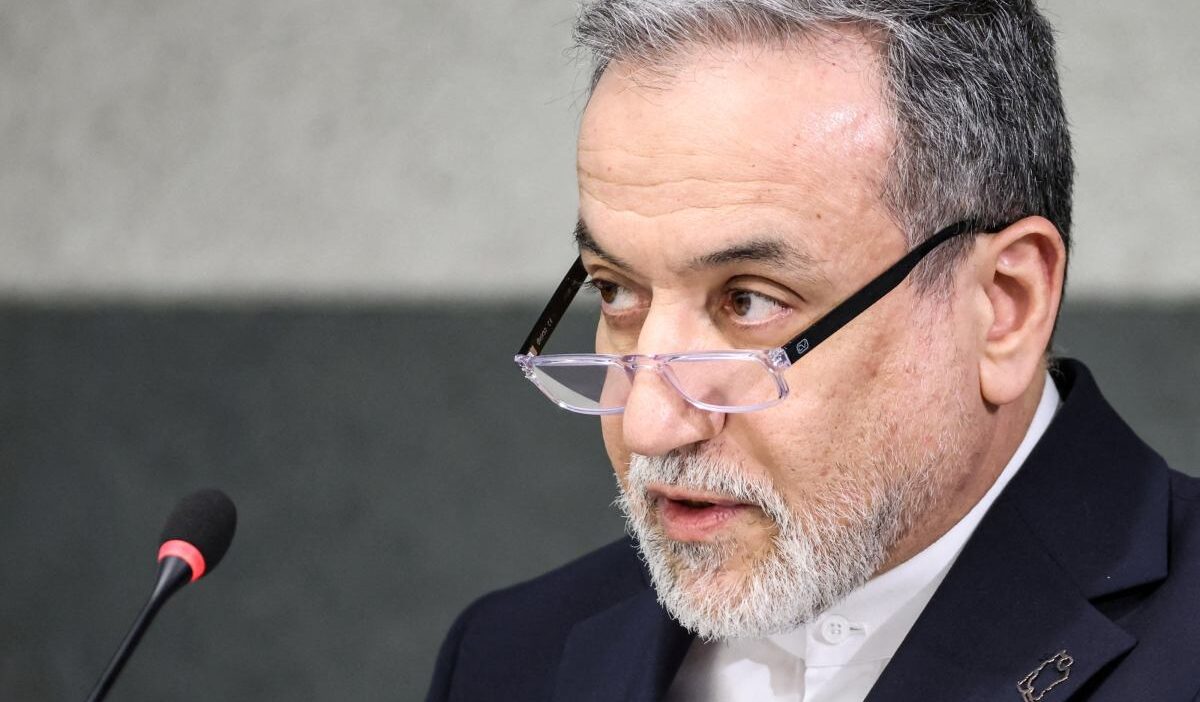
Axios reported that a “direct channel of communication” was recently re-established between Donald Trump’s envoy Steve Witkoff and Iranian Foreign Minister Abbas Araghchi, according to anonymous US officials and sources familiar with the matter. This marked the first known direct communication between the parties since the start of the conflict.
Iranian Official Denies Contact
Abbas Araghchi addressed these reports on X, stating his last contact with Witkoff occurred before his employer’s decision to “destroy diplomacy with another illegal military attack on Iran.” He was referring to the June “Midnight Hammer” operation, where the US attacked three Iranian nuclear facilities.
Araghchi asserted that any claims to the contrary were intended to mislead oil traders and the public.
Joint US-Israeli Operation Against Iran
The Israel Defense Forces (IDF) and the US Armed Forces launched a joint operation to “completely destroy the Iranian terrorist regime.” The US Central Command (CENTCOM) reported attacks on command and control facilities of the Islamic Revolutionary Guard Corps, Iranian air defense systems, missile and drone launchers, and military airfields.
CENTCOM reported the deaths of commanders from the Islamic Revolutionary Guard Corps, including Supreme Leader Ali Khamenei. Iranian forces responded with attacks in the Middle East.
Impact of Musk’s Layoffs on Crisis Management
Mass layoffs implemented by Elon Musk resulted in the dismissal of employees with critical crisis management skills. Dominik Moliński writes that the conflict in Iran highlighted how these layoffs contributed to significant problems during the evacuation of Americans from the Middle East.