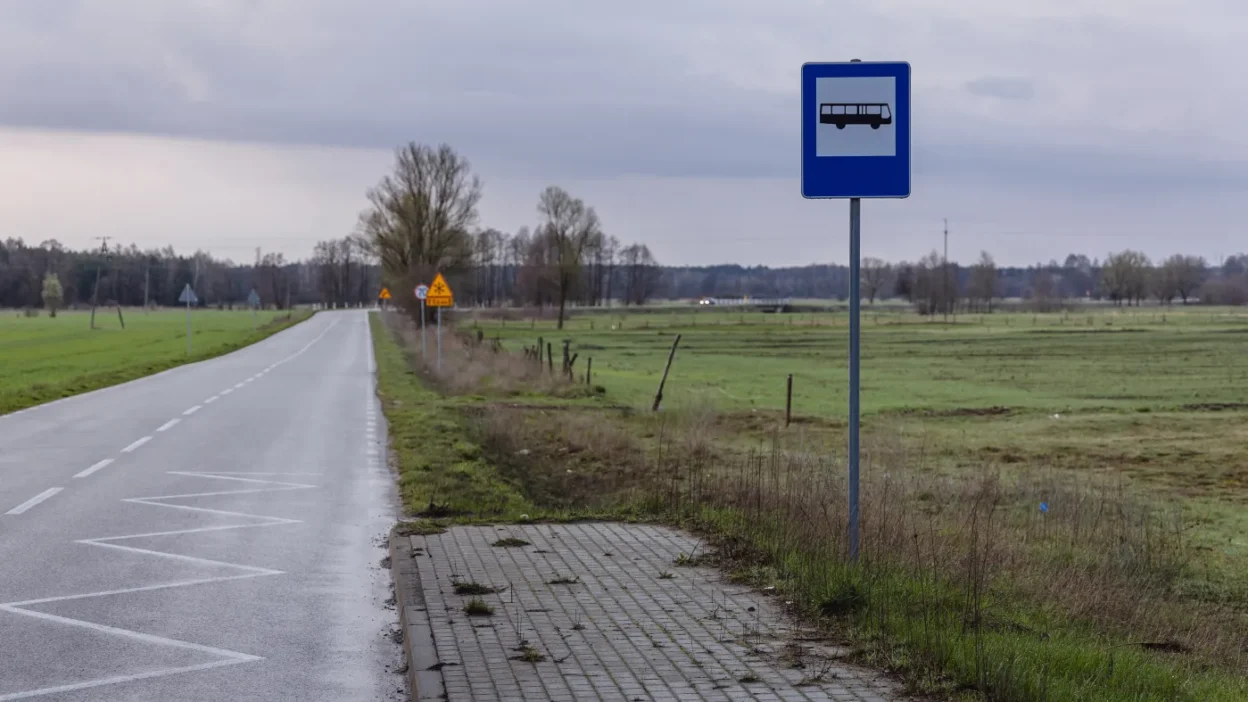
Polish rural municipalities are raising concerns that revisions to the bus fund allocation will exacerbate transport exclusion, shifting control to regional authorities.
Centralization of Transport Exclusion Measures?
Rural municipalities are warning of potential communication exclusion stemming from changes to the bus fund. The Association of Rural Municipalities of the Republic of Poland (ZGWRP) assesses that the proposed amendments to the regulations concerning the bus fund carry the risk of reversing the intended goal.
Shift in Fund Control to Voivodeships
The ZGWRP has responded to the new version of the draft amendment to the Act on public collective transport and other acts (UD232). The changes would make voivodeship marshals the integrators of transport in a given region. Funding from the bus fund would only be available to lines included in the voivodeship’s network scheme, a responsibility currently held by voivodes.
Initially, funds would prioritize counties, associations of counties, or county-municipal associations for lines providing minimal public transport services, shifting priority from municipalities. The plan also includes on-demand transport and minimum connection standards at voivodeship, county, and municipal levels.
Concerns Over Local Needs Being Overlooked
Rural municipalities highlight the new planning document – the voivodeship network scheme – where organizers will submit lines they believe combat transport exclusion. Inclusion in the scheme would open access to bus fund financing.
The ZGWRP argues that transferring the authority to define transport routes and their funding from municipalities to the voivodeship level, without mechanisms to guarantee local needs are considered in higher-level plans, is problematic. This could diminish the influence of municipalities, particularly rural and small ones, on their own public transport, contradicting the law’s stated goal of preventing transport exclusion.
Funding Priority Shift Disfavored by Municipalities
Rural municipalities object to being relegated to the end of the funding queue after the changes. The voivodeship marshal would distribute funds, prioritizing the region, followed by counties, associations of counties, and county-municipal associations for lines providing minimal public transport services.
Ministry Justifies Changes with Coordination Concerns
The Ministry of Infrastructure argues that the new proposed order of priority for subsidies addresses the fragmentation of public transport organizers in Poland, leading to disorganized and uncoordinated services.
ZGWRP Warns of Increased Inequality
However, the ZGWRP contends that this solution leads to unequal access to funding and favors concentrating resources in larger centers at the expense of rural areas, which need support the most. Local authorities argue that municipalities are the primary organizers of local transport and best understand residents’ needs.
Potential for Worsened Exclusion in Rural Areas
The ZGWRP assessment concludes that the proposed solutions, despite their declared goal of reducing transport exclusion, may worsen it in rural areas and small municipalities through excessive centralization of transport decisions, limiting the role of municipalities in planning and funding, and creating structural barriers to fund access for those most in need of support. The ZGWRP appeals for modification of the draft.