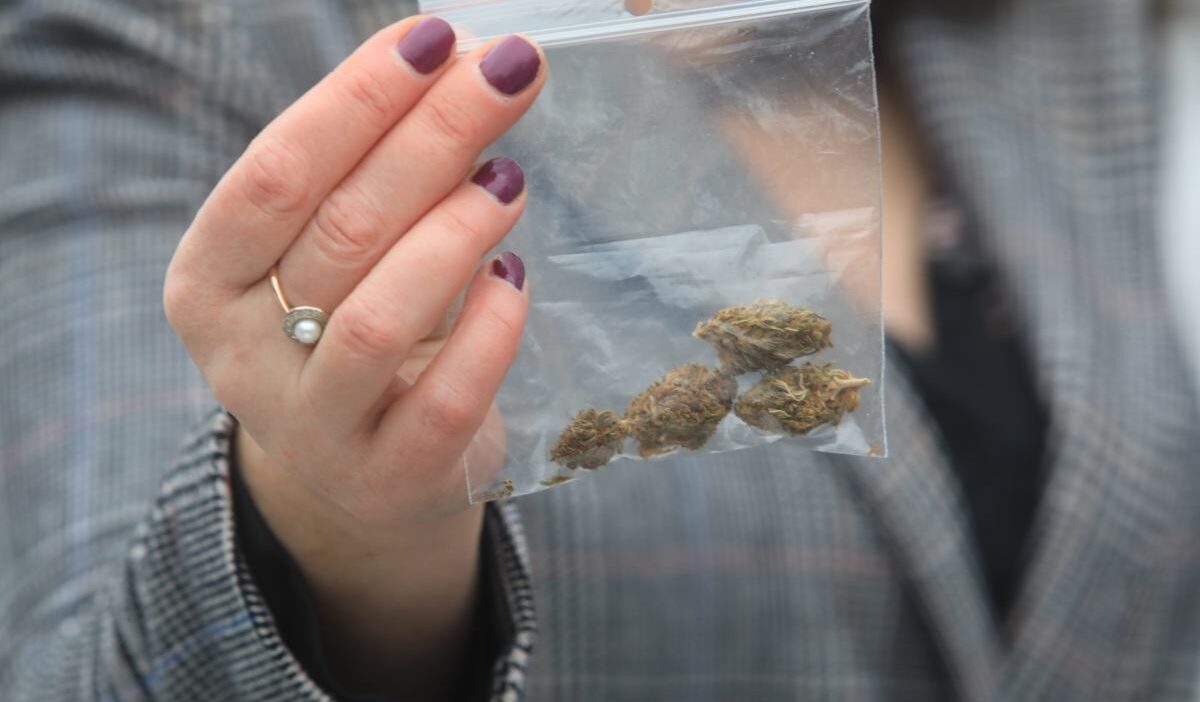
A review of 54 randomized studies spanning 1980-2025 found no evidence that cannabinoids effectively treat anxiety disorders, PTSD, or psychotic symptoms.
Study Analyzes Decades of Research
Researchers conducted a review of 54 randomized studies published between 1980 and 2025, considered the gold standard for evaluating therapy effectiveness. The team, led by Dr. Jack Wilson of the University of Sydney, found no evidence supporting the effectiveness of cannabinoids in treating anxiety disorders, PTSD, or psychotic symptoms.
In the case of depression, researchers noted a lack of high-quality randomized studies to confirm the effectiveness of such treatment.
Administration Methods Questioned
The analyzed studies primarily administered marijuana orally – in capsules, oils, and sprays. Researchers also questioned the use of inhaled forms, most commonly associated with smoking cannabis.
“There is even less evidence that this form helps with mental disorders,” stated the Australian specialist in a CNN interview. The substances most frequently evaluated were CBD, THC, and a combination of both compounds. Dr. Wilson emphasized that the lack of confirmed effectiveness of marijuana could delay the implementation of therapies with proven efficacy – SSRI medications and cognitive-behavioral psychotherapy.
Researchers also noted generally mild to moderate side effects, which could raise questions about the safety of long-term use.
Increased Risks for Adolescents
Additional concerns relate to young people. A cohort study published this year in “JAMA Health Forum” showed that cannabis use by adolescents was associated with an increased risk of later diagnosis of psychotic, bipolar, depressive, and anxiety disorders.
The strongest association was with bipolar psychosis, which is often prescribed in the USA during this period. The review authors from “Lancet Psychiatry” noted that cannabis may have applications in other areas of medicine, but its effectiveness in treating commonly indicated mental disorders has not been confirmed.
Medical Marijuana Applications
Medical marijuana contains appropriate proportions of CBD (cannabidiol), which has no psychoactive effect and does not intoxicate, and THC (tetrahydrocannabinol), a psychoactive compound. It is successfully used in the form of cannabis flower in many conditions when conventional treatments are ineffective or as supportive therapy.
These most often include chronic pain, spasticity in multiple sclerosis, epilepsy, and cancer diseases. Medical marijuana is also helpful in palliative care.