Poland’s government is considering a temporary VAT reduction on fuels as escalating tensions around Iran drive up global oil prices and fuel costs.
Fuel Prices and Potential Tax Measures
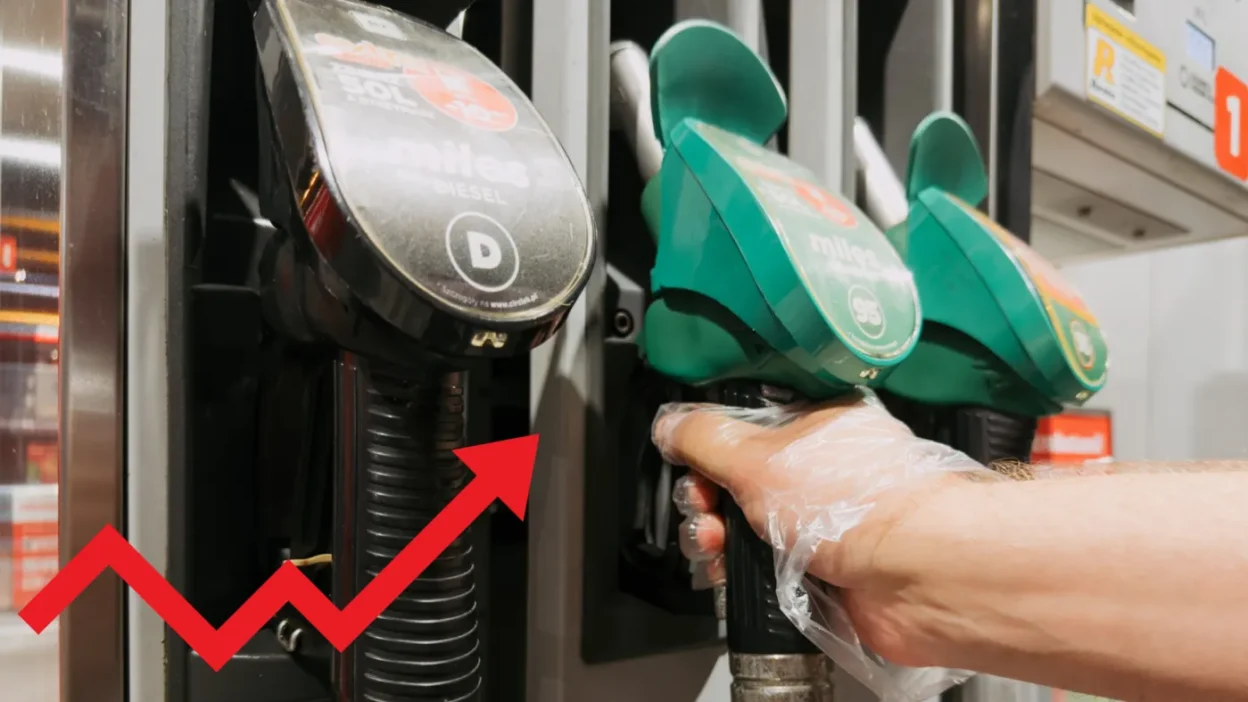
Rising oil prices are translating into higher prices at Polish gas stations, prompting the government to consider measures to shield consumers.
The government is evaluating potential interventions, with a temporary reduction in VAT on fuels being the most likely option. Decisions will depend on the geopolitical situation and market reactions.
Geopolitical Pressures on Oil Markets
Escalating conflict around Iran is putting significant pressure on global oil prices, impacting fuel costs across Europe, including Poland.
Investors are increasingly factoring in the risk of disruptions to oil supplies from the Middle East, leading to higher prices at the pump.
Government Analysis and Potential VAT Reduction
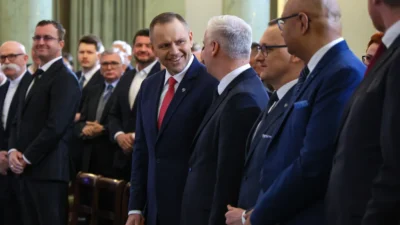
Finance Minister Andrzej Domański, speaking at the CEE Capital Markets 2026 conference in London, stated the government is analyzing available response tools.
“We will use tools that are appropriate to the market situation. The most likely tool to use is a temporary reduction in VAT on fuels,” Domański emphasized.
Decision Timing and Supply Concerns
No decisions have been made yet regarding the scale or timing of any potential VAT reduction.
The government is monitoring developments in commodity markets and prioritizing the continuity of fuel supplies, aiming to avoid past availability issues.
Impact on Inflation and the Economy
Rising oil prices are not only affecting fuel costs but also contributing to broader inflationary pressures throughout the economy, impacting transportation, production, and service prices.
Inflationary Estimates
The Finance Minister indicated it is too early to revise inflation forecasts, but the conflict’s impact will be visible in annual data, potentially increasing inflation by approximately 0.3–0.4 percentage points.
Economic analyses suggest that a sustained $10 increase in oil prices per barrel could raise inflation in EU countries by 0.2–0.3 percentage points, with Poland potentially experiencing a stronger effect due to its cost structure.
Broader Economic Challenges
Poland, like other countries, faces simultaneous pressures from inflation, geopolitical tensions, and the financing of public expenditures, including growing defense spending.