Switzerland’s Patriot missile and F-35 fighter jet acquisitions are years behind schedule, significantly over budget, and marred by alleged U.S. pressure, according to reports.
Delayed Patriots, Billions More Expensive
Information on the matter surfaced through Swiss public broadcaster SRF, and was officially confirmed by Urs Loher, the chief Swiss government official responsible for arms procurement. According to SRF, the Americans pressured him not to disclose the specific amounts involved.
Loher stated the amount was a “low three-digit figure,” interpreted as “over 100 million francs.”
Patriot and F-35 Programs in Crisis
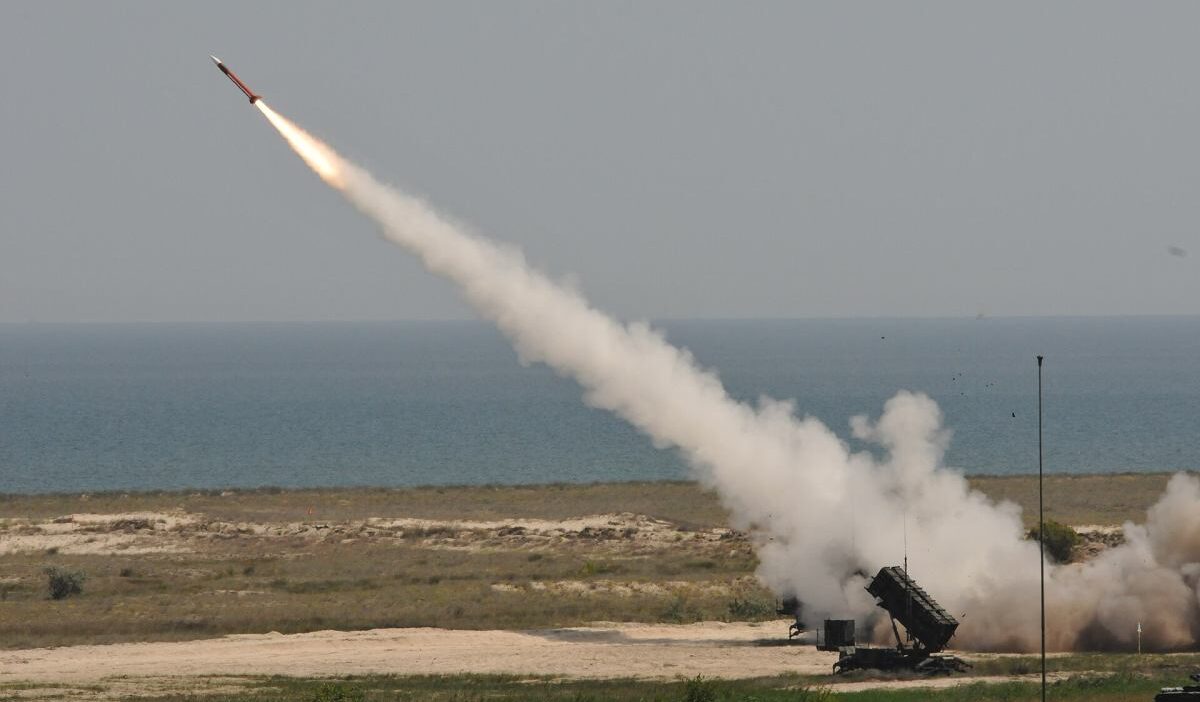
The issues concern Switzerland’s two largest arms programs, implemented with U.S. assistance: the purchase of Patriot air and missile defense systems for approximately 2 billion francs, and F-35 multirole fighter jets for 6 billion francs. Initial contracts for both systems were signed in 2022.
Both programs have encountered significant problems, sparking considerable controversy in Switzerland, primarily related to timelines and costs, as well as a growing loss of faith in the U.S. as a reliable partner.
Payments Diverted, Delivery Delays Extended
Switzerland unilaterally suspended payments for the Patriot systems when it became clear deliveries would be substantially delayed. As of that point, 700 million francs had already been transferred to the U.S. The Swiss government sought to express its dissatisfaction with the situation and object to a “lack of communication from the Americans.”
The U.S. reportedly informed the Swiss that the weapons allocated to them would be transferred to Ukraine, considered a more important recipient. In February, it emerged that delivery delays would be 4-5 years, pushing the expected arrival to 2030-31 instead of this year. The purchase cost could increase by as much as 50 percent, to 3 billion francs.
U.S. Funds Patriots with F-35 Money
The U.S. apparently used funds allocated for the Patriot contracts from the pool being transferred for the F-35 program. This led Switzerland to urgently cover a deficit on the F-35 account at the end of 2025, requiring tens of millions of francs. Loher defended the decision to suspend payments, stating it was intended to compel greater transparency from the U.S.
Loher stated that Switzerland now has a clearer understanding of the situation and will negotiate changes to the contracts and a suspension of Patriot payments, but acknowledged “the balance of power in this situation is clear.”
Political Fallout and Concerns Over FMS Contracts
Werner Salzmann, a member of the Council of Cantons (one of the two chambers of the Swiss parliament) from the right-wing SVP party, commented to SRF that increasing problems with the interpretation of Foreign Military Sales (FMS) contracts should prompt Switzerland to reconsider entering into them at all. He added that his “trust in the USA has suffered.”
Priska Seiler-Graf, a member of the Council of Cantons from the left-wing SP party, had previously called for the complete abandonment of the Patriot purchase and now feels “vindicated.” She believes arms purchases from the U.S. should be minimized.
F-35 Costs Also Rising
Salzmann’s concerns about FMS contract interpretation also relate to issues with the F-35 contract. Last summer, the U.S. informed Switzerland that the cost of the program to purchase 36 aircraft had increased, requiring an additional 1.3 billion francs. Bern responded by deciding to purchase only 30, prioritizing staying within the approved budget.
The budget was approved in a nationwide referendum in 2020, with voters narrowly approving the purchase of new fighter jets (without specifying the type) for 6 billion francs. The margin of victory was less than 1 percent, with a turnout of 59 percent, highlighting the controversial nature of the F-35 acquisition.
Contract Misunderstandings and Price Increases
The decision to reduce the F-35 order was accompanied by controversy, as it emerged that politicians and officials negotiating the initial 2022 contract apparently misunderstood or deliberately misrepresented its terms to the public, specifically regarding the price. Switzerland sought to guarantee a fixed price to respect the voters’ will.
Former Defense Minister Viola Amherd publicly presented the situation as if this had been achieved. However, it now appears the U.S. never agreed to this and did not change the rules for FMS contracts, which stipulate that the price paid by a foreign buyer is the same as that paid by the U.S. military. If the U.S. military price increases (due to inflation, for example), the foreign buyer also pays more.
Seiler-Graf commented in January to “Neue Zürcher Zeitung” that the standard FMS terms are clear and she doesn’t understand how anyone could have believed the U.S. made an exception for Switzerland.
Understanding the FMS System
FMS (Foreign Military Sales) is one of two main methods of arms procurement in the U.S., established by legislation in the 1970s. It involves contracts being made not directly with private companies, but with the U.S. government, which then orders the weapons from manufacturers as if for its own use and ultimately delivers them abroad.
This allows buyers to leverage the U.S. government’s extensive administrative structure for procurement, logistics, and training. FMS also means the U.S. government cannot profit or lose money on the transaction, but the buyer covers all administrative costs. As a result, the price of weapons is not negotiable, being determined by what the U.S. military pays.
Inflation and the F-35 Price Hike
In the case of the F-35, Switzerland was primarily affected by U.S. inflation. The U.S. orders the aircraft from Lockheed Martin in successive “Lots,” with terms negotiated separately. In recent years, this has resulted in price differences of up to 15 percent per aircraft. The largest increases are expected in the F-135 engines, which cost around $15 million each in 2024-25, but now cost around $20 million.
The U.S. made it clear from the outset that the foreign buyer would bear this risk under the FMS system, meaning Switzerland would have to pay more if the price estimated at the time of contract signing differed from the actual production price years later. Switzerland either understood or wanted to understand that the agreed-upon amount would be binding, but now must either pay more or buy fewer aircraft, as it has decided to do.