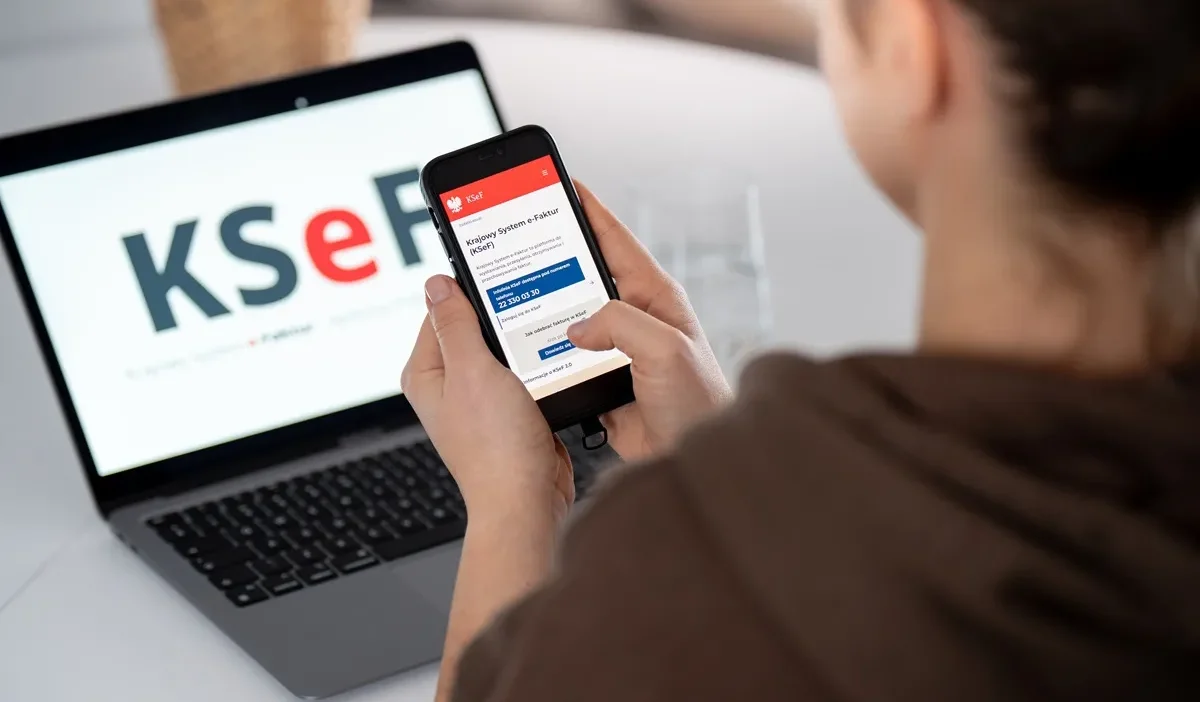
Despite assurances from the Ministry of Finance, thousands of Polish companies remain outside the National E-Invoice System (KSeF) as the deadline approaches.
KSeF Implementation: Current Status
Thousands of firms are still not integrated into the KSeF system, but the Ministry of Finance remains optimistic. Deputy Minister of Finance and Head of the National Tax Administration, Marcin Łoboda, believes that e-invoices will become as commonplace as e-prescriptions within a year, bringing practical benefits to all.
Participation and Obligations
As of recently, 311,000 businesses have joined the National E-Invoice System, with approximately 5,200 of the largest firms mandated to use it. The question arises: how many obligated companies have yet to register?
Voluntary Adoption and Integration Challenges
Marcin Łoboda noted the encouraging number of companies voluntarily adopting the system, even without a legal obligation. A small percentage of obligated entities have not yet begun issuing invoices through KSeF, primarily due to delays in integrating internal software. However, no penalties will be imposed for these delays, with 2026 designated as a period for refinement and learning.
Voluntary Adoption Figures
306,000 companies have voluntarily started issuing invoices in KSeF before the deadline. Concerns exist whether this is due to anticipated increased scrutiny of non-compliant businesses, or the expectation that KSeF will alleviate the burden of invoice storage.
Focus on Support and Benefits
The Ministry’s primary goal is to effectively assist businesses in mastering the new requirement. Concerns about penalties for not issuing invoices through KSeF are unfounded. Companies that have implemented the system early have already begun to experience benefits, including convenient invoice storage, improved document access, and increased automation.
KSeF 2.0 and Future Development
The Ministry will develop its own applications linked to KSeF. The development of independent applications connected to KSeF is also being monitored, with potential functionalities being explored.
Upcoming KSeF 2.0 Features
Current efforts focus on improving KSeF’s functionality, including streamlining the reporting of “scam” invoices within the Taxpayer Application KSeF and enabling direct reporting via the KSeF 2.0 API. From April 1, 2026, voluntary issuance of VAT RR and VAT RR correction invoices will be available. Visual changes will also be implemented in the Taxpayer Application KSeF 2.0 for improved usability, with future features including invoice hiding and a collective identifier for bulk e-invoice payments starting January 1, 2027.
Third-Party Tools and API Access
Decisions regarding the functionalities of commercial tools rest with the software creators. The Ministry has provided the KSeF 2.0 API, granting integrators access to the system’s core capabilities. However, suppliers are best positioned to understand the needs of their clients and tailor solutions accordingly.
Early Benefits and Fraud Detection
It is too early to assess the full impact of KSeF on curbing the shadow economy and detecting illegal tax practices. The obligation currently applies to only a few thousand entities, and data analysis takes time. Specialized analytical and control units will be established within tax offices to analyze KSeF data and other sources, aiming to reduce burdensome audits.
KSeF and VAT Carousel Schemes
KSeF, not encompassing foreign companies, is a valuable tool against VAT carousel schemes, which often conclude abroad to obtain VAT refunds. The system operates within Poland’s borders, consistent with the EU derogation authorizing mandatory KSeF implementation. The planned VIDA system, launching in 2030, will include invoices documenting intra-community transactions.
Economic Insights from KSeF Data
The Ministry has not conducted analyses to determine if there was a growth in the number of invoices issued in March compared to February. KSeF is not designed for such purposes, and access to data is strictly regulated to prevent unwarranted scrutiny of businesses.
Future Amendments and Authorizations
The Ministry does not rule out future amendments to KSeF. They will analyze the needs of businesses, especially smaller entities, and consider changes to authorization tools, including the use of tokens. Any changes will be communicated in advance.