The European Union anticipates a prolonged energy crisis, citing the blockage of the Strait of Hormuz as a significant contributing factor.
EU Foresees Prolonged Energy Crisis
European Commission energy spokesperson Anna-Kaisa Itkonen stated on Wednesday in Brussels that the current energy crisis, marked by high prices, will not be a short-term phenomenon.
Itkonen emphasized that the blockade of the Strait of Hormuz significantly exacerbated the crisis.
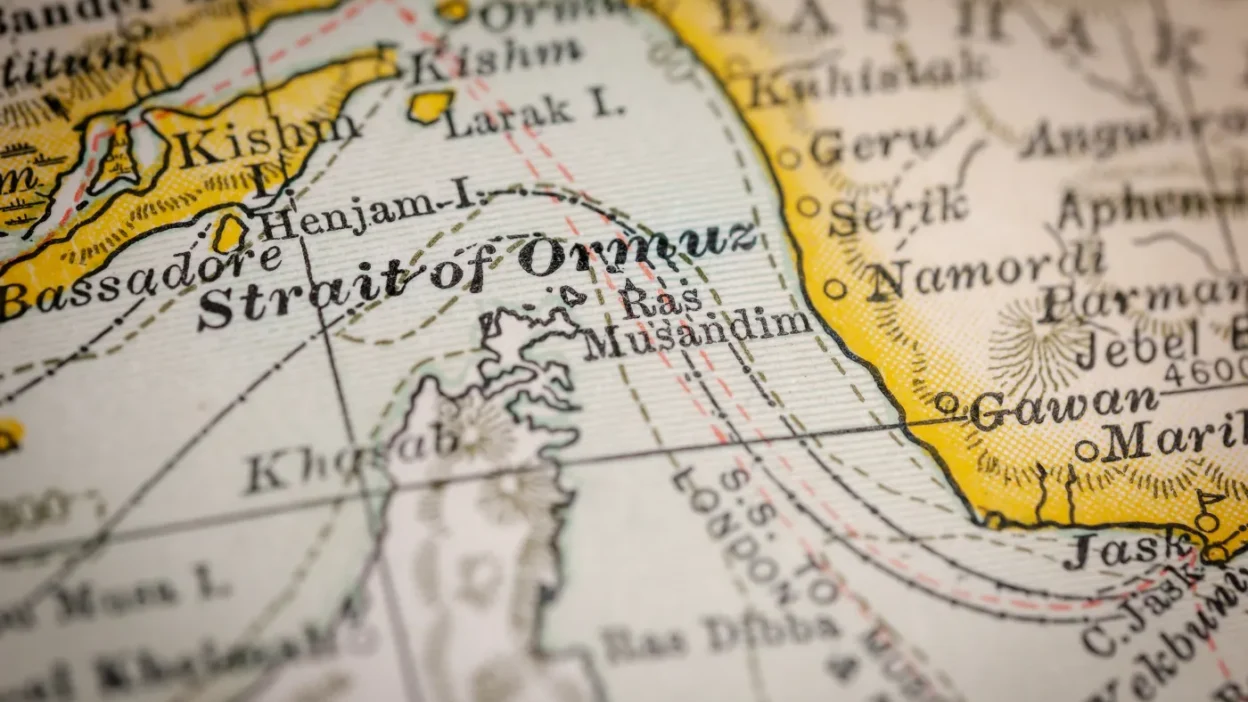
Strait of Hormuz: A Critical Energy Chokepoint
Approximately 8.5 percent of the liquefied natural gas (LNG) and around 7 percent of crude oil and petroleum products imported by the EU pass through the Strait of Hormuz, primarily from Iraq, Kuwait, Saudi Arabia, and the United Arab Emirates.
The proportion is even higher for aviation fuel and diesel, with roughly 40 percent transported through the strait from the Middle East to Europe.
Global Energy Flow Through Hormuz
Globally, 20 percent of both oil and LNG transit the Strait of Hormuz, making it a critical point for energy transport.
The blockage had a serious impact on the energy market crisis, both within the EU and worldwide.
Temporary Resolution Following US-Iran Agreement
Prior to February 28th, when the Israel-US conflict with Iran began, approximately one-fifth of the world’s oil and LNG volume was transported through the Strait of Hormuz.
The United States and Iran agreed to a two-week ceasefire on the night of Tuesday to Wednesday, which includes the reopening of the Strait of Hormuz.