Following a US-Iran agreement on a two-week ceasefire, Wall Street experienced significant gains Wednesday, with the Dow Jones Industrial Average posting its largest increase since April 2025.
Wall Street Surge and Market Optimism
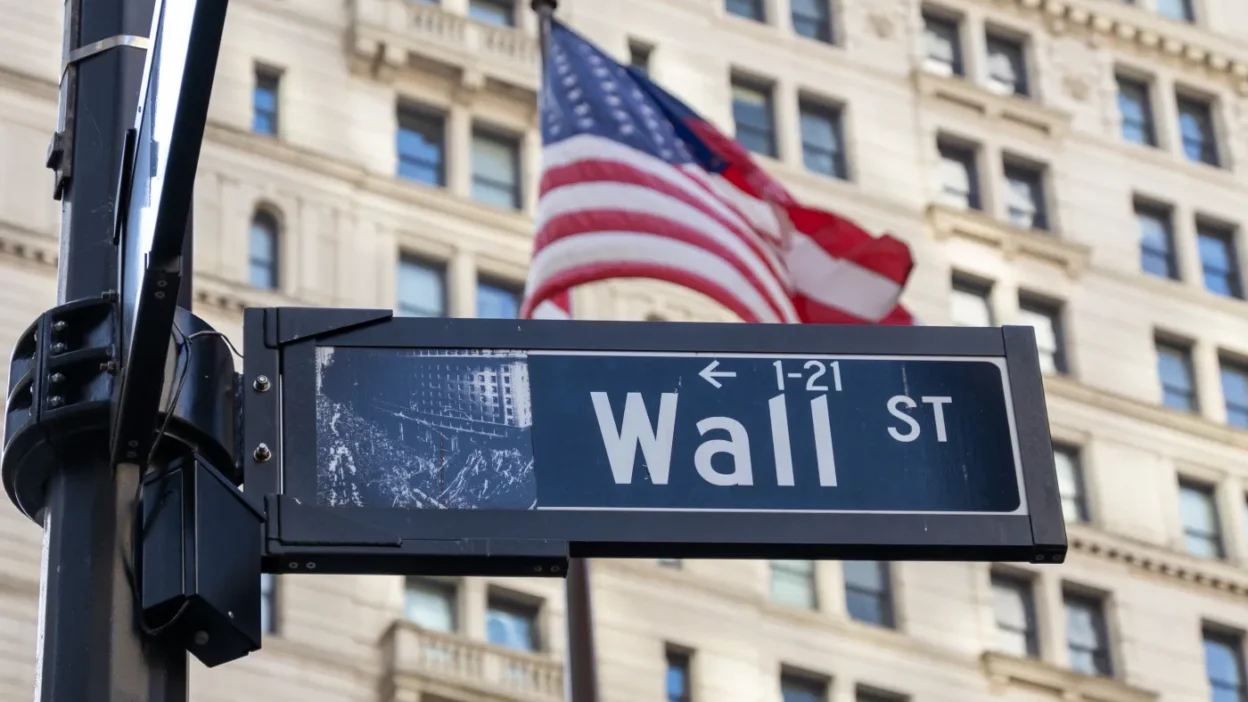
Wednesday’s session on Wall Street saw strong gains, with the Dow Jones Industrial Average (DJI) recording its largest increase since April 2025. Markets reacted optimistically to the agreement of a two-week ceasefire in the conflict between the US and Iran, leading to a sharp decline in oil prices.
The Dow Jones Industrial Average closed up 2.85% at 47,909.92 points.
Key Index Performances
The S&P 500 rose 2.51% to close at 6,782.81 points. The Nasdaq Composite increased by 2.8% to 22,634.995 points. The Russell 2000 index of mid-cap stocks gained 2.97% to 2,620.46 points. The VIX index decreased by 18.39% to 21.04 points.
Ceasefire Details and Initial Reactions
Investors are assessing news from the Persian Gulf. The US and Iran agreed to a two-week ceasefire on Tuesday, just an hour before the deadline of Donald Trump’s ultimatum, which threatened Iran with destruction. Tehran agreed to temporarily open the Strait of Hormuz.
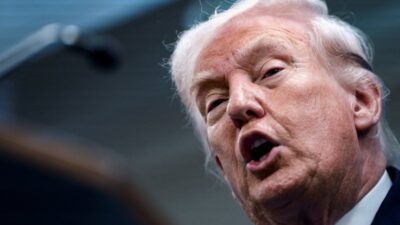
Upon announcing the suspension of plans to escalate attacks on Iran, Trump stated he had received a 10-point proposal from Iran that formed “a practical basis for negotiation.”
Trump’s Assessment and White House Confirmation
“Almost all of the disputed issues from the past have been agreed upon between the United States and Iran, and the two-week period will allow for the finalization and conclusion of an agreement,” the US President stated.
The White House confirmed that Israel also agreed to the ceasefire. Israeli Prime Minister Benjamin Netanyahu clarified that the agreement does not include a ceasefire with Lebanon, and the Israeli military called for the evacuation of residents in southern Lebanon. President Trump confirmed to PBS that the ceasefire with Iran does not concern Lebanon or Israel’s attacks on Hezbollah targets.
Upcoming Negotiations and Analyst Concerns
The White House announced Wednesday that the first round of peace talks between the US and Iran will take place on Saturday in Pakistan, with Vice President J.D. Vance leading the American delegation.
Many analysts and investors believe the prospect of lasting peace remains uncertain. Josh Gilbert of eToro stated that the rally needs to be supported by tangible progress in negotiations, specifically regarding the permanent opening of the Strait of Hormuz and a durable agreement. He warned of a sharp reversal if no agreement is reached within two weeks.
Kiran Ganesh of UBS Global Wealth Management noted that some risks remain, and investors should not be surprised by renewed escalation or disappointment regarding energy transport through the Strait of Hormuz. However, he deemed the ceasefire announcement a positive event.
Uncertainty Regarding the Strait of Hormuz and Alleged Violations
Experts point to continued uncertainty regarding traffic through the Strait of Hormuz. Iran’s state news agency Fars reported Wednesday that tanker traffic through the strait was halted following an Israeli attack on Lebanon. The Chairman of the Iranian Parliament, Mohammad Bagher Ghalibaf, stated that the United States had already violated the two-week ceasefire agreement, highlighting growing distrust between the two countries.
Oil Price Decline and Sector Impact
West Texas Intermediate crude oil futures fell by over 16% on Wednesday, closing at $94.41 per barrel, marking the largest daily drop since April 2020. Brent crude oil futures for June delivery fell approximately 13% to $94.75 per barrel.
US energy stocks followed global oil prices downward, with Exxon Mobil losing 4.7% and Chevron falling 4.3%.
Sector Gains and Fed Minutes
Conversely, stocks that had been under the most pressure since the conflict began rose. Producers of semiconductors, vulnerable to supply chain disruptions, saw gains, with Broadcom rising 5% and Micron Technology increasing 7.7%.
Minutes from the latest Federal Reserve meeting indicated that Fed representatives view the risks from the conflict with Iran as two-sided. The minutes also suggested that sustained high inflation could justify interest rate hikes.
“A large majority of participants judged that the risks to the outlook for inflation and employment were elevated, and most participants noted that these risks had increased with the evolution of events in the Middle East. In particular, a majority of participants at the meeting expressed concerns that a prolonged conflict in the Middle East could lead to further deterioration in labor market conditions, which could warrant further rate cuts, as significantly higher oil prices could reduce households’ purchasing power, tighten financial conditions, and restrain economic growth abroad,” the minutes stated.