Negotiations are underway between the US and Iran, with Washington considering partial financial concessions linked to restoring full navigation through the Strait of Hormuz.
US Prepared for Concessions to Iran? Negotiations Underway
Unofficial understandings between the United States and Iran suggest a potential breakthrough regarding one of the world’s most important oil transport arteries. Diplomatic sources indicate Washington may agree to partial financial concessions to Tehran, directly tied to restoring full navigability through the Strait of Hormuz.
Key Element: Access to Frozen Funds
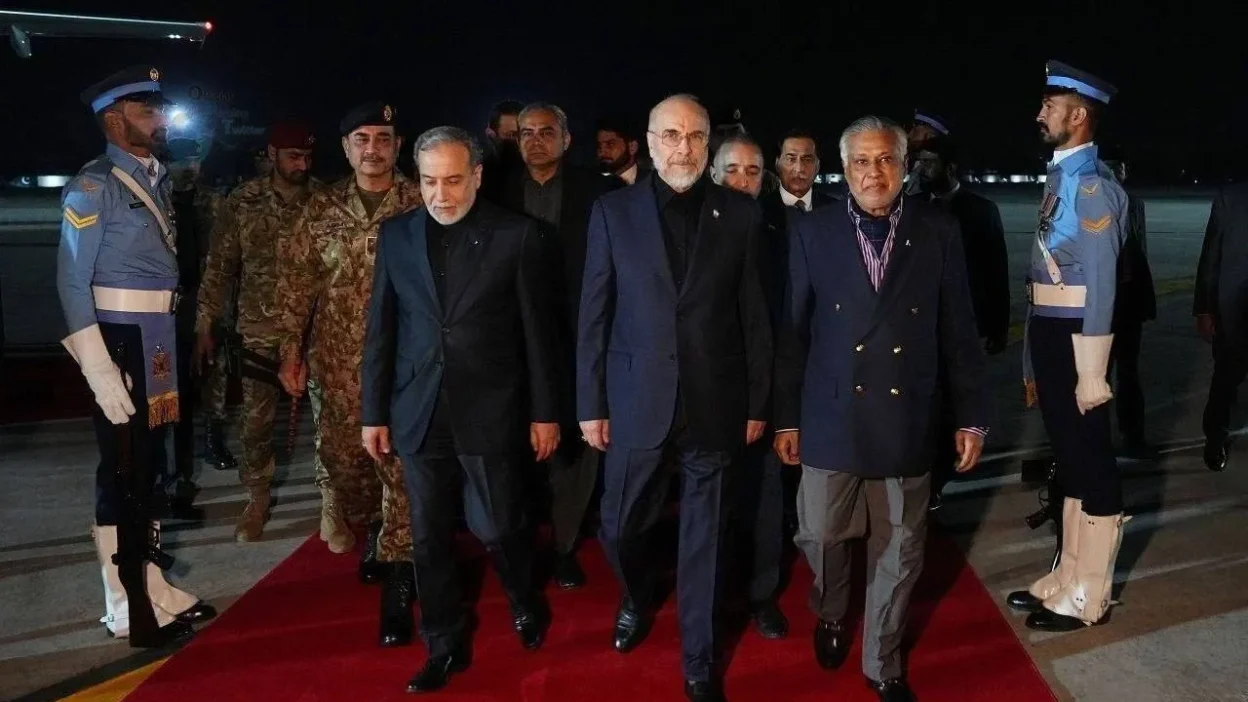
Discussions in Islamabad have centered on Iran’s access to frozen financial assets. The US is reportedly considering releasing some Iranian assets held in foreign financial institutions, including Qatar.
$6 Billion in Assets Under Consideration
The amount discussed is approximately $6 billion. These funds were originally blocked in 2018 following increased sanctions against Iran, and partially unblocked in 2023 as part of a prisoner exchange agreement. However, they were refrozen after the October 7, 2023, attacks by Hamas – an organization considered an ally of Iran.
Strategic Goal: Regional Stabilization
The renewed talks regarding unfreezing the funds are part of a broader strategy to stabilize the situation in the Persian Gulf region. Iranian representatives view this as a signal of willingness to compromise from Washington.
Strait of Hormuz: A Critical Global Trade Route
The Strait of Hormuz is a strategic point on the map of global energy commodity trade. Approximately 20 percent of the world’s oil supply is estimated to flow through this narrow passage. Any disruption to its functioning immediately translates to higher commodity prices and uncertainty in financial markets.
Recent Disruptions and Increased Military Presence
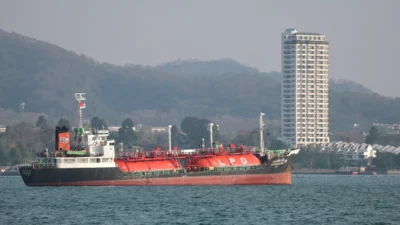
In recent weeks, there have been signals of hampered tanker transit and increased military presence in the region. Iran, which controls the northern coast of the strait, has repeatedly used its strategic importance as a tool of political pressure.
Potential Economic Consequences of a Blockade
Experts emphasize that even a partial blockade of this route could have serious consequences for economies dependent on oil imports, including European and Asian countries.
Trump’s Pressure and Escalation Threat
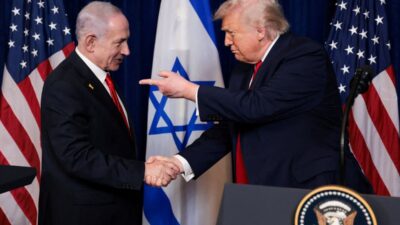
Former US President Donald Trump actively engaged in the negotiation process, putting pressure on the Iranian side even before talks began. He indicated that Tehran was using control of the strait as a form of short-term blackmail against the international community.
Demands for Free Navigation and Military Options
Trump stated he expected a swift restoration of freedom of navigation, while not ruling out a return to military action if no agreement is reached. These statements align with the broader strategy of the US administration, which combines political pressure with the possibility of economic concessions.
Regional Tensions and the Israel-Lebanon Conflict
Tensions remain in the region due to the Israel-Lebanon conflict, in which Hezbollah, supported by Iran, plays an active role. This further complicates the negotiation situation and increases the risk of uncontrolled escalation.
Diplomacy Amidst Regional Conflicts
The Islamabad talks are taking place in an exceptionally difficult geopolitical context. While a ceasefire is formally in effect in many flashpoints in the Middle East, the situation remains unstable. Difficulties in navigation through the Strait of Hormuz and incidents involving tankers are increasing pressure for a quick agreement.
US and Qatar Remain Reserved in Public Statements
The United States has not officially commented on reports of possible concessions. Qatari authorities, which play a significant role as a depository for Iranian funds, are also refraining from public statements.
US Focus on Regional Stability
US Vice President JD Vance, who traveled to Islamabad in connection with the talks, did not directly address the financial issues, focusing instead on the importance of regional stability for global security.
Potential Global Economic Impacts
Unblocking the Strait of Hormuz and related financial concessions could have far-reaching consequences for the global economy. Stabilizing oil supplies would mean reduced inflationary pressure in many countries and an improvement in energy markets.
Political Controversies Surrounding Asset Release
However, the decision to unfreeze Iranian assets could spark political controversy, especially in light of Iran’s past actions and its ties to armed organizations in the region.