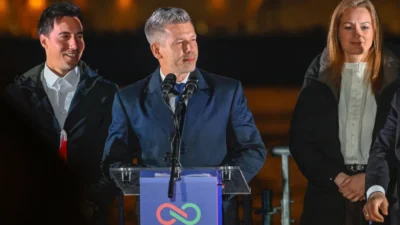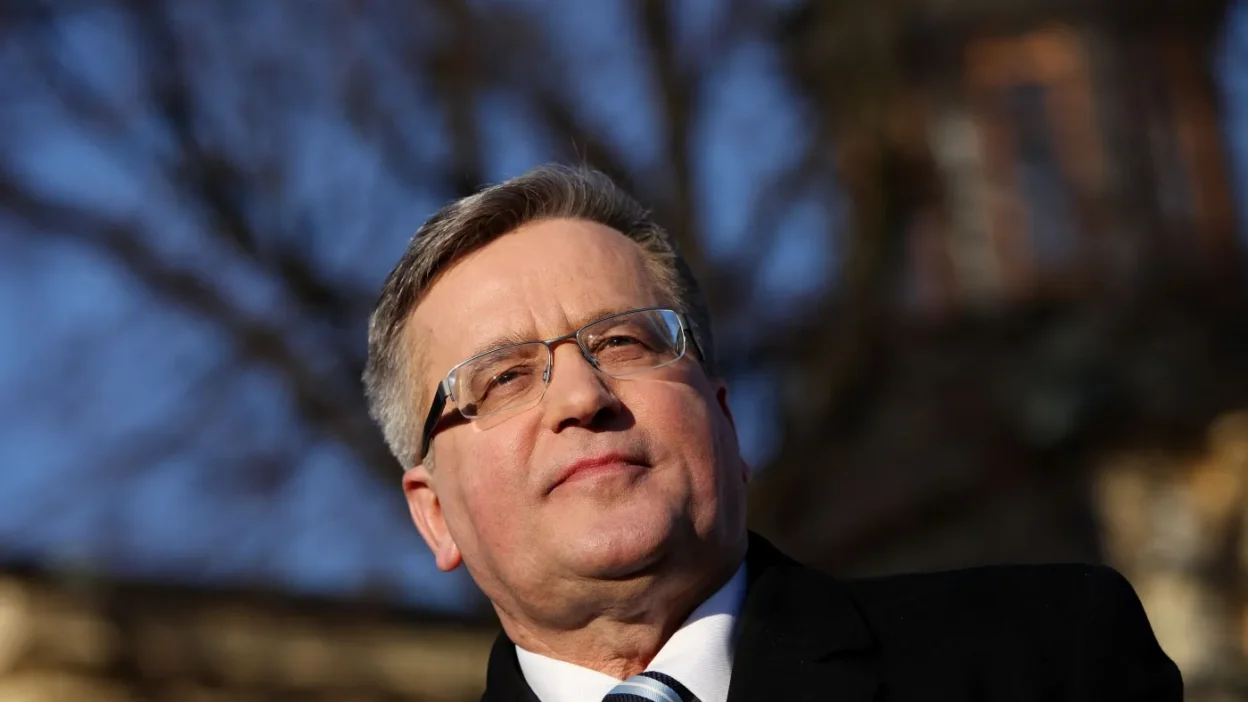
Bronisław Komorowski assesses the challenges facing Hungary’s new Prime Minister, György Magyar, following the opposition’s recent electoral success.
Reasons for the Opposition’s Success
The opposition’s victory is attributed to widespread fatigue with Viktor Orbán’s long-running government, which had lost its appeal and exhausted the Hungarian public with both his personality and policies.
Magyar’s Political Inexperience
Former President Bronisław Komorowski notes a distinction between winning elections and governing, suggesting that György Magyar lacks extensive experience in central politics despite his local government background and his wife’s former role as Minister of Justice. He wishes Magyar well but acknowledges the difficulty of overcoming such experience deficits.
The Strategy of a Moderate Conservative
The opposition strategically nominated a conservative candidate, György Magyar, a former member of Fidesz, who resonated with a broad spectrum of voters, including centrist and center-right individuals, thereby eroding support for Orbán.
Economic Concerns and EU Relations
Growing economic anxieties, exacerbated by Hungary’s conflict with the European Union and its alignment with Putin, contributed to Orbán’s defeat, as the country faced financial repercussions from the EU.
Implications for Poland and the V4
The victory could revitalize the Visegrád Group (V4), potentially leading to a restoration of cooperation between Poland and Hungary, and influencing neighboring Slovakia. Poland stands to benefit from regaining access to EU funds and strengthening regional defense.
A Return to Traditional Polish-Hungarian Relations?
The visit of Prime Minister Magyar to Warsaw signals a return to a traditionally friendly relationship between Poland and Hungary, contrasting with Orbán’s policies and rhetoric.
US Relations and the Trump Factor
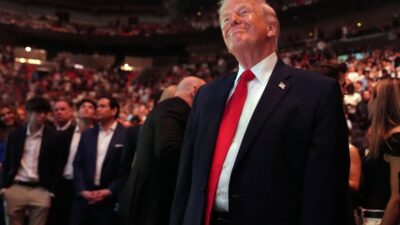
Both Hungary and Poland face a similar challenge in navigating relations with the United States, particularly concerning the distinction between pro-American sentiment and support for Donald Trump. Maintaining a positive relationship with the US, regardless of who occupies the White House, is crucial.
Political Costs for Trump and the Polish Right
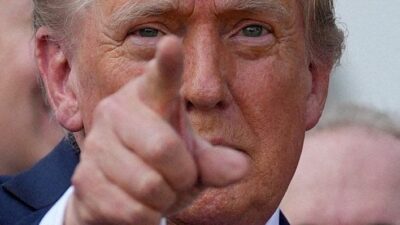
Orbán’s defeat represents a setback for Donald Trump, potentially damaging his image and raising questions about his influence. Polish President Andrzej Duda and the PiS party also face scrutiny for their support of Orbán.
The Fate of Ziobro and Romanowski
Magyar’s victory should prompt Zbigniew Ziobro and Marcin Romanowski to return to Poland and face the Polish justice system, rather than remaining political fugitives.
EU Benefits and a Shift Away from Obstructionism
Hungary’s change in leadership is positive for the EU, potentially fostering greater internal cohesion and effectiveness. It signals an end to Hungary’s role as a blocking force within the Union, particularly regarding policies towards the war in Ukraine and relations with Russia.
A Pragmatic Shift in Hungarian Foreign Policy
The new Hungarian government is expected to adopt a more pragmatic foreign policy, aligning with Western views on Russia and prioritizing business interests over political allegiance.
Challenges for Magyar: Coalition Unity
Despite the victory, Magyar faces the challenge of maintaining unity within the diverse coalition government, as internal party ambitions could threaten stability and lead to disagreements over policy direction.
The Difficulty of Governing vs. Winning
Winning elections is different from governing, and Magyar’s limited experience in central politics may pose challenges. Overcoming this lack of experience will be crucial for his success.