Following parliamentary elections in Bulgaria, thousands have protested alleged irregularities, while former President Rumen Radew, seen as pro-Russian, expresses willingness to form a stable government.
Election Protests and Allegations of Irregularities
More than three times the number of complaints were filed compared to the previous elections in October 2024. Deczew announced that six political formations were implicated in the reported electoral violations, including vote buying.
Thousands of election protests have erupted after voting in Bulgaria.
Parties Implicated in Violations
The majority of reported electoral offenses concerned the DPS-New Beginning party of oligarch Delian Peewski (631 complaints) and GERB, formerly led by Prime Minister Bojko Borisov (318). Nationalist Revival was mentioned in eighteen complaints, Progressive Bulgaria, led by former President Rumen Radew, in sixteen, the Bulgarian Socialist Party in thirteen, and the Continue the Change–Democratic Bulgaria coalition in eleven.
Investigations Launched
The Ministry of Interior received significantly more reports without specifying a particular party or coalition. Seventy-two investigations have been initiated against individuals with immunity, and a total of 614 cases have been opened – more than five times the number in 2024. Four hundred and twenty-five people have been detained.
Russian Railcars and Trump Deal
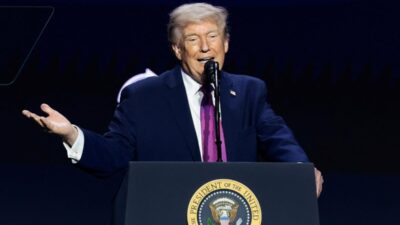
Despite sanctions, railcars marked with Cyrillic lettering continue to pass through Podlasie, reportedly as part of a deal between Trump and Lukashenko.
Preliminary Election Results
According to exit polls from several polling agencies, Progressive Bulgaria, led by former President Rumen Radew, won the early elections, securing between 35.5 and 39.2 percent of the vote. GERB followed with 15.1 to 17.5 percent, then Continue the Change–Democratic Bulgaria (13.1 to 14.1 percent), DPS-New Beginning (7.5 to 10.3 percent), Revival (4.9 to 5.9 percent), and the Bulgarian Socialist Party (3.9 to 4.1 percent).
Radew’s Stance and Political Alignment
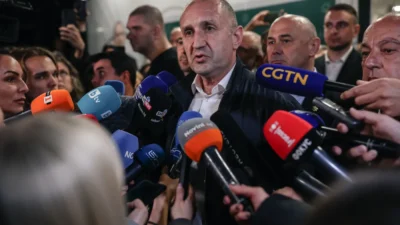
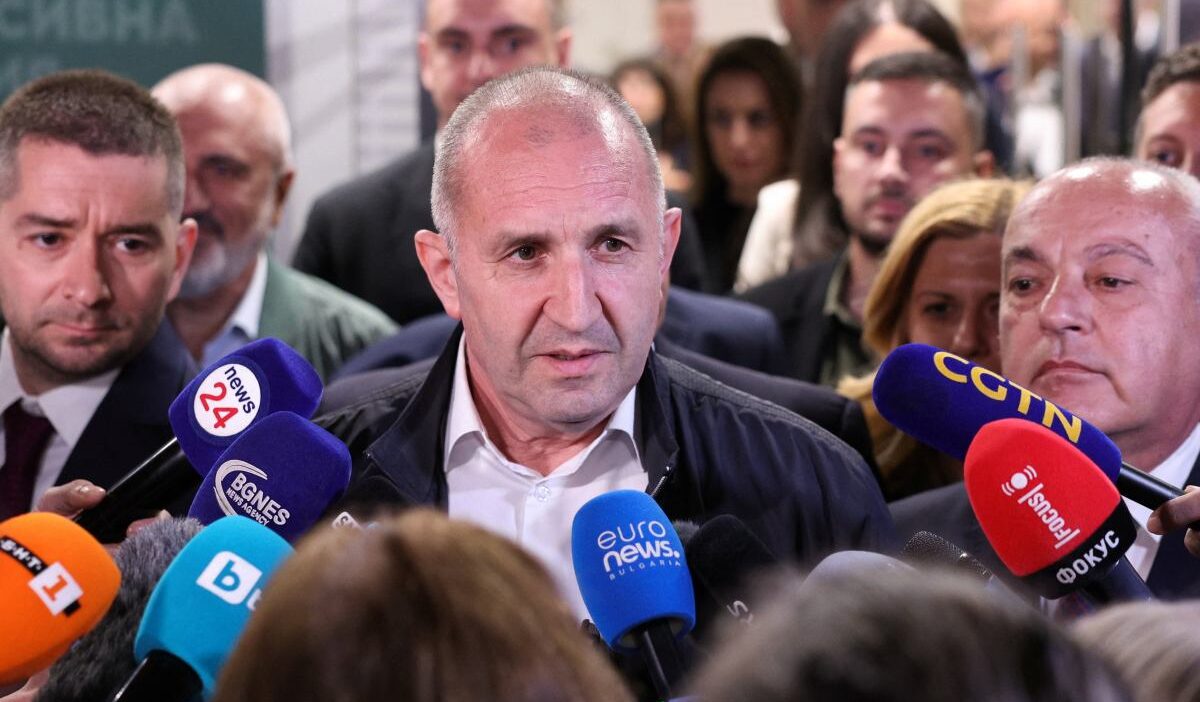
“We are ready for various options to ensure Bulgaria has a stable government. We will do everything possible to avoid the need to re-hold elections. That would be a catastrophe for Bulgaria, meaning falling from one crisis into another. We must work very seriously to get out of it,” stated former President Rumen Radew in his initial post-election commentary.
Radew campaigned on a platform of fighting oligarchy and creating conditions for economic development. The retired air force general is considered a politician with conservative views and pro-Russian sympathies, though he publicly avoids such associations. His campaign primarily targeted the protest electorate.
Background to the Elections
The early parliamentary elections were triggered by the resignation of Rosen Zhelyazkov’s government, which succumbed to pressure from mass social protests at the end of 2025. The immediate cause of the demonstrations was a draft budget bill for 2026, including a 2 percent increase in insurance contributions and substantial New Year’s bonuses for officials and security service personnel. Protesters also opposed systemic corruption and the politicization of public institutions.
Election Threshold and Turnout
The election threshold for coalitions and parties is 4 percent. Polling stations reported a turnout of approximately 47 percent (as of 7 PM). Candidates from 14 parties and 10 coalitions competed for seats in the 240-member National Assembly. Sunday’s elections were the eighth parliamentary elections in Bulgaria in the last five years.
Reporting by PAP
From Sofia, Jakub Bawołek (PAP)