Ukraine announced successful technical tests on the Friendship pipeline, potentially unlocking both oil transit and stalled EU financial support for Kyiv.
Friendship Pipeline Ready for Restart
The Friendship pipeline is prepared to resume oil transmission following successful technical tests, Ukrainian President Volodymyr Zelenskyy announced. This decision could facilitate not only the transport of crude oil but also unlock billions in financial aid for Kyiv.
Technical tests on the pipeline, damaged in January, were completed successfully. Infrastructure is ready for relaunch, and oil transmission can resume without further technical obstacles, Zelenskyy stated.
Months of Repairs in Wartime Conditions
This marks a breakthrough after several months of repair work conducted under difficult wartime conditions. The pipeline was damaged by a Russian attack, halting supplies to parts of Central Europe.
Key Pipeline for Hungary and Slovakia
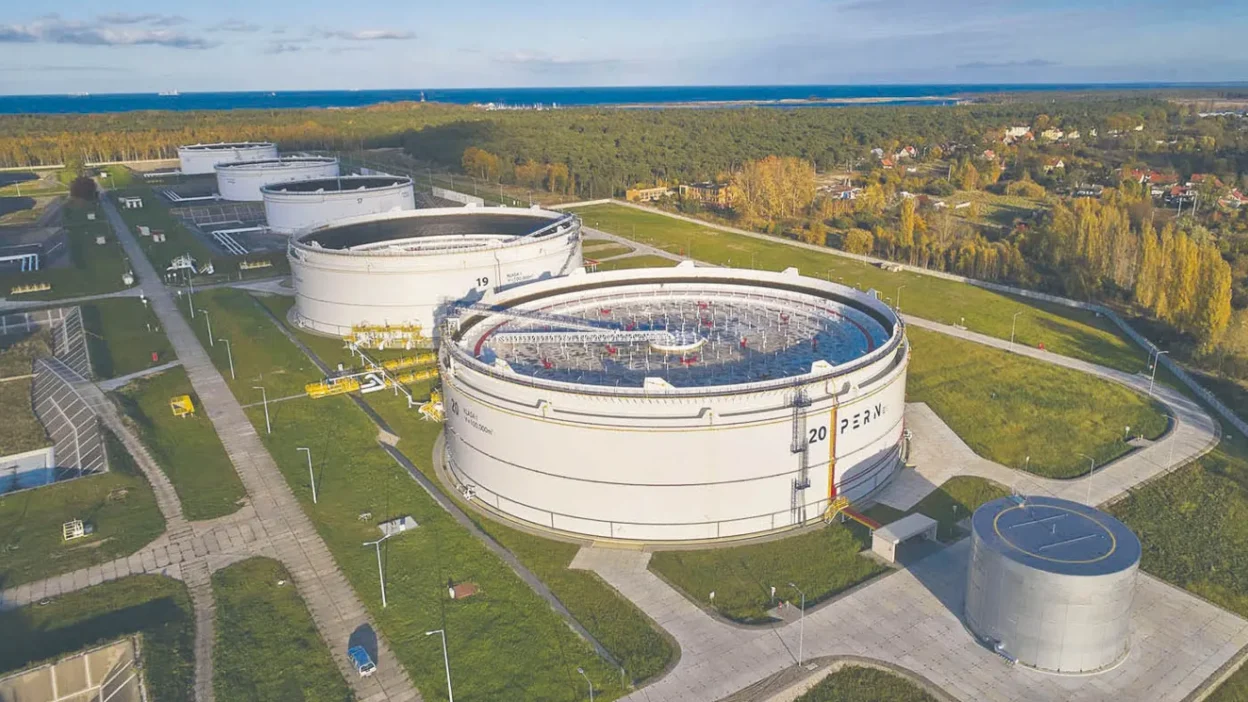
The Friendship pipeline remains a crucial oil transit system in the region. Its southern branch supplies refineries in Hungary and Slovakia, which continue to utilize Russian crude oil despite EU sanctions, based on exemptions granted after 2022.
€90 Billion Aid Package Tied to Pipeline Operation
The resumption of pipeline operations directly impacts EU financial decisions, specifically a €90 billion aid package approved by member states but previously blocked.
Orbán Linked Support to Oil Resumption
Hungarian Prime Minister Viktor Orbán played a key role, conditioning his approval on the restoration of oil supplies. Budapest argued that the country’s energy security must not be jeopardized.
Zelenskyy’s Declaration Shifts Situation
Zelenskyy’s declaration significantly changes the situation. If supplies are indeed restored, Hungary may withdraw its opposition to disbursing funds to Ukraine. Decisions are expected at the EU level in the coming days.
Slovakia’s Position and Political Tensions
A similar signal came from Slovakia. Prime Minister Robert Fico previously threatened to block aid to Ukraine, citing problems with oil supplies. Bratislava now indicates a willingness to compromise.
Relations between the two countries were strained, particularly after Fico accused Kyiv of deliberately delaying pipeline repairs. Ukraine consistently refuted these accusations, citing real difficulties resulting from military actions.
Europe’s Shift from Russian Oil, Pipeline Remains Key
The Friendship pipeline situation demonstrates the complexity of Europe’s energy landscape. Following the 2022 war, most EU countries ceased direct purchases of Russian oil.
Hungary and Slovakia are exceptions, having received temporary waivers from sanctions due to limited diversification options. The European Commission plans to completely phase out Russian oil imports by 2027 at the latest.
Until then, the Friendship pipeline remains a balancing element between sanctions policy and the energy security of some member states.
Ukraine Under Financial Pressure, US Aid Limited
The significance of the decision to resume oil transit extends beyond energy issues. Ukraine is in a difficult financial situation, and its ability to continue defensive actions depends on foreign support.
The situation is complicated by reduced aid from the United States following Donald Trump’s inauguration in 2025. The new administration decreased engagement, increasing pressure on the European Union.
In this context, the resumption of Friendship pipeline operations could directly impact Ukraine’s financial stability in the coming months.