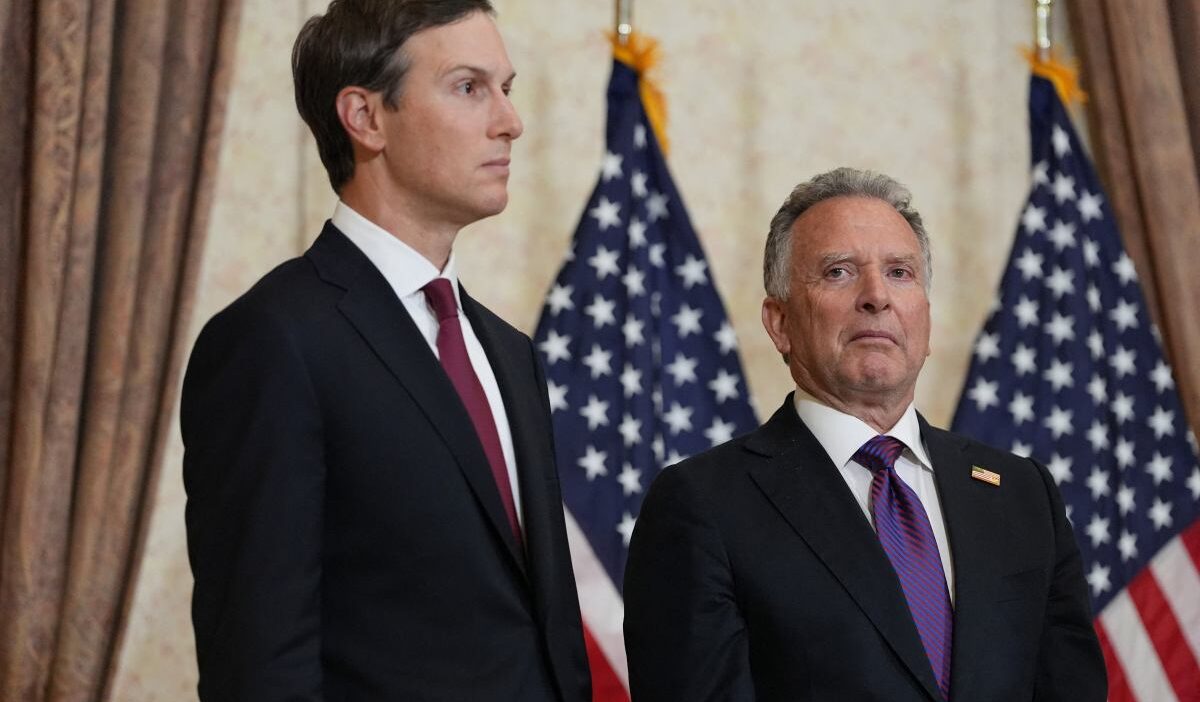
U.S. envoys will meet with Iran’s Foreign Minister despite Tehran dismissing prospects for a second round of talks, citing unrealistic demands.
U.S. Plans for Further Talks
Reuters reported on April 24th that the United States plans to continue pursuing negotiations with Iran. An American official indicated that U.S. Vice President J.D. Vance does not currently plan to participate in negotiations in Pakistan, but remains prepared to travel if U.S. plans change.
Donald Trump had previously announced a second round of talks with Iran.
First Round of Talks Failed
The first round of U.S.-Iranian talks in Pakistan concluded without success. Trump announced on Sunday that American negotiators would soon be in Pakistan for a second round of discussions.
Iran Rejects Second Round, Cites U.S. Demands
Iranian Foreign Ministry spokesperson Esmail Bagei stated on Monday that Iran does not currently plan a second round of talks with the Americans, characterizing U.S. demands as “unrealistic.”
Iranian Criticism of U.S. Approach
Bagei criticized the U.S. for emphasizing diplomacy while simultaneously adopting a stance that does not demonstrate a serious commitment to the diplomatic process.
Iran’s Nuclear Materials Stance
The Iranian Foreign Ministry spokesperson emphasized that the removal of nuclear materials from Iran was never considered an option during negotiations. According to Tehran’s final position, its “nuclear achievements” must remain within the country’s borders.
Ongoing Disagreements Over Nuclear Program
A high-ranking Iranian source told Reuters on Monday that differences between U.S. and Iranian positions regarding Iran’s nuclear program persist. The source stressed that Iran’s “defensive potential,” including its missile program, is not subject to negotiation with the U.S. The source also added that continued U.S. blockade in the Strait of Hormuz undermines U.S.-Iranian peace talks.
The article is being updated.