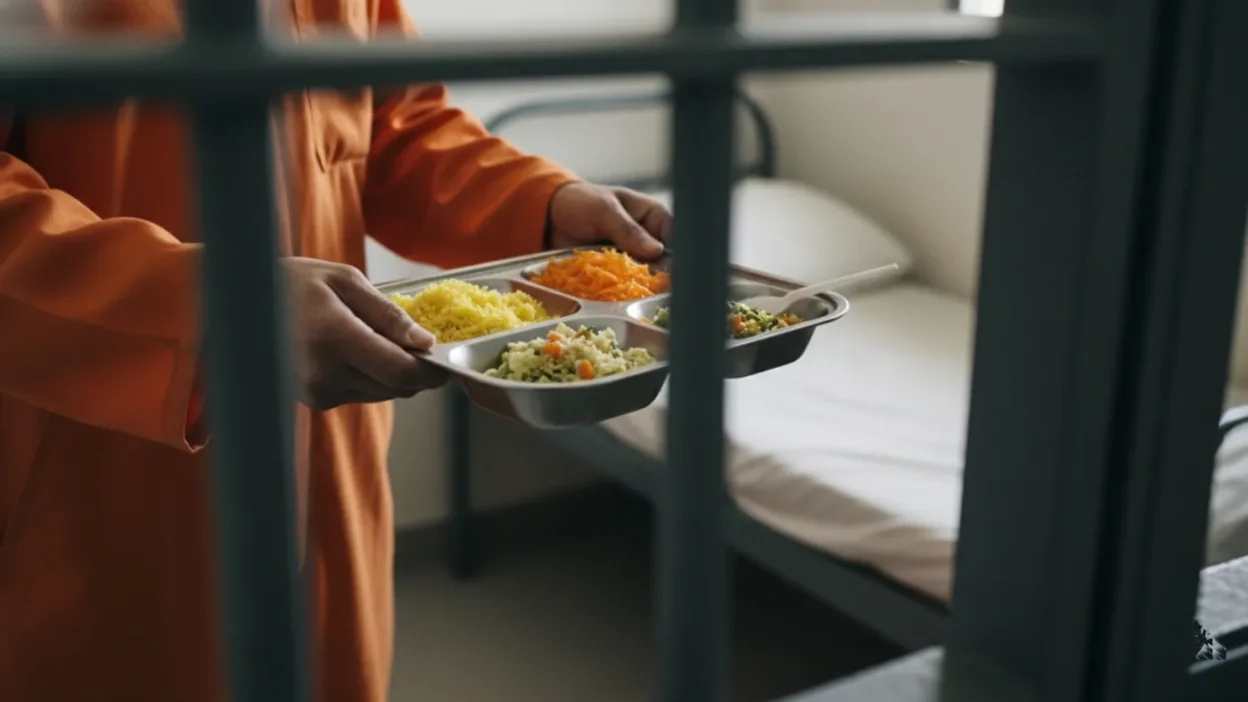
The Polish Ministry of Justice is implementing new regulations for prison meals, increasing allowances, improving nutritional value, and granting doctors greater dietary control.
Changes to Prison Cuisine
New regulations are being prepared to change the provision of food in Polish prisons and detention centers. The changes involve increasing allowances, boosting the amount of vegetables, and modifying dietary rules for inmates.
The practical effect will be more balanced meals, but also a greater role for doctors, who in some cases will be able to decide on a diet independently of religious preferences.
Increased Nutritional Value
One of the main assumptions of the project is to improve the quality of meals. This means changing their composition – more protein, less carbohydrates, and a greater amount of vegetables and fruits.
The minimum daily portion of plant products is to increase to at least 400 grams.
Rising Costs of Prison Food
The change in quality also comes with a change in costs. The project assumes an increase in the minimum dietary allowances for all types of meals. For example, the basic daily allowance is to increase from 4 zł to 5 zł, and in the case of special diets – even higher.
This is an attempt to adapt the realities of the prison kitchen to rising food prices and new standards, according to the project’s author.
Dietary Standards Aligned with Healthcare
The new regulations also aim to bring the food system in penitentiary units closer to the standards used in healthcare. In practice, this means an obligation to consider dietary guidelines published by the Minister of Health.
Refined Dietary Terminology
The naming of diets will also change – instead of “easily digestible,” “easily digestible” will appear, and diets for people with diabetes will be described more precisely, in accordance with medical standards.
Doctor’s Control Over Inmate Diets
Another change concerns the role of the doctor. The project provides that in the case of therapeutic diets, the doctor will have the deciding voice – even if it means disregarding the religious or cultural preferences of the inmate.
The justification explicitly states that health is the priority. This means that in medical situations, the diet will be determined primarily based on safety and treatment, not dietary beliefs.
Replacing 2016 Regulations
The planned regulation will replace the existing regulations from 2016. The changes will cover all penitentiary units in Poland – a total of 64 prisons and detention centers – and nearly 70,000 inmates.
Legal Basis
Draft regulation of the Minister of Justice regarding the nutrition of persons serving sentences in prisons and detention centers (B971)