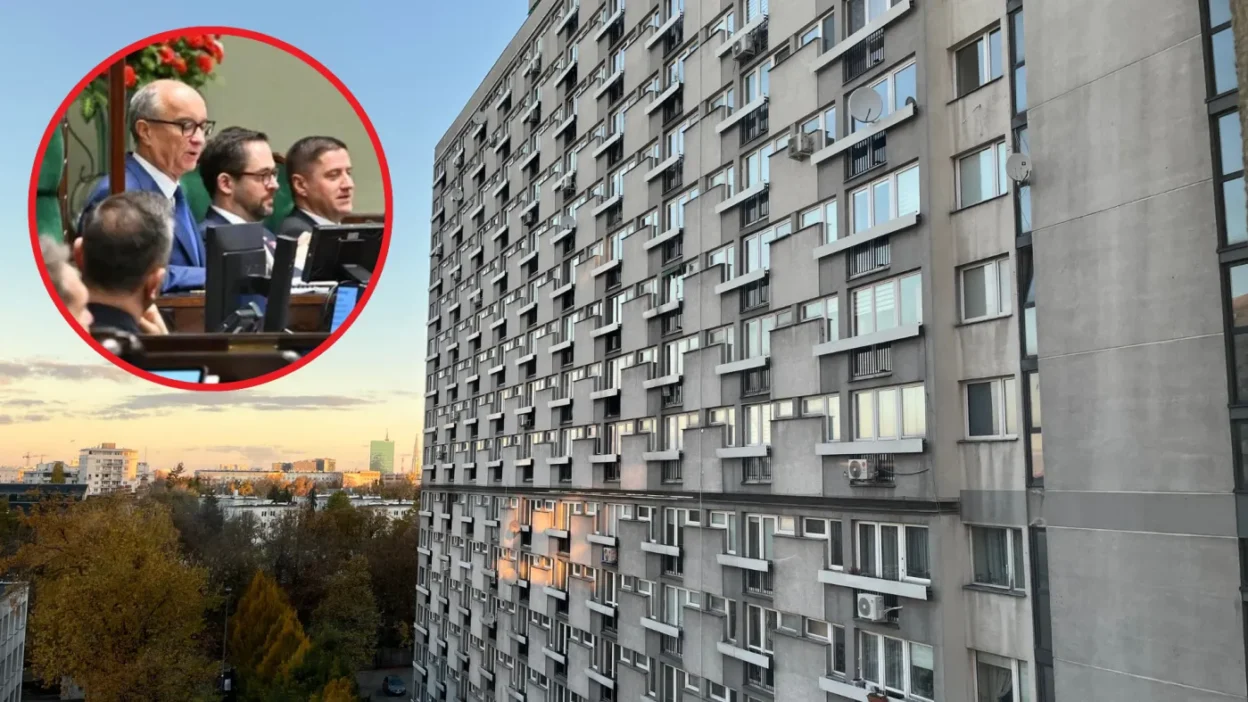
The Polish Sejm is considering legislation to eliminate municipal housing sale discounts to prevent reselling, though amendments may offer exceptions for long-term tenants.
Communal Housing Sale Restrictions
The Sejm is reviewing a bill to end discounted sales of municipal housing, aiming to prevent properties sold by municipalities from being resold for profit. Legislative work began in May 2025, focusing on amendments to laws concerning real estate, tenant rights, and municipal housing resources.
The proposed solution involves removing the authority of municipal councils to offer discounts on housing sales, forcing local governments to value properties at market price or retain them within the municipal housing stock. This change could prevent families with lower incomes from purchasing their rented homes, given that discounts have often reached 80-98% of property value.
Current Regulations and Sales Conditions
The sale of municipal housing is currently regulated by the 1997 Real Estate Management Act. Specific details regarding the sale of residential premises are determined by individual municipalities through resolutions of their councils or city governments.
To be eligible for sale, a property must have a clear legal status – meaning it must be owned by the municipality, with no ongoing administrative proceedings questioning the municipality’s acquisition of the property and no other claims against it.
Properties offered for sale must be self-contained, consisting of rooms within a building designed for permanent human habitation, along with auxiliary facilities like kitchens and bathrooms. Additional spaces, such as cellars or garages, may also be included.
Tenant Rights and Priority Purchase
The decision to sell municipal housing rests solely with the municipality. Tenants generally have no claim to purchase the property unless the municipality specifically offers it for sale. However, if a sale is decided, the municipality must respect the tenant’s rights as outlined in the Real Estate Management Act.
According to the 1997 Real Estate Management Act, tenants with indefinite-term leases have the right of first refusal when a property is offered for sale. The municipality must notify the tenant in writing, giving them a minimum of 21 days to submit a purchase application.
Bonification Details and Potential Reversal
The 1997 Real Estate Management Act allows municipalities to offer discounts on housing sales for residential purposes. However, granting a discount is not mandatory, and municipalities have significant discretion in determining whether and how much to offer.
Bonification amounts often depend on factors such as income level, family size, and length of tenancy. Municipalities have frequently offered substantial discounts, reaching 80%, 90%, or even 98% of the property’s value.
If a property is sold with a discount, the discount applies to both the price of the housing unit and the value of the land use right. The buyer must repay the discounted amount (plus interest) if they sell the property within five years of purchase, unless certain exceptions apply.
Government and Public Response to the Proposed Changes
The Council of Ministers generally supports the need to rationalize the management of public housing resources. However, the government has raised concerns about the impact on acquired rights, particularly regarding the shorter five-year period for repaying the discount.
Public consultations on the bill revealed a divided opinion, with 47% of respondents opposing the changes and 40% supporting them. Negative opinions primarily focused on the elimination of discounts, while some supported the proposed protection for elderly residents.
Amendments and Current Status
An amendment proposed by the Law and Justice party would exempt tenants who have continuously rented a property for at least 25 years from the ban on discounts. This amendment was submitted during the second reading of the bill in December 2025.
As of December 2025, the bill is awaiting review by the Sejm’s Infrastructure and Territorial Self-Government committees. Its progress has stalled, suggesting it may be placed on hold. If passed, the new regulations would take effect on January 1, 2027.