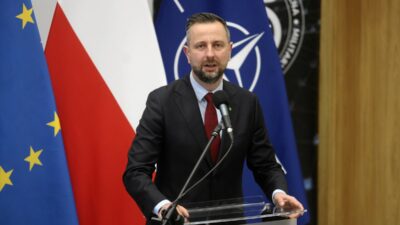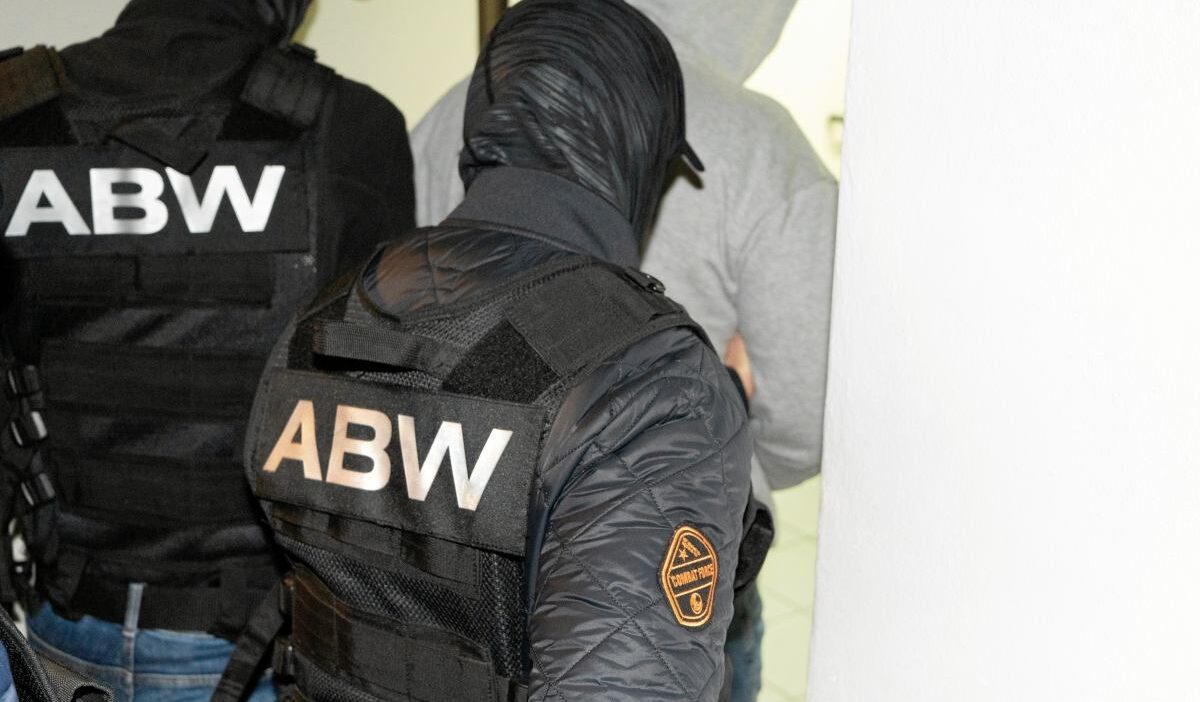
Polish Internal Security Agency Chief Colonel Rafał Syrysko warned that Russian intelligence is employing increasingly brutal tactics, including low-cost agents and criminal elements, to conduct sabotage within Poland.
Russian Intelligence Tactics Shifting Boundaries
Colonel Rafał Syrysko, Head of the Internal Security Agency (ABW), informed Rzeczpospolita that Poland has become a target for low-cost Russian intelligence operations. These involve recruiting individuals cheaply, primarily via the internet, to carry out acts such as arson and physical attacks.
The mass and dispersed nature of these actions is intended to overwhelm Polish counterintelligence and divert attention from more significant operations. While some agents are recruited virtually, others are recruited in the real world and trained in intelligence tasks, such as operating dead drops, maintaining communications, and using incendiary or explosive materials.
The Rise of Kinetic Sabotage
The ABW noted that Russian services are increasingly recruiting from criminal circles to shorten training processes. This shift signals that Russian operations are becoming more brutal, blurring the lines between intelligence activities and strict criminality.
Syrysko highlighted a clear tendency toward “kinetic actions” designed to cause actual destruction and casualties. He stated that Russia accepts the possibility of mass casualties and does not view them as a barrier to their objectives. Consequently, operations once limited to illegal information gathering have evolved into forms of diversion, sabotage, and state-sponsored terrorism.
Russian Acts of Diversion in Poland
Following the full-scale war in Ukraine, several incidents in Poland have been identified as Russian sabotage. This includes damage to railway tracks and power lines on the Warsaw East-Dorohusk route. Additionally, investigators linked a warehouse fire in Warsaw to a sabotage group suspected of arson at IKEA locations in Lithuania and Latvia.
In the same year, parcel explosions in Poland and other European countries were investigated, with findings indicating these operations were also directed by Russia. According to the BBC, 22 people have been detained in connection with these matters in Poland and Lithuania.