As white, cotton-like fluff blankets streets and balconies across Poland, medical experts clarify that these poplar seeds are not the primary cause of seasonal allergy symptoms.
The Nature of Poplar Trees and Their Seeds
Poplars are among the most common trees in Poland, planted in parks and streets because they grow quickly, provide shade, and help reduce noise and air pollution in urban spaces. These are dioecious trees, meaning male and female flowers appear on separate specimens.
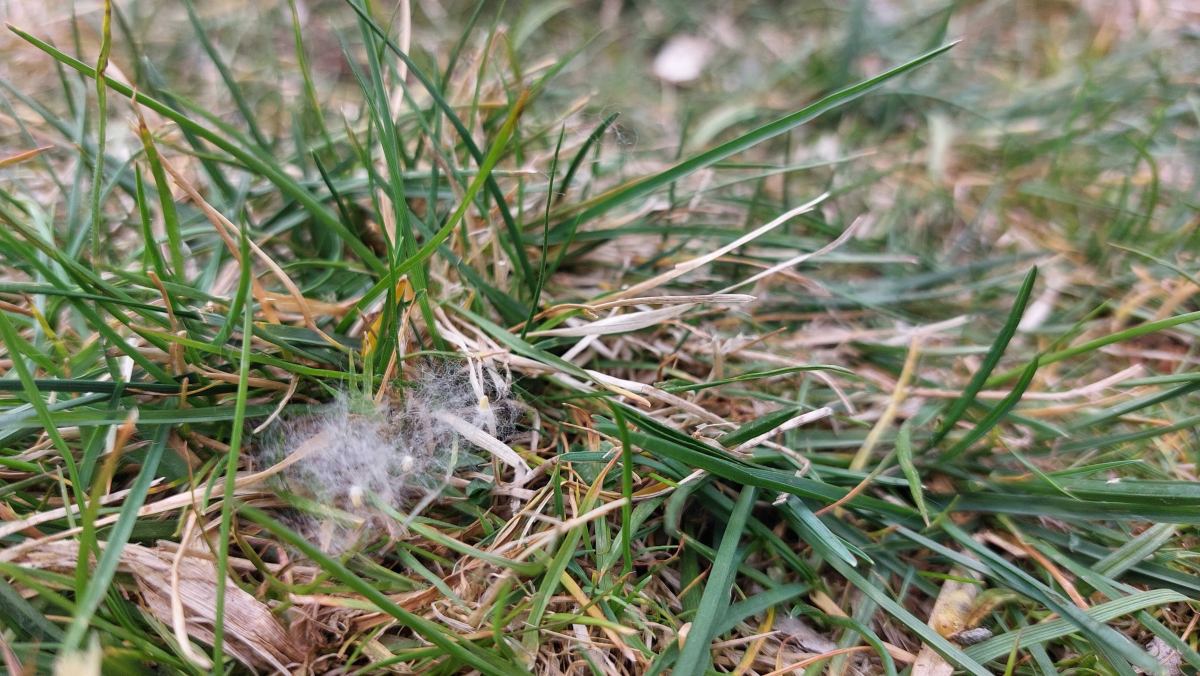
The issue begins in late spring when female plants release seeds covered in a soft, cotton-like fluff. These white “kittens” visible in May and June are not poplar pollen, but seeds prepared for dispersal that can travel very long distances on the wind.
Does Poplar Fluff Cause Allergies?
Dr. Piotr Rapiejko, from the Environmental Allergen Research Center, explains that the appearance of poplar fluff should not be linked to allergy symptoms. While the fluff may irritate the nose and conjunctiva during dry weather, it is not an allergic reaction. Poplar pollen actually begins in March and April, before leaves appear, and is considered a weak allergen.
Other plants, such as grasses and fungi like Cladosporium and Alternaria, are more frequently responsible for allergy symptoms during this period. Individuals with recurring symptoms are advised to consult an allergist and undergo appropriate testing.