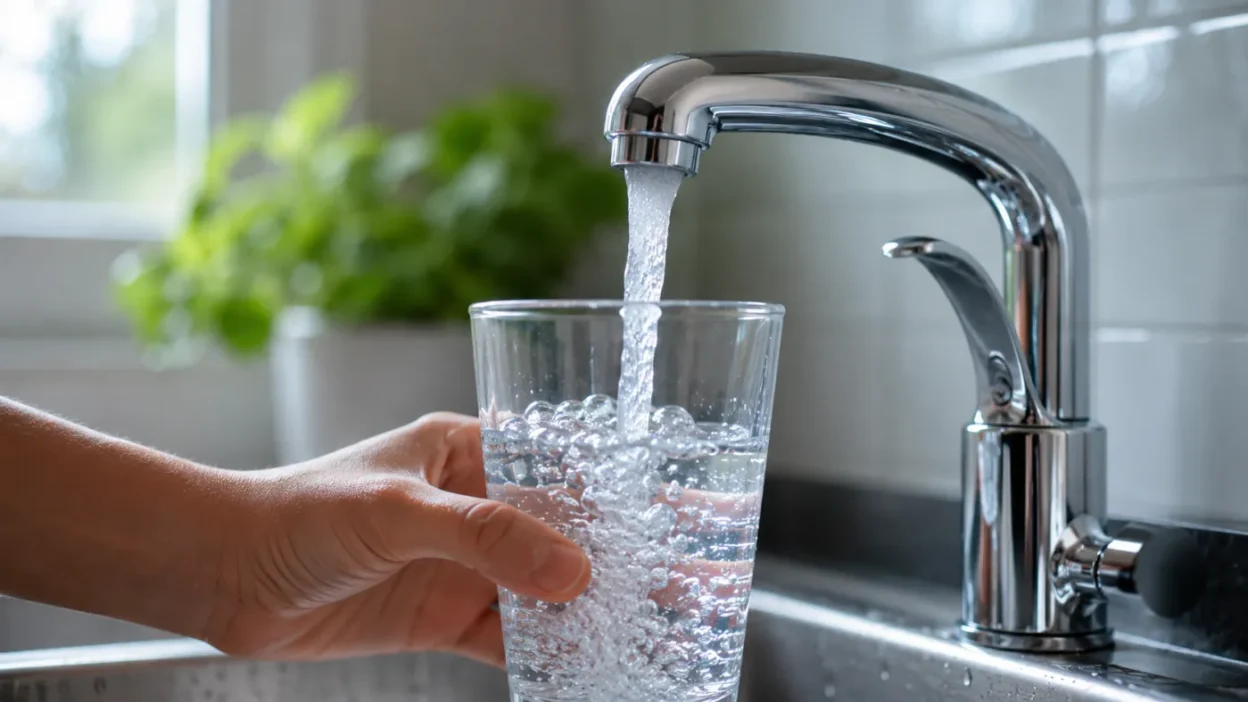
Starting May 21, 2026, Poland will implement an amended law on collective water supply and sewage disposal to align with EU directives on drinking water quality and accessibility.
Legislative Path and Implementation
The new regulations, which implement an EU directive on the quality of water intended for human consumption, will take effect on May 21, 2026. The legislative process lasted over three years and included a veto by President Karol Nawrocki, who cited concerns over market over-regulation and administrative burdens.
The law eventually passed as a parliamentary project prepared by the Civic Coalition, bypassing lengthy government consultations. It now imposes new obligations on municipalities, water companies, and building owners.
Water Quality Control and Provider Obligations
Water supply and sewage companies must now regularly monitor water quality and conduct detailed risk assessments for their entire distribution systems. These assessments must cover potential biological, chemical, and infrastructural contaminants.
The State Sanitary Inspection (Sanepid) will see its supervisory powers expanded, with more precise control procedures and response protocols. Additionally, Wody Polskie and the ministry of water management will be responsible for assessing and reducing water losses in networks, some of which currently exceed ten percent.
New Requirements for Building Owners
Housing associations, cooperatives, and property owners are now required to perform risk assessments of internal water installations. This involves verifying the condition of piping and materials, with a specific focus on old installations that may degrade water quality.
The amendment also regulates the certification of materials used for water treatment and distribution. For many property managers, this may result in additional costs for technical expert reports and network modernizations.
Ensuring Access for Marginalized Residents
Municipalities must identify and support residents who lack or have limited access to drinking water, including the impoverished, homeless, and those in infrastructure-deprived areas. This effort aims to combat “water poverty” through cooperation between local governments and social assistance institutions.
Paweł Sikorski, President of the Waterworks Poland Chamber of Commerce, noted that while this is an organizational challenge, municipalities already possess some necessary data via social welfare centers.
Public Water Points and Infrastructure
The law creates the legal basis for municipalities and water companies to establish public water collection points and drinking fountains in city centers, parks, and stations. While not mandatory for every municipality, these facilities aim to reduce bottled water consumption and plastic waste.
Industry representatives suggest that funding for these solutions could potentially come from social funds or water tariffs, though they emphasize that costs should not overly burden individual consumers.
Increased Transparency and Information
Water companies are now obligated to provide consumers with more detailed information regarding water quality, pricing, and consumption levels. This is intended to increase public trust in tap water and enhance social control over infrastructure.