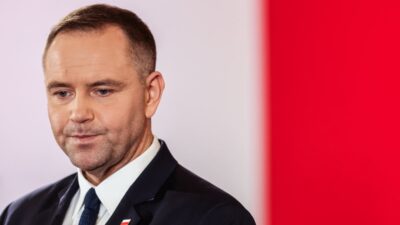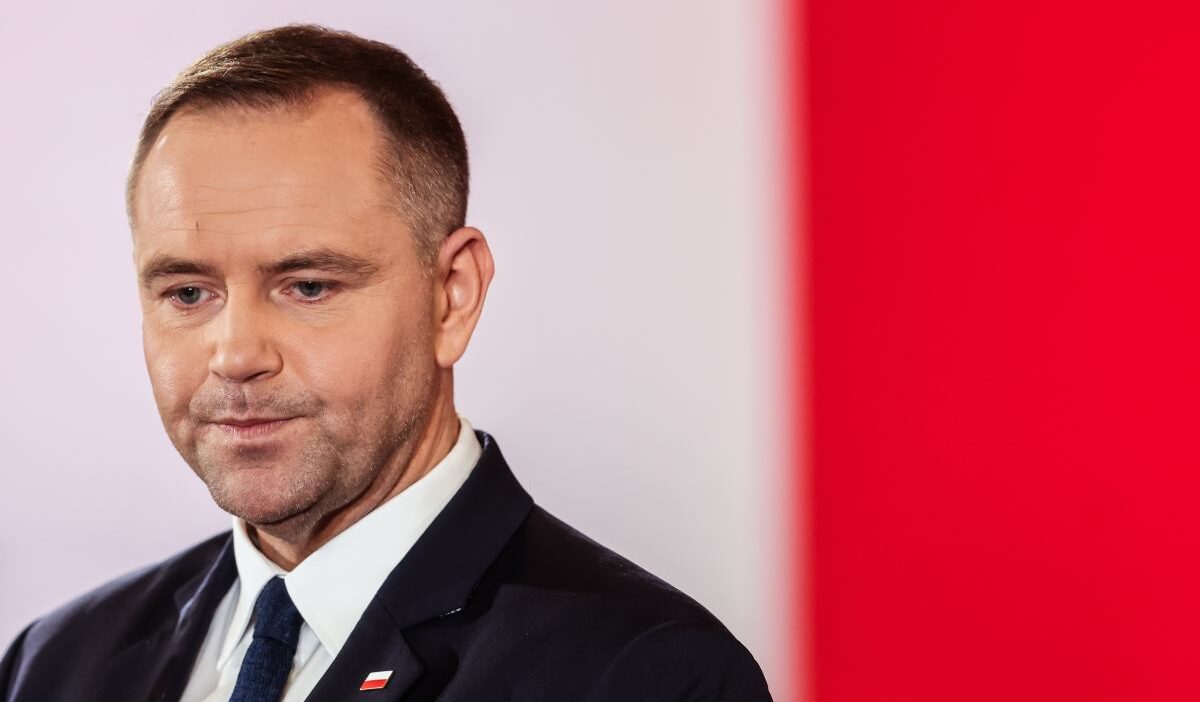
On Wednesday, May 20, the Polish Senate voted down President Karol Nawrocki’s motion to hold a referendum on EU climate policy, drawing immediate backlash from the Presidential Palace.
The Senate Rejection
On May 7, Karol Nawrocki submitted a proposal to the Senate to hold a referendum on September 27. The question sought to determine whether citizens support EU climate policy, which the President blames for rising living costs and energy prices. Of the 95 senators present, 61 voted against the proposal, 32 in favor, and one abstained.
Presidential Palace Response
Presidential Chief of Staff Paweł Szefernaker criticized the decision, labeling the vote an attempt to silence citizens regarding their jobs and economic future. He emphasized the government’s stance of prioritizing national interests over EU mandates, stating that while the request was rejected, the public voice remains paramount.
Context of the Referendum Debate
Nawrocki previously argued that citizens deserve a direct say on the consequences of the Green Deal, maintaining that the move was not directed against environmental protection or European membership. Critics, however, pointed out that the phrasing of the referendum question was biased, as it contained a definitive thesis suggesting climate policy is inherently detrimental.
Criticism from the Ministry of Climate
Climate Minister Paulina Hennig-Kloska dismissed the referendum as a political maneuver. She countered the President’s proposal by questioning if Poles would instead prefer continued dependence on volatile imported fossil fuels. She further noted that the previous administration, which supported the President, had significant opportunities to stabilize energy prices during past crises but failed to act.
Legal and Expert Perspective
Legal expert Wojciech Kukuła of the ClientEarth foundation clarified that a national referendum cannot override European Union law. He characterized the initiative as an attempt to leverage public anxiety over energy costs for political gain. According to Kukuła, the most effective way to address price hikes is to accelerate investment in clean energy rather than delaying the transition.