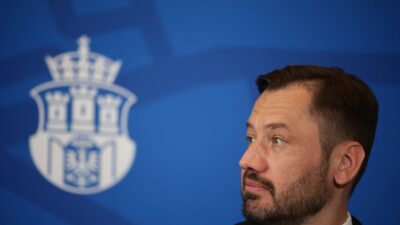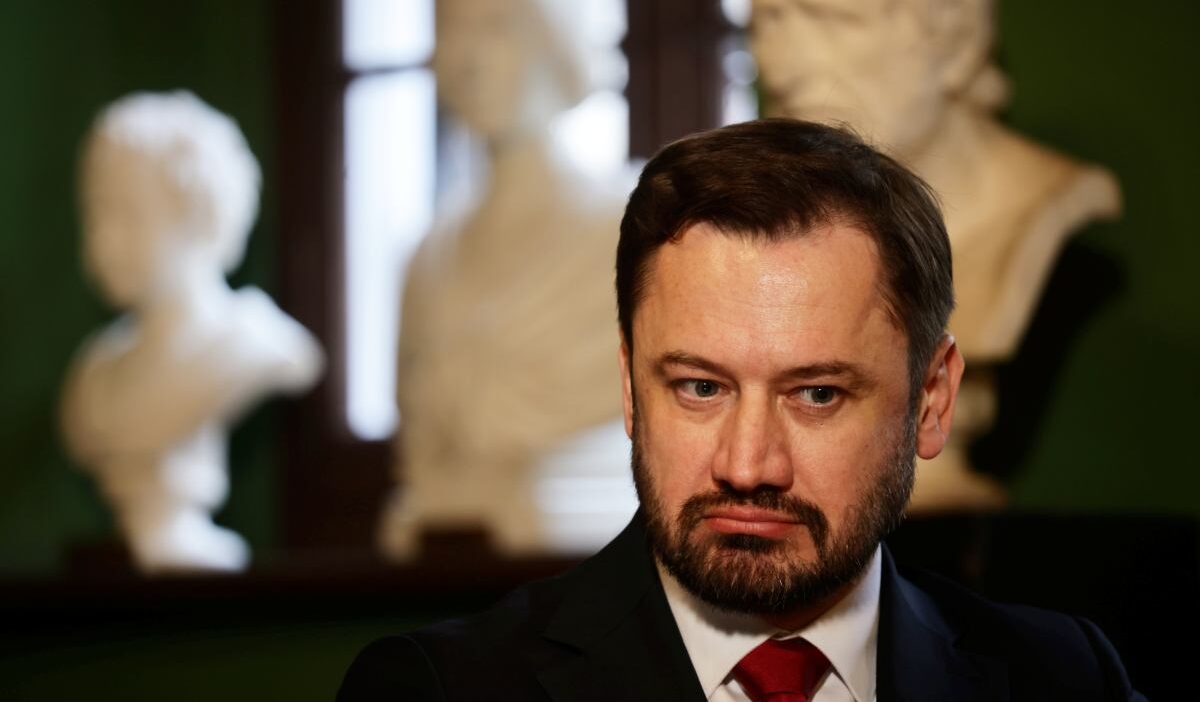
Krakow held a referendum to decide the fate of Mayor Aleksander Miszalski and the City Council, with unofficial data indicating the threshold for the Mayor’s removal was met while the Council survived.
Referendum Thresholds and Results
The validity threshold for removing the Mayor was 26.98 percent, while the requirement for the City Council stood at 30.59 percent. According to the local news site LoveKraków.pl, the turnout for Sunday’s referendum reached 29.71 percent, which was insufficient to remove the City Council.
Official confirmation of the results is expected on Monday morning, May 25, when Justyna Habrajska, head of the municipal election commission, is scheduled to sign the final vote protocol. Preliminary data from the National Research Group (OGB) indicated that 97.8 percent of voters supported the removal of Aleksander Miszalski, while 96 percent favored removing the City Council.
Views from Referendum Organizers
Jan Hoffman, co-initiator of the referendum, stated that the organizers sought to fix the city rather than engage in national political disputes. He expressed optimism that the outcome would lead to a change in the city’s direction and the termination of what he described as the worst term in the history of the Krakow City Council.
Hoffman suggested that early elections would likely take place on August 23. Until that time, he noted that the city would be managed by a government-appointed commissioner, urging the Prime Minister to select an official focused on municipal priorities such as audit processes and financial management.
Political Context and Criticisms
The movement to recall the Mayor and the Council was supported by various opposition groups, including Law and Justice (PiS) and Confederation. Critics have cited concerns regarding the city’s debt, broken campaign promises, and the implementation of the Clean Transport Zone (SCT) as primary reasons for their dissent.
Mayor Miszalski has framed the recall effort as a political “rematch” following the recent local elections. In recent weeks, the Mayor acknowledged that certain policy decisions were flawed and pledged to implement corrections, including staffing changes and the reversal of parking fee adjustments for residents.