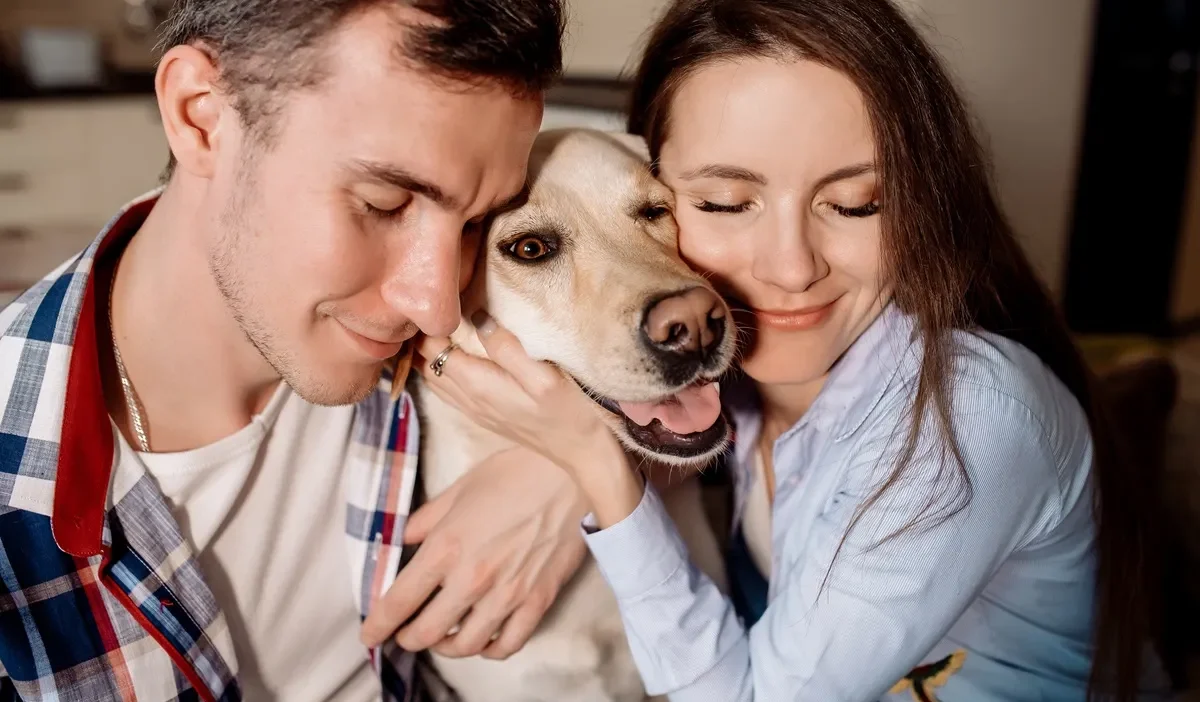
As pets become central to family life, taking dogs on holiday creates new challenges in public spaces; understanding the legal landscape is essential for conflict-free dining with your four-legged companion.
Animals as a Source of Conflict
Pets are increasingly integrated into modern society, yet their presence in public spaces—particularly restaurants—remains a source of tension. While awareness regarding animal care has grown, the societal divide between pet owners and those frustrated by pets in communal areas is widening, often surfacing in neighborhood social media disputes regarding noise and cleanliness.
Summer remains a difficult season for animal shelters, as abandonment rates rise, but there is a parallel trend of families increasingly including pets in their holiday plans. This shift requires careful logistics, including selecting pet-friendly accommodations and ensuring that the dog can accompany owners during meals. Although outdoor garden seating at cafes often mitigates these issues, the question of whether a dog’s presence in a dining area is legally permissible remains a frequent point of contention.
Special Status of Assistance Dogs
Assistance dogs occupy a unique legal position under the Act on Vocational and Social Rehabilitation and Employment of Persons with Disabilities of August 27, 1997. Individuals with disabilities accompanied by an assistance dog have the right to enter public utility buildings, gastronomy services, public transport, national parks, and bathing beaches.
To exercise these rights, the dog must be equipped with a harness, and the owner must carry a certificate confirming the animal’s status along with proof of current vaccinations. Notably, the law does not mandate the use of a muzzle or leash for assistance dogs, though the owner remains fully liable for any damages the animal may cause.
Restaurant Ownership and Hygiene Regulations
For household pets, the law does not grant universal access to public establishments. The decision to permit dogs in a restaurant, bar, or cafe rests solely with the owner or manager of the premises. They are responsible for maintaining food safety and hygiene standards and may implement specific policies, such as banning animals, designating pet-free zones, or requiring leashes.
Threats involving the health department (sanepid) are often misplaced. If an establishment allows pets, the mere presence of an animal does not violate public health regulations. However, authorities may intervene if the specific behavior or presence of an animal leads to an actual breach of sanitary standards.
Frequently Asked Questions
Who decides if a dog can enter? The owner or manager of the establishment has the authority to permit or prohibit animal access based on their internal hygiene procedures.
Are leashes or muzzles legally required for assistance dogs? No, the law does not impose such requirements, though owners remain responsible for their animal’s conduct.
Does the health department oversee pet presence? Sanepid does not concern itself with the simple presence of a pet, but may act if hygiene protocols are compromised due to an animal’s presence.