Poland’s Chief Sanitary Inspectorate has announced that there is no immediate threat to the country following reports of Ebola outbreaks in Africa and hantavirus cases on the cruise ship MV Hondius.
Status of Ebola and Hantavirus Monitoring
The Chief Sanitary Inspectorate (GIS) is actively monitoring reports of Ebola outbreaks in parts of Africa, specifically in the Democratic Republic of the Congo, Sudan, and Uganda. Meanwhile, authorities are managing the situation involving hantavirus cases reported aboard the expedition ship MV Hondius, which traveled from Argentina to the Netherlands.
GIS spokesperson Marek Waszczewski confirmed that Polish authorities are analyzing incoming data in cooperation with international health institutions. Currently, there are no plans to implement additional border restrictions or prophylactic measures within Poland, as the risk to residents remains low.
Transmission Risks and Clinical Context
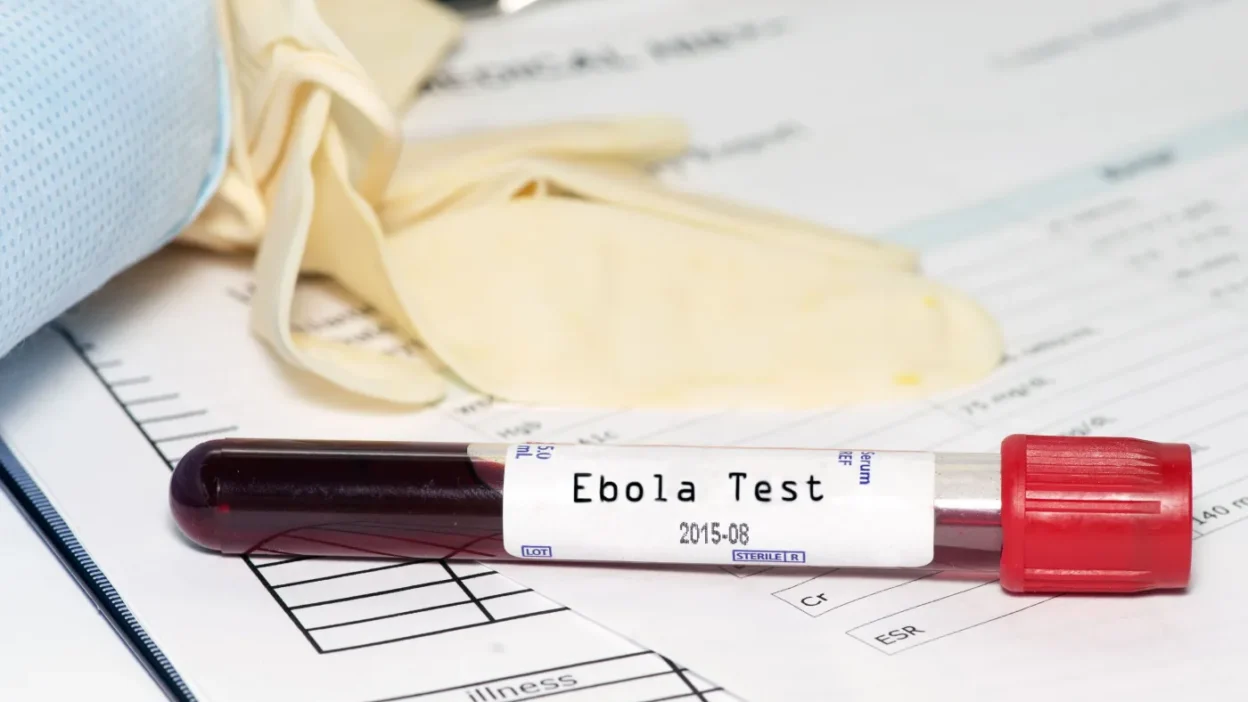
Ebola does not spread through the air; infection requires direct contact with the bodily fluids of an infected person or biological material. This significantly limits the potential for large-scale, uncontrolled spread in countries with robust sanitary surveillance systems. According to the World Health Organization, while some Ebola strains carry a mortality rate of 50–90 percent, prompt isolation and identification are effective at curbing international transmission.
Health Oversight for MV Hondius Crew
Eight hantavirus infections were confirmed on the ship MV Hondius, resulting in three deaths. Poland has reported no cases of this specific viral variant domestically. Four individuals have been placed under precautionary sanitary observation.
The ship’s captain, Jan Dobrogowski, is currently expected to undergo mandatory quarantine upon his return to Poland. As of now, the captain shows no symptoms of the disease, and his medical tests have consistently returned negative results. Health authorities state that he may complete his quarantine at home, provided his health status remains stable.
Preparedness and Travel Guidance
Poland’s epidemiological response system, including laboratories and infectious disease units, remains on high alert. Sanitary surveillance may extend to individuals who have had even incidental contact with potential carriers, which is a standard procedure rather than an indication of an immediate threat.
Experts advise travelers to regions with active outbreaks to monitor Foreign Ministry updates and exercise caution. If symptoms such as fever or extreme fatigue appear upon returning to Poland, individuals are urged to contact a medical professional or an infectious disease unit immediately. The GIS notes that there is no need for citizens to cancel travel plans or worry about new sanitary restrictions.