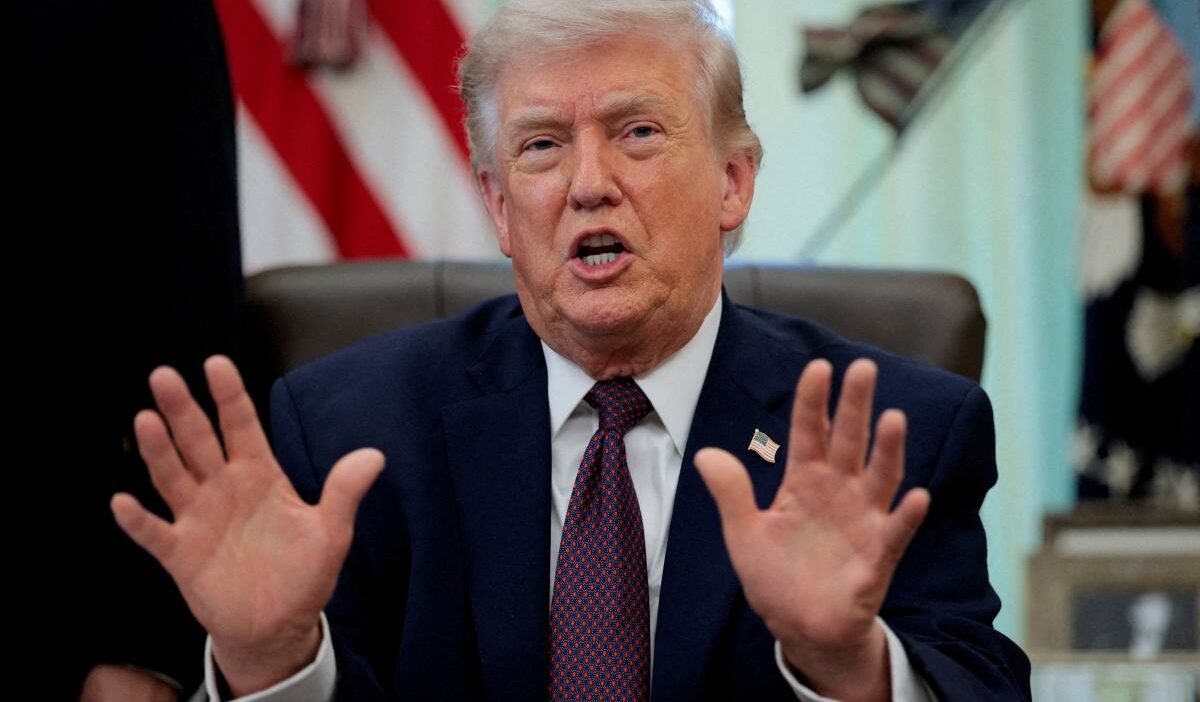
Following an escalation in Lebanon and the Israeli strike on Dahiyeh, U.S. President Donald Trump announced that Israel and Hezbollah have agreed to a ceasefire and halted all military operations.
Trump’s Announcement of De-escalation
President Trump announced the agreement via Truth Social, confirming a productive conversation with Israeli Prime Minister Benjamin Netanyahu. Trump stated that troops headed toward Beirut have been turned back.
Additionally, the President noted that through high-level intermediaries, he reached a deal with Hezbollah. Both parties have reportedly agreed to cease all hostilities, meaning Israel will stop its strikes and Hezbollah will halt its attacks.
Iranian Warnings and Regional Tensions
Prior to the truce, the Iranian Revolutionary Guard had threatened to open “new fronts” against Israel due to the offensive in Lebanon. Tehran’s state media warned that if attacks continued, the U.S.-brokered truce would collapse.
Tehran maintains that expanding Israeli military actions in the Gaza Strip and Lebanon constitutes a direct war. Iran’s Foreign Ministry declared that a violation of the truce on one front would be considered a breach of the agreement on all fronts.
Diplomatic Impasse and Military Posture
Iraqi and Iranian media previously reported that peace talks with the U.S. had stalled, with officials demanding an immediate end to operations in Lebanon and Gaza. Advisors to the Supreme Leader warned that Iranian military patience is limited and threatened strikes on northern Israel if Beirut were targeted.
Fragile Truce History
Despite a formal truce announced by Washington on April 16, fighting has persisted with both sides accusing each other of violations. Recent weeks saw the Israeli military expand its offensive against the Hezbollah movement, following an earlier period of active conflict that included mutual airstrikes starting in late February.