The global AI boom is shifting semiconductor production toward data centers, causing consumer electronics prices to rise significantly.
AI Boom Transforms Global Semiconductor Market
The artificial intelligence boom is changing the global semiconductor market. Major memory RAM producers are redirecting production capacity to data centers, driving up electronics costs. These are just the beginning of changes that could significantly increase computer and smartphone prices, evident in the prices and specifications of Apple’s flagship products.
RAM Production Shift to AI Data Centers
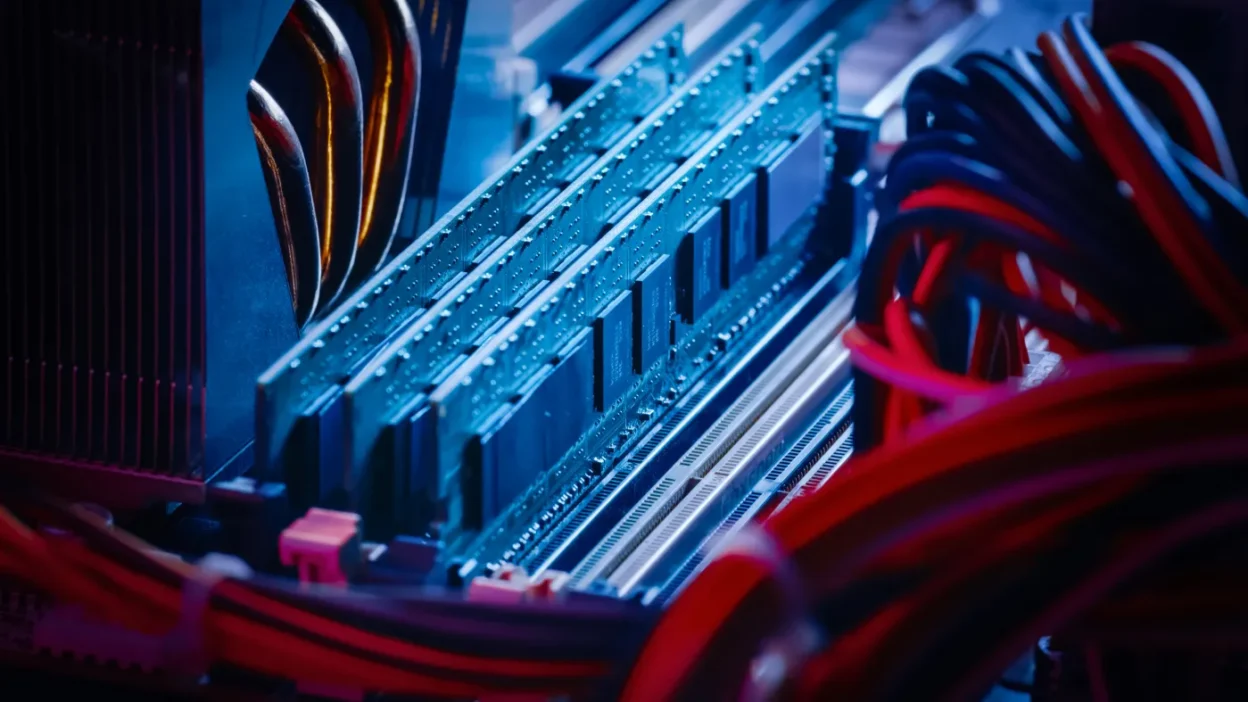
RAM is in every device with a screen and most without screens—in computers, phones, cars, ATMs, and defibrillators. It’s produced by just three companies worldwide: Samsung, SK Hynix, and Micron. All three are redirecting their factories to produce memory for AI data centers, as that’s where the money is now. This is why a laptop memory module that cost $200 in October 2025 cost $800 by December.
Why AI Data Centers Consume So Much RAM
HBM (High Bandwidth Memory) RAM is several times more expensive than consumer RAM used in laptops, yet it’s produced on the same production lines. Meta, Microsoft, Amazon, and Alphabet plan to spend hundreds of billions on data centers in 2026 alone. AI data centers are expected to consume about 70% of all memory chips produced this year.
Industry Warnings and Apple’s Response
People who don’t typically deal with specialized topics like the RAM market have begun speaking about the problem. Apple warned investors that the crisis would impact iPhone profit margins, then quietly withdrew the strongest Mac Studio configuration with 512GB. The price of the lower 256GB variant increased from $1,600 to $2,000.
Micron Exits Consumer Memory Market
On December 3, 2025, Micron announced the closure of Crucial, one of the most recognizable RAM and SSD brands. The final shipments left the market in February 2026. Micron controls about 20% of global DRAM production, so its exit from this segment leaves the consumer market practically dependent solely on Samsung and SK Hynix.