


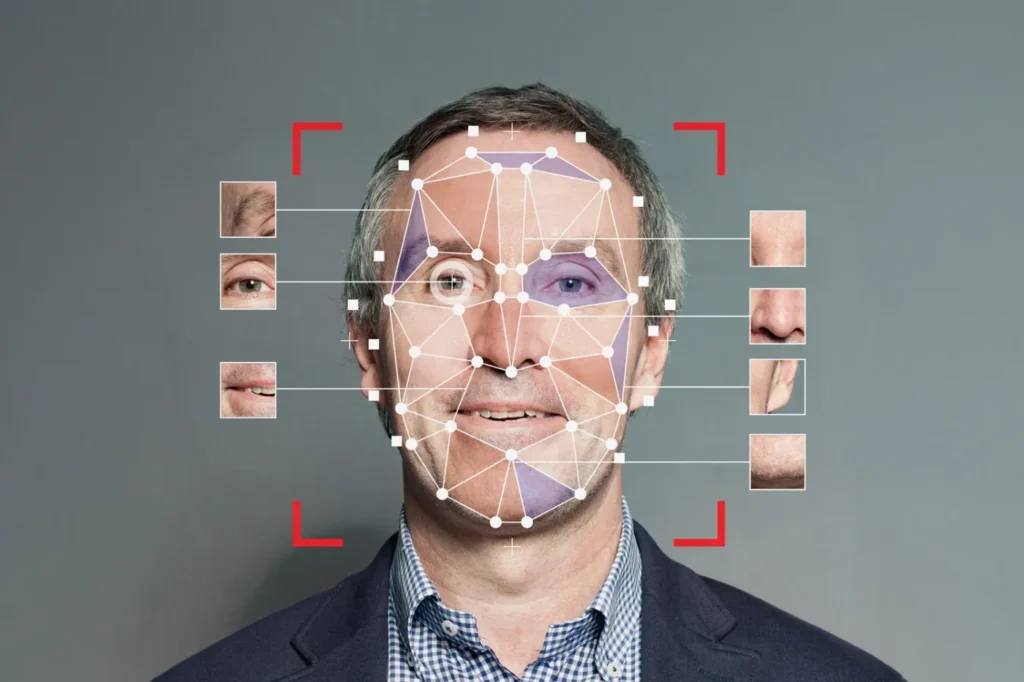
Harvard researchers developed FaceAge, an AI tool that assesses biological age from a facial image and correlates it with survival rates.
AI Assesses Biological Age From Facial Photo: How Does FaceAge Work?
A research team from Mass General Brigham and Harvard Medical School developed FaceAge, a tool that analyzes facial photos to estimate a patient’s biological age. The study was published in the prestigious journal Nature Communications.
The algorithm analyzes subtle facial features, not just wrinkles, to determine how quickly the body is aging – independent of chronological age.
Cancer Survival and Facial Aging Rate
A new study included 2276 cancer patients undergoing radiotherapy at Brigham and Women’s Hospital between 2012–2023. Each patient had at least two facial photos taken at different points during treatment.
Researchers defined a key indicator called Face Aging Rate (FAR), measuring the pace of facial aging between photos.
Results Are Clear
Researchers found that the pace of aging outpaced chronological age by an average of 40%, indicating deeper processes within the body.
Doctors on FaceAge: “We Can Track Health in Real Time”
Researchers believe this technology has significant potential. Dr. Raymond Mak of Mass General Brigham Cancer Institute stated, “Determining the rate of facial aging allows us to track health status almost in real time.”
A Non-Invasive and Cost-Effective Biomarker
Dr. Hugo Aerts, a co-author of the study, emphasized, “This is a non-invasive and cost-effective biomarker that can inform patients about their health status.”
Why Aging Rate Is More Important Than Age
Traditional medicine focuses on patient age, but individuals of the same age can be in vastly different health conditions. The study shows biological age better reflects an organism’s condition, but the rate of change is even more important – a single photo provides less information than a series of photos.
Researchers compare this to other medical indicators, such as blood pressure variability or tumor marker dynamics. Data collected over time is simply more reliable.
How Does Aging Rate Affect the Risk of Death? Study Data
The following data shows the scale of differences between patients:
Period Between Photos | High Aging Rate | Lower Aging Rate
10–365 days | shorter survival (approx. 4.1 months) | longer (approx. 6.5 months)
366–730 days | approx. 6.4 months | approx. 12.5 months
731–1460 days | approx. 15.2 months | approx. 36.5 months
The differences grow with the observation period, reinforcing the reliability of the results.
What Does FaceAge Mean for Patients and Doctors? Potential Changes in Cancer Treatment
FaceAge technology could influence treatment, particularly in oncology. Doctors may be able to better tailor therapy intensity, respond faster to health deterioration, and schedule check-ups based on real risk.
For example, a patient formally 60 years old whose face “ages” like a 75-year-old signals the body may not tolerate treatment well and requires a different approach.
Can You Check Your Facial Biological Age? How FaceAge Works
The research team has launched a portal allowing photo submissions for further technology research. However, this is just the beginning.
Researchers emphasize the need for further prospective studies and model testing in more diverse populations. Ethical and privacy concerns also need addressing, so cautious use of the tool is advised.
FaceAge Limitations: Errors, Privacy, and the Risk of AI Facial Analysis
Despite promising results, the study has limitations.
Socially sensitive issues also arise – AI facial analysis raises questions about privacy and potential algorithmic biases.