Polish lawmakers are debating regulations surrounding the marketing of non-alcoholic beverages that closely resemble alcoholic brands, raising concerns about early alcohol initiation.
Beer’s Unique Position in Poland
In Poland, beer has become positioned as a “light” and “social” product, often losing its recognition as a potentially harmful alcohol. Advertising, sponsorship, and associations with leisure, friendship, and success can create the perception that beer is less dangerous than other alcoholic beverages.
The rise of 0% alcohol beer further complicates the issue, often marketed as a harmless alternative and a symbol of responsible consumption.
WHO’s Stance on Imitative Marketing
The World Health Organization (WHO) unequivocally condemns any promotion that blurs the lines between safe beverages and alcohol, deeming it a real threat to public health. This practice is labeled “alibi marketing.”
WHO defines alibi marketing as a strategy to circumvent advertising bans by utilizing brand characteristics—colors, fonts, symbols—in campaigns for formally non-alcoholic products.
Normalization of Drinking Through Branding
WHO experts state that products identical in appearance to their alcoholic counterparts serve as tools for normalizing alcohol consumption. Exposure to alcohol-associated branding lowers the age of alcohol initiation, according to WHO reports.
The organization emphasizes that corporate economic interests should not outweigh citizens’ right to health protection. The “image transfer” mechanism causes positive emotions linked to a lemonade to automatically extend to the entire product line, including high-proof beverages.
Public Opinion and Proposed Regulations
Since April 2025, the GrowSPACE Foundation has been running a nationwide “Zero Percent Truth” campaign to prevent early alcohol initiation among children and youth and to advocate for a complete ban on public alcohol advertising, including “zero” drinks.
A survey conducted in collaboration with the Foundation and the All-Poland Research Center in November of last year revealed that 85% of Poles support the changes proposed by the Ministry of Health to the Sobriety Education Act—including a complete ban on alcohol advertising and promotion and strengthened enforcement of the ban on selling alcohol to minors. 78% of respondents expect decisive action against early alcohol initiation.
Balancing Economic Freedom and Public Health
The debate over new forms of selling alcohol-imitating beverages has moved to parliamentary committees, where constitutional economic freedom clashes with the state’s obligation to protect public health. Producers often argue for the right to innovation.
However, legal experts point out that economic freedom is not absolute and ends where systematic consumer deception or circumvention of the Sobriety Education Act begins.
Legislative Challenges and Definitions
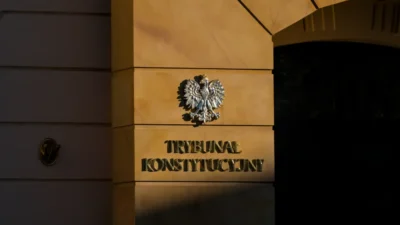
The Sejm’s extraordinary subcommittee is currently reviewing parliamentary bills amending the Sobriety Education and Anti-Alcoholism Act and the Health Care Benefits Act, as well as the Broadcasting Act. The last session was held on March 12th.
A key challenge in the legislative process is precisely defining “packaging imitating an alcoholic product.” From an economic perspective, ambiguity in regulations also harms companies that choose not to engage in such practices, potentially losing market share to those employing aggressive marketing.
The Psychology of Consumption Training
In psychology, there is a phenomenon known as the priming effect. In this case, a product in packaging almost identical to beer ceases to be perceived as a simple cooling drink. For a young consumer, contact with such a product is a kind of “consumption training.”
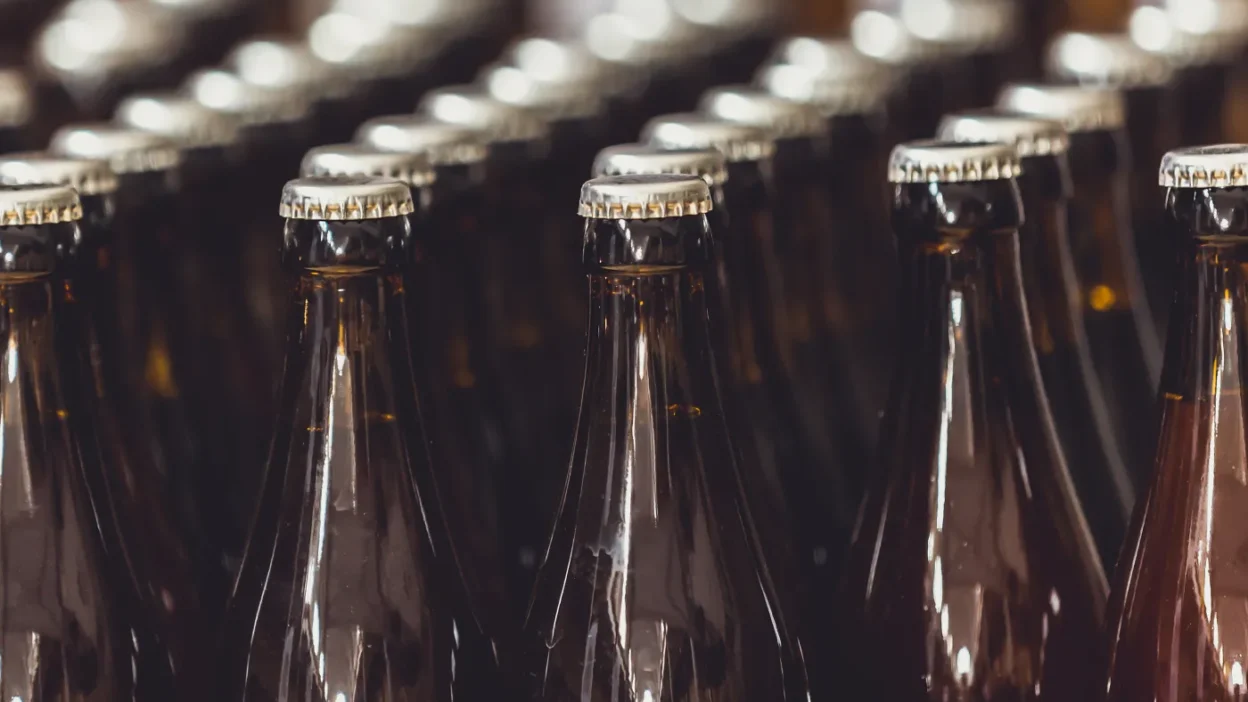
Even with non-alcoholic content, the entire ritual—from how the bottle is held to the sound of the cap opening—builds strong associations with drinking culture. The non-alcoholic product functions as a carrier of the brand image, often associated with beer, and fosters brand loyalty that can easily transition to alcoholic versions when the consumer reaches the legal drinking age.