


Iran’s blockade of the Strait of Hormuz, following Israeli-American strikes, prompted Donald Trump to request aid from allies, facing widespread refusal and sparking outrage.
Iran Blocks Strait of Hormuz, Global Prices Rise
Iran has blocked the Strait of Hormuz, a crucial oil transport route, in response to Israeli-American attacks, leading to increased prices on global markets. Donald Trump recently urged allies, including NATO members, to send ships and support to unblock the strait.
“It’s appropriate that those who benefit from the strait help ensure that nothing bad happens there,” Trump said in a brief conversation with the Financial Times. The US President warned that a lack of response could have “very bad consequences” for the future of the Alliance.
Allies Decline US Request for Military Support
Many countries have refused to comply. “Most of our ‘allies’ in NATO have informed the United States that they do not want to get involved in our military operation against the terrorist regime of Iran in the Middle East, despite the fact that almost all countries strongly supported our actions and that Iran must not be allowed to possess nuclear weapons under any circumstances,” Trump wrote on Truth Social.
He added that he is “not surprised by their attitude,” stating that the North Atlantic Alliance operates one-sidedly. “We will protect them, but they will do nothing for us, especially in need,” he stated.
Senator Graham Reports Trump’s Anger
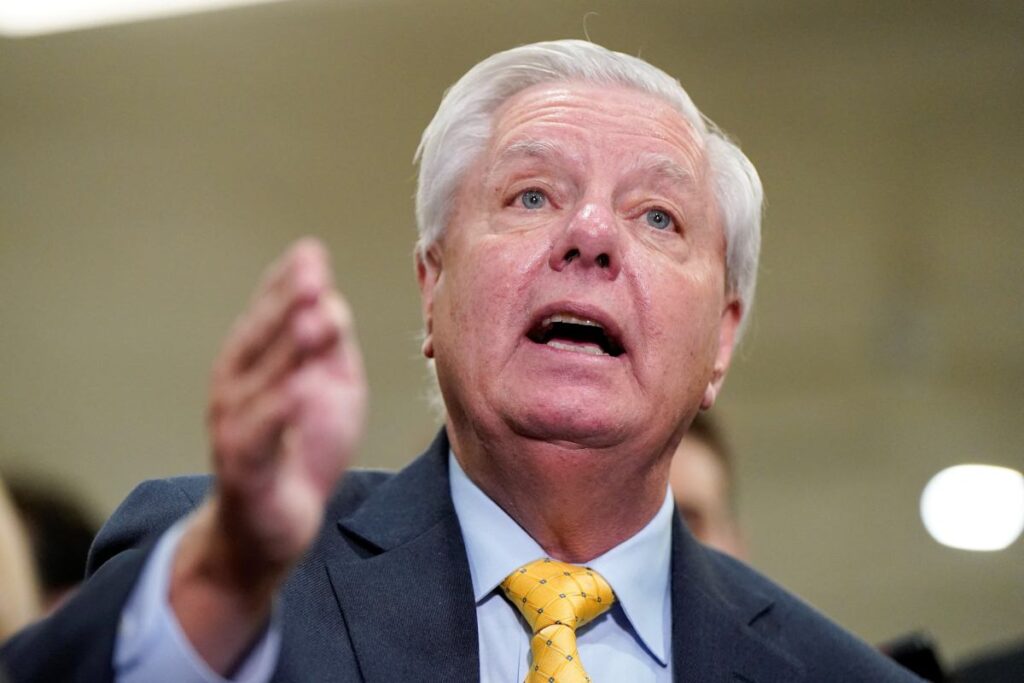
On Tuesday, March 17th, Republican Senator Lindsey Graham shared on social media that he spoke with Donald Trump about the “reluctance of European allies” to provide support in the Strait of Hormuz, noting that its unblocking would benefit Europe more than the United States.
“I have never heard him so angry. I share that anger, given what is at stake,” Graham wrote.
Criticism of European Allies’ Stance on Iran
Graham criticized the “arrogance” of allies suggesting that a nuclear-armed Iran does not pose a serious threat and that military action to prevent Iran from obtaining a bomb is solely America’s problem. He described the European approach to curbing Iran’s nuclear ambitions as a “disastrous failure.”
He warned that the consequences of providing “little help in keeping the Strait of Hormuz functioning” would be “broad and deep for Europe and America.” While identifying as “very pro-alliance,” he expressed doubts about the value of these alliances during “real trials.”
Graham’s Long-Standing Push for Action Against Iran
Politico reports that Lindsey Graham has long advocated for military action against Iran, repeatedly urging Donald Trump to take such steps. He began attempting to persuade Trump on a golf course following the 2024 elections.
Graham reportedly used these informal meetings to portray Iran as a major obstacle to Middle East stability, stating, “I told him before he took office… if we can topple this terrorist regime, it will be like the Berlin Wall coming down.” He has regularly discussed Iran with Trump since then.
Appealing to Trump’s Ambition and Desire for Recognition
Graham reportedly appealed to Trump’s ambition, encouraging him to take risks and pursue spectacular actions. He even told Trump, according to Politico, “Mr. President, you want to be part of this. You want them to know that America will fight.” Knowing Trump closely follows the media, Graham frequently appeared on television praising him as “Reagan Plus.”
Trump reportedly encouraged Graham to continue these appearances, stating he enjoyed them.