


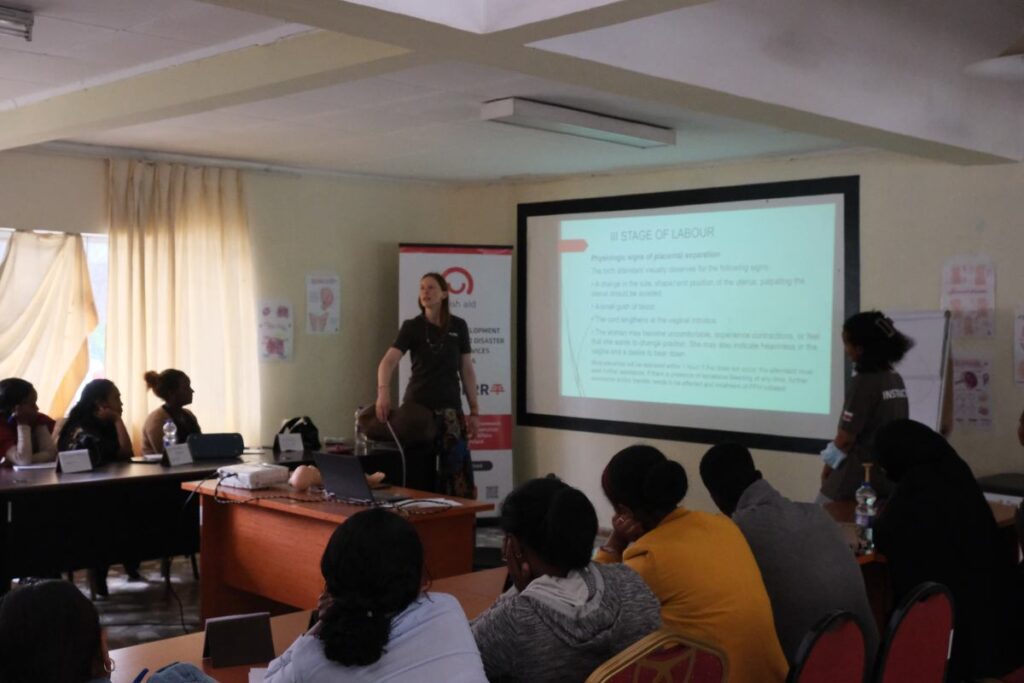
Polish-trained ambulance crews in Addis Ababa rush to deliver mothers, revealing that most Ethiopian women still give birth at home and lack timely access to hospitals.
Motivation Behind Training
Agata Tylkowska, a midwife and PCPM instructor, says she is driven by the belief that the knowledge she shares can save lives. Even basic information, she argues, can make a difference in critical moments.
Why Births Trigger Ambulance Calls
In Addis Ababa, ambulance drivers are most often called for complications during childbirth. Hospitals are theoretically free, yet expectant mothers frequently must purchase pads, food, and pain medication, and many do not reach the hospital until complications arise.
Hospital Reality and Statistics
About one‑third of Ethiopian women still give birth at home; the rest go to public hospitals in Addis Ababa when they are already in distress. Neonatal mortality remains above 30 per 1,000 births, and maternal deaths reach 400 per 100,000 births—ten times higher than in the EU.
Polish PCPM Initiative
Since 2012, the Polish Centre for International Cooperation has supported emergency services in Ethiopia, training 55 ambulance drivers and over 120 medical staff and equipping around 40 ambulances. The program addresses gaps in knowledge, equipment, and trained personnel.
Training and Equipment Gaps
Participants build on their practical experience, but many have less than five years of work and have never attended a birth. Training includes simulations with mannequins and covers peripartum care, patient transport, and cardiopulmonary resuscitation. Equipment shortages—such as sterile dressings and neonatal resuscitation tools—remain a major challenge.
Extending Reach Beyond the Capital
PCPM also trains fire crews in Awase and supports veterinary services in the Omo River valley, underscoring a broader goal of strengthening local institutions for safety and peace.