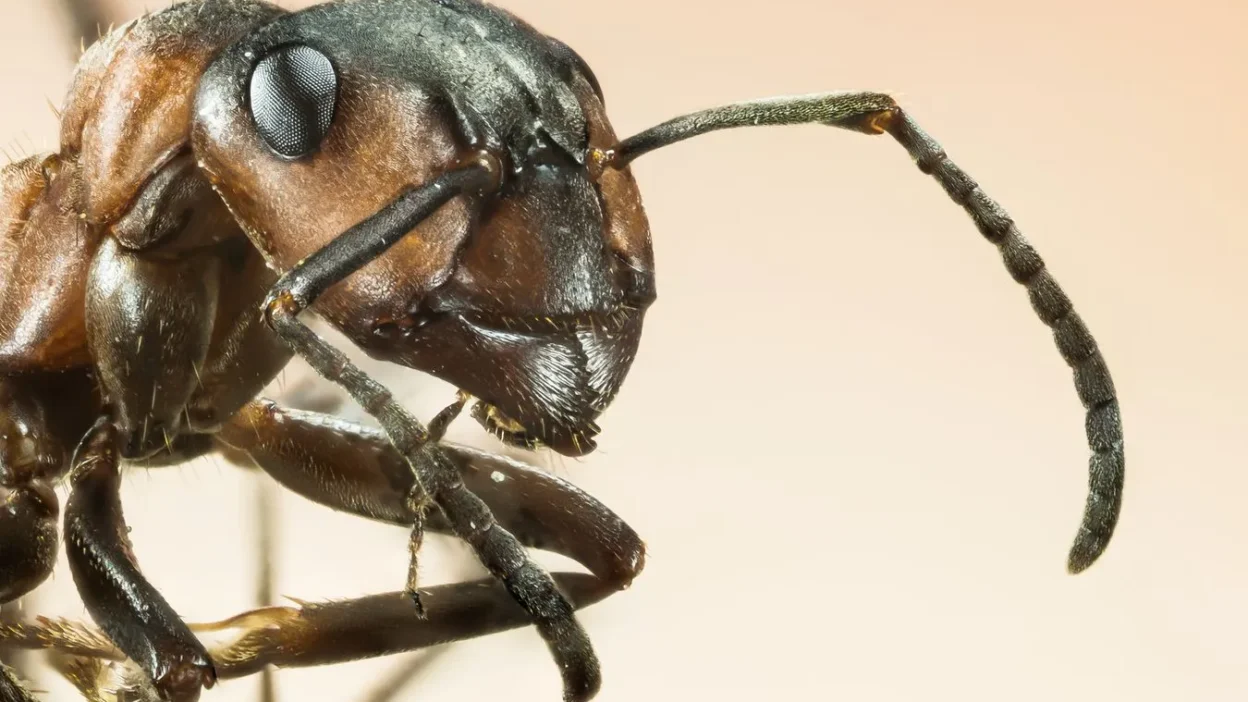
Kenya has become a hub for illegal ant trafficking, with queen African weaver ants fetching up to $220 each on the black market.
Ants Easily Smuggled
Smugglers exploit the difficulty of detecting organic material with airport scanners, shipping ants in simple vials filled with damp cotton.
Lucrative Trade Exploits Security Lapses
Kenya is becoming the center of a new, lucrative trade that has surprised customs officials and scientists. A single queen of the African weaver ant can cost up to $220 on the black market, becoming a commodity as desirable as ivory.
While the world fights against the poaching of large animals, smugglers have found an almost undetectable niche, sending thousands of insects in postal packages to private collectors around the world.
Demand Driven by European and Asian Hobbyists
Illegal trade in queen ants of the species Messor cephalotes is flourishing in Kenya, with prices soaring due to the fashion for home ant farms in Europe and Asia. These insects are valued for their unique social behaviors, impressive size, and gentle nature, making them a “dream species” for hobbyists.
The scale of the trade is enormous – during one operation in Naivasha, authorities seized 5,000 live queens prepared for illegal export, as reported by the BBC.
Serious Environmental Consequences Loom
Scientists warn that this trade is an ecological time bomb. Weaver ants are a key species for African ecosystems, responsible for seed dispersal and soil aeration, and their mass removal threatens the collapse of local colonies.
Furthermore, their escape in importing countries could lead to disaster in agriculture, particularly in grain-growing regions, where African ants could become a dangerous invasive species.
Lack of Regulation Fuels Illegal Market
Currently, ants are not covered by the international CITES treaty, making trade in them almost invisible to global regulators. Kenya is considering commercializing and regulating this market, aiming to turn ant farming into a legal source of income for local communities.
Introducing strict guidelines for sustainable insect harvesting could curb biopiracy and ensure the protection of Kenya’s biodiversity.
Arrests Highlight Growing Problem
Those involved in this trade are being prosecuted for biopiracy, but the profits tempt international criminal networks. The recent arrest of a Chinese citizen at Nairobi airport with a shipment of 2,000 insects demonstrates that, despite prison sentences and high fines, the illegal market continues to grow.